
All articles
-
Policy & Regulation
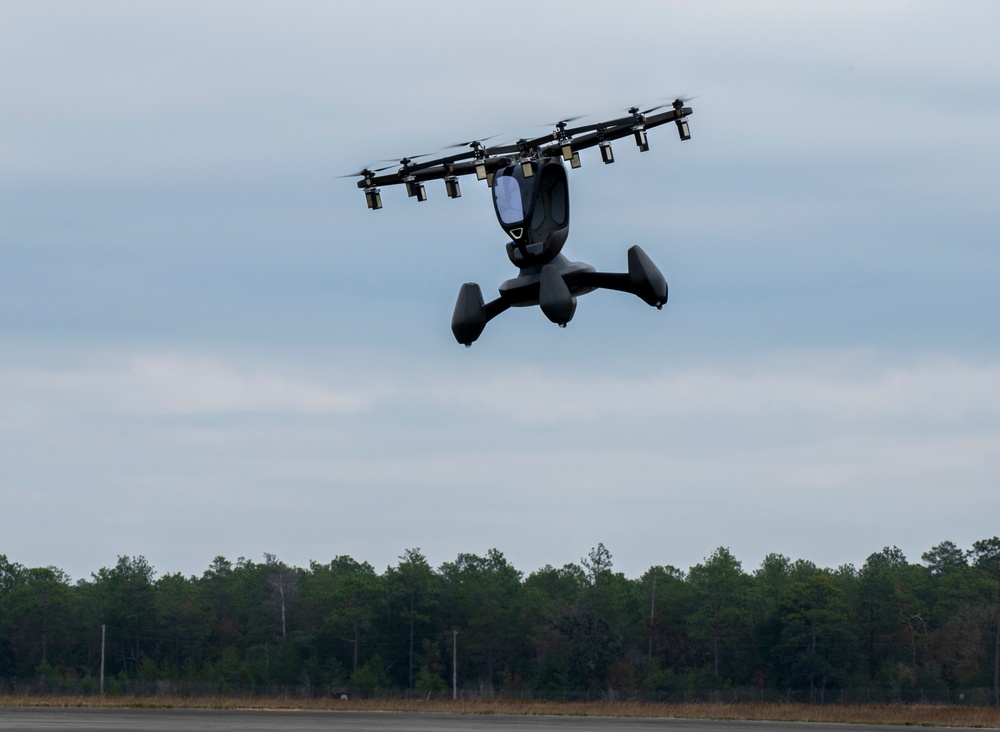
Florida's Vertiport Funding Law Takes Effect, Fueling State's Advanced Air Mobility Push
Florida's HB 1093 took effect July 1, 2026, letting FDOT fund up to 100% of vertiport projects and granting eVTOL tax breaks as the state races to become a leading U.S. test bed for air taxis.
-
Industry & Contracts
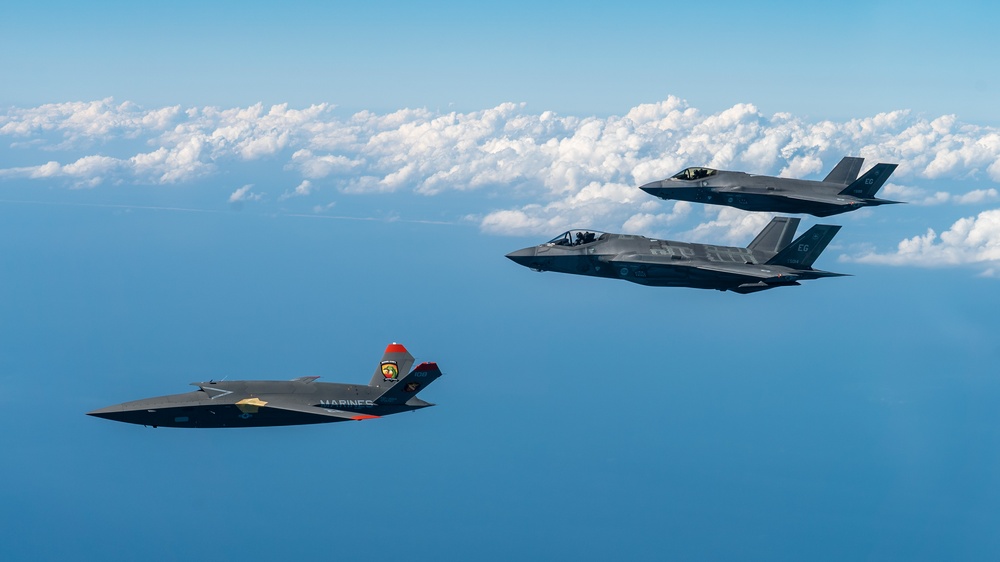
Kratos Adds 100,000+ Square Feet to Oklahoma City Plant to Scale Jet-Drone Output
Kratos is expanding its Oklahoma City campus by more than 100,000 square feet to push jet-drone output beyond 165 units a year, backing Valkyrie, Firejet and Taiwan's Mighty Hornet IV programs.
-
Defense & Combat
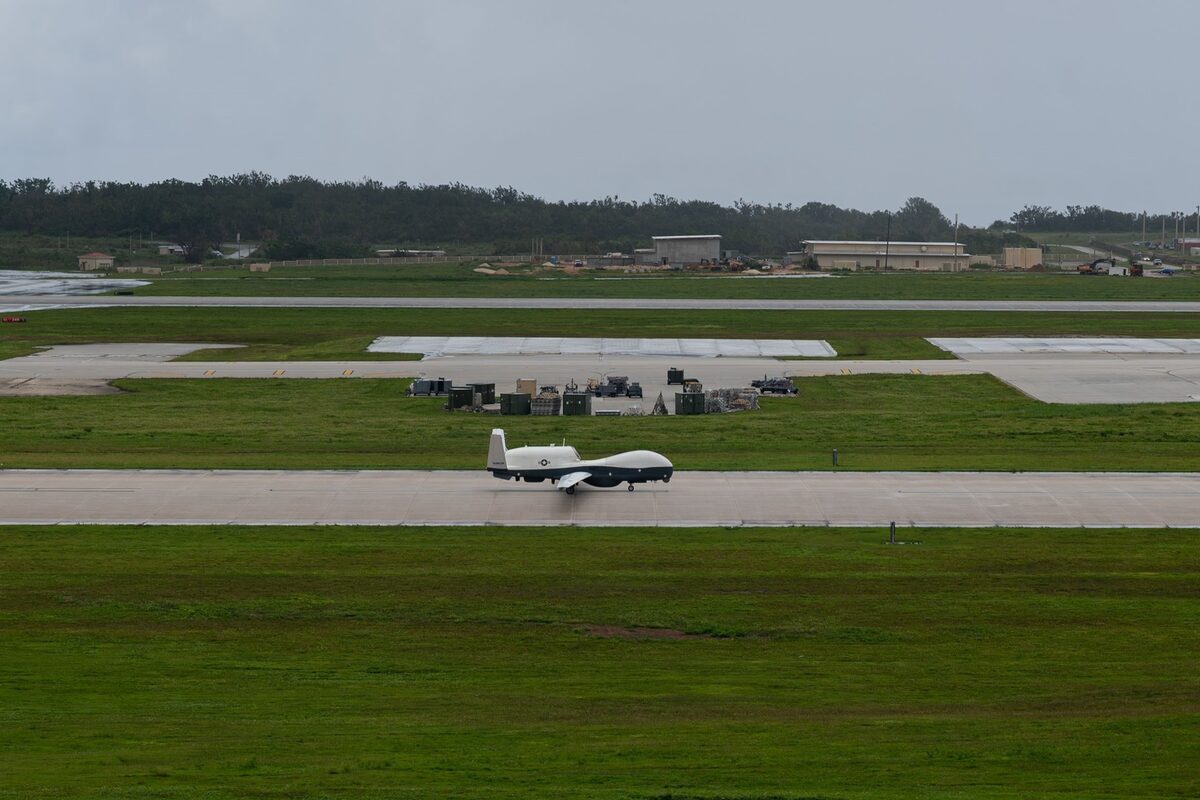
Denmark, Finland, Germany and Norway to Buy Up to Five MQ-4C Tritons for NATO's ISR Fleet
Four NATO allies announced in Ankara that they will procure up to five Northrop Grumman MQ-4C Triton drones, NATO's first Triton buy, to bolster alliance-owned maritime surveillance in the High North.
-
Tech & Builds
DARPA-Backed SYMPHONEE Program Aims to Turn Nuclear Waste Into Decades-Long Drone Power
A Morgan State-led team is building SYMPHONEE, a Strontium-90 radiovoltaic cell under a $3.37M DARPA contract, targeting over 10 W/kg and decades of unattended power for drones and remote systems.
-
Counter-UAS
TSA: Agencies Have Seized More Than 600 Rogue Drones Across World Cup Host Cities
TSA says federal and local agencies have confiscated over 600 illegal drones near FIFA World Cup 2026 stadiums since June 11 — double the total reported just two weeks earlier — with Kansas City, Seattle and San Francisco leading the tally.
-
Counter-UAS
DroneShield's Q3 Software Leap Lands as Pentagon Counter-Drone Spending Pipeline Swells
DroneShield sharpened its RF detection and tracking software on July 6 just as the Pentagon handed AeroVironment a potential $500 million counter-drone contract, underscoring a red-hot C-UAS market racing to outpace cheaper, faster drone threats.
-
Policy & Regulation
FAA's Critical-Infrastructure Drone-Restriction Rule Closes Its Public Comment Window
The FAA's first formal process letting critical-infrastructure operators petition for drone flight restrictions closed for public comment this week, setting up two new tiers of no-fly zones covering 16 sectors from energy to defense plants.
-
Commercial & Delivery
FAA's July 4th Security Lockdown Grounds a Drone Light Show, Exposing Airspace Risk for a Booming Industry
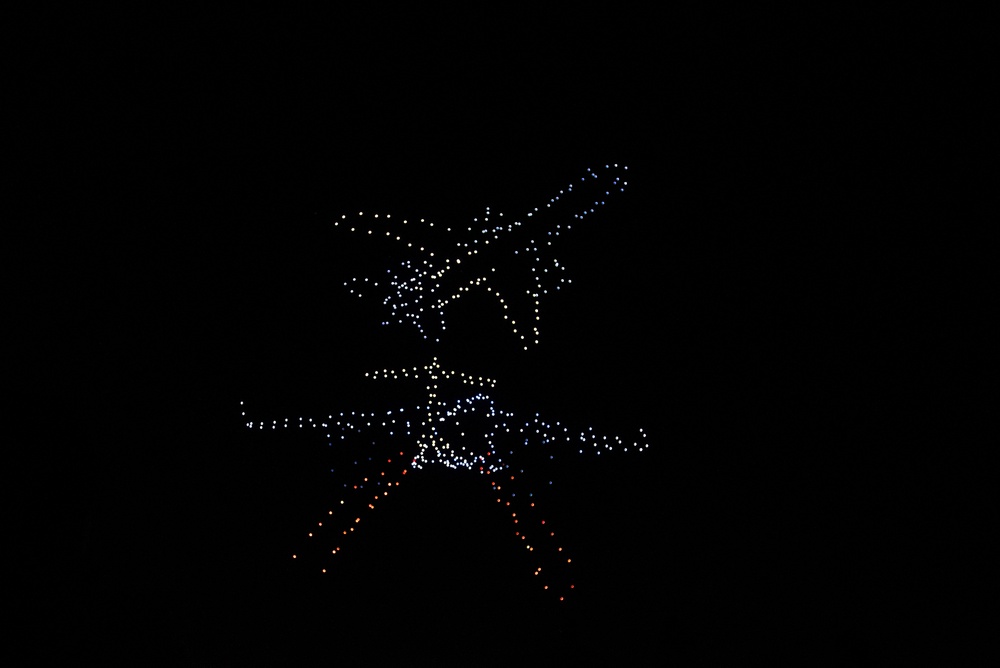
A 30-nautical-mile FAA no-drone zone tied to the Salute to America 250 security event grounded a Sky Elements drone show in Columbia, Maryland while the traditional fireworks display flew on unimpeded.
-
Industry & Contracts
Thales Moves to Swallow Exail in $4.5 Billion Bet on Autonomous Underwater Warfare
Thales signed a binding deal July 6 to buy the Gorge family's 35.5% stake in Exail Technologies at 134 euros a share — a $4.5 billion enterprise value bet on unmanned mine-hunting and undersea autonomy.
-
Defense & Combat
Ukraine's Long-Range Drone Campaign Escalates as Russia Retaliates on Kyiv
Ukraine hit Russian oil, naval and defense sites with two massive drone barrages in 48 hours; Russia answered with 351 drones and 68 missiles on Kyiv, killing at least 12 as Zelensky pressed NATO for more interceptors.
-
Commercial & Delivery
ANRA Technologies' Airspace Software Now Powers More Than 55,000 Commercial Drone Flights a Month
ANRA Technologies says its Mission Manager X UTM platform now supports over 55,000 commercial drone operations a month across eight states, a milestone underscoring how far BVLOS adoption has advanced ahead of the FAA's Part 108 rule.
-
Counter-UAS
Israel Validates Iron Dome-Iron Beam Integration Against Drone and Missile Saturation Attacks
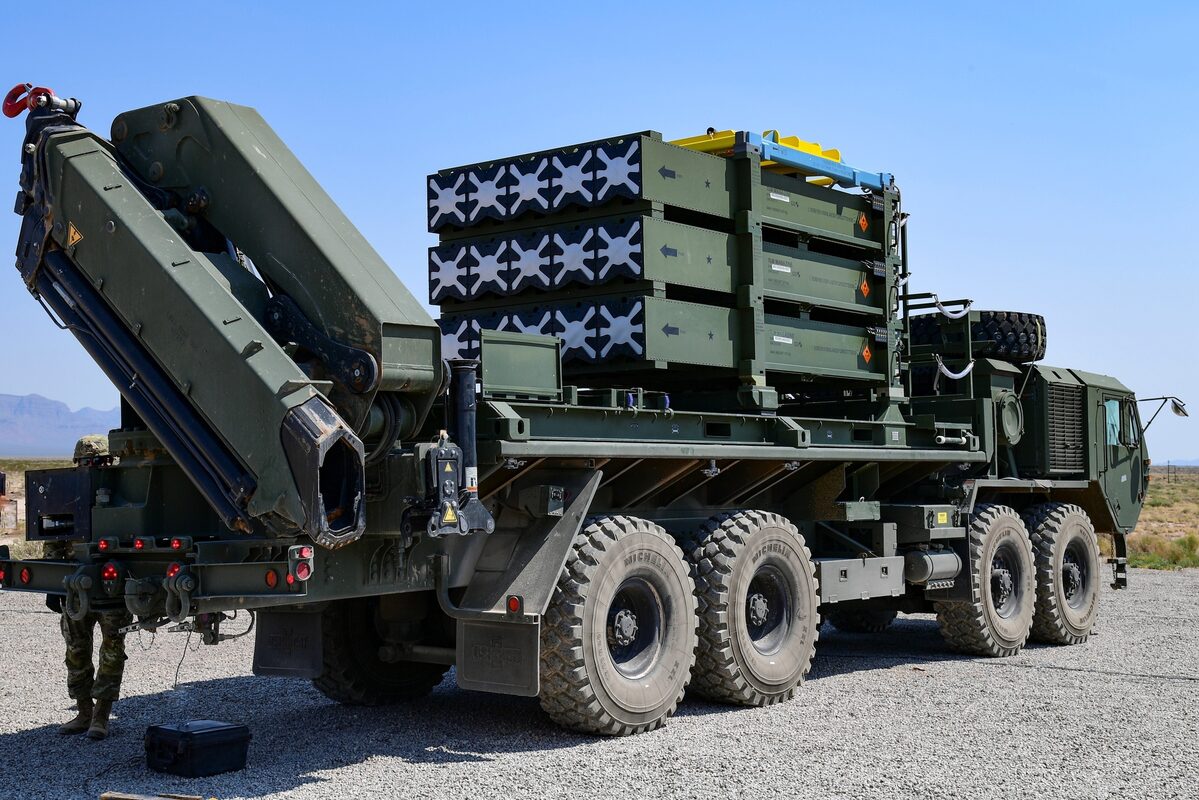
Israel's MoD says a new test campaign proves Iron Dome can now hand off threats to the Iron Beam laser mid-battle, letting commanders swap $50,000 missile interceptors for $3-5 laser shots against saturation drone and rocket attacks.




Page 29 of 51