
All articles
-
Defense & Combat
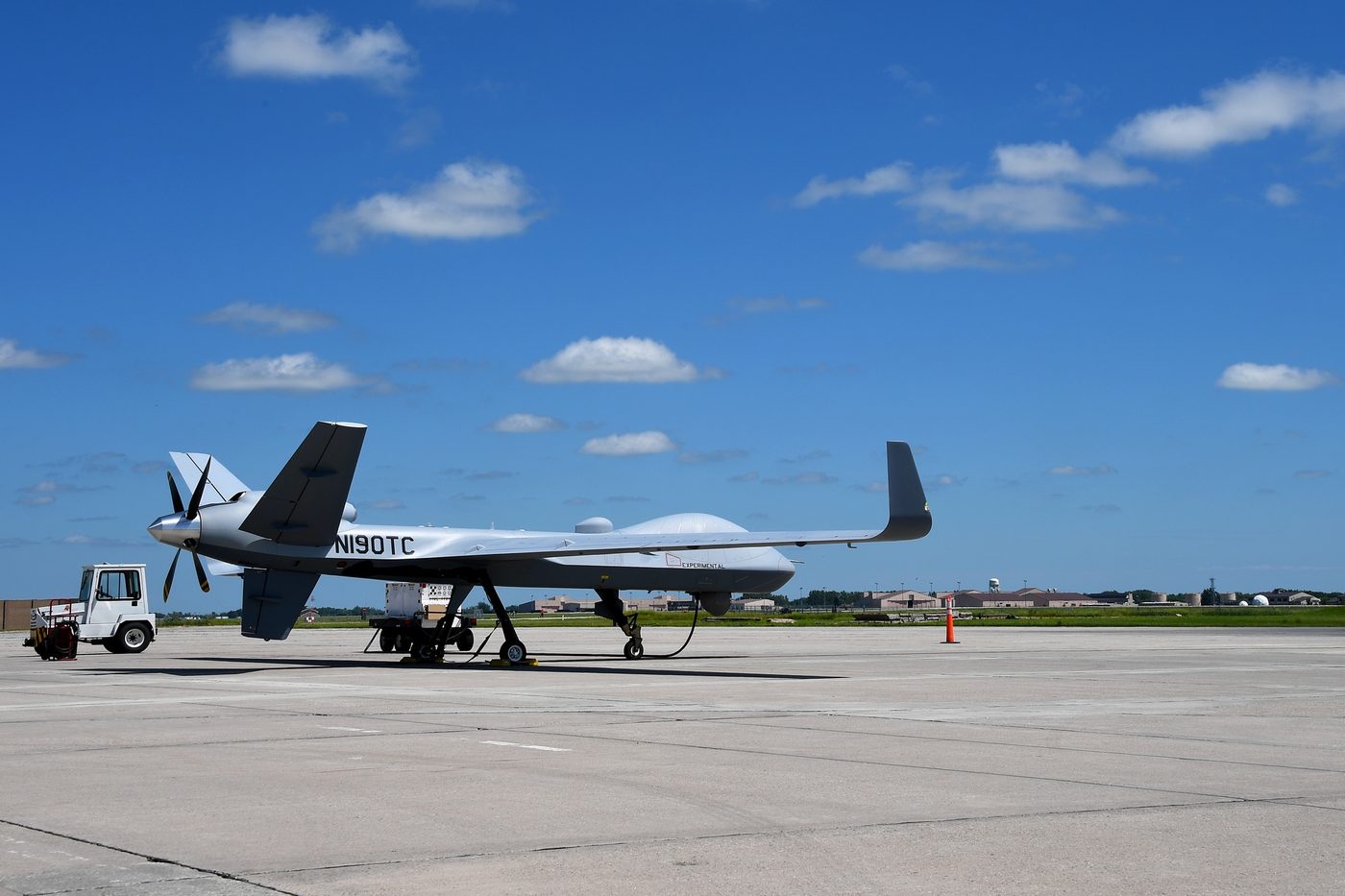
MALE and HALE UAV Deliveries in 2026: Who's Shipping What
A reference guide to medium- and high-altitude long-endurance drone deliveries in 2026: MQ-9B handovers across Europe and Asia, NATO's Triton letter of intent, Baykar's Akinci production surge, China's Wing Loong assembly lines, Israel's Heron Mk II squadron, and the Eurodrone that still isn't shipping.
-
Counter-UAS
Counter-UAS Technology Compared: Kinetic, RF Jamming, High-Power Microwave, Laser, and Net Interceptors
A side-by-side comparison of the five ways drones are actually defeated today — kinetic interceptors, RF/GPS jamming, high-power microwave, directed-energy lasers, and net-capture systems — with range, cost per engagement, tradeoffs, and who's legally allowed to use each under SAFER SKIES.
-
Policy & Regulation
DHS and DOJ Issue Interim Final Rule Letting State and Local Police Detect, Track and Take Down Drones
A new joint DHS/DOJ interim final rule, effective July 1, 2026, hands state, local, Tribal and territorial police and correctional agencies detection and — for the first time — drone mitigation authority, with public comment open through September 4.
-
Counter-UAS
Echodyne Opens $40M Washington Plant to Push MESA Counter-Drone Radar to 30,000 Units a Year
Kirkland-based Echodyne opened a $40 million, 86,350-sq-ft radar factory in Woodinville, Washington on July 9, targeting 30,000+ MESA counter-UAS radars a year as Ukraine-driven demand outpaces supply.
-
Defense & Combat
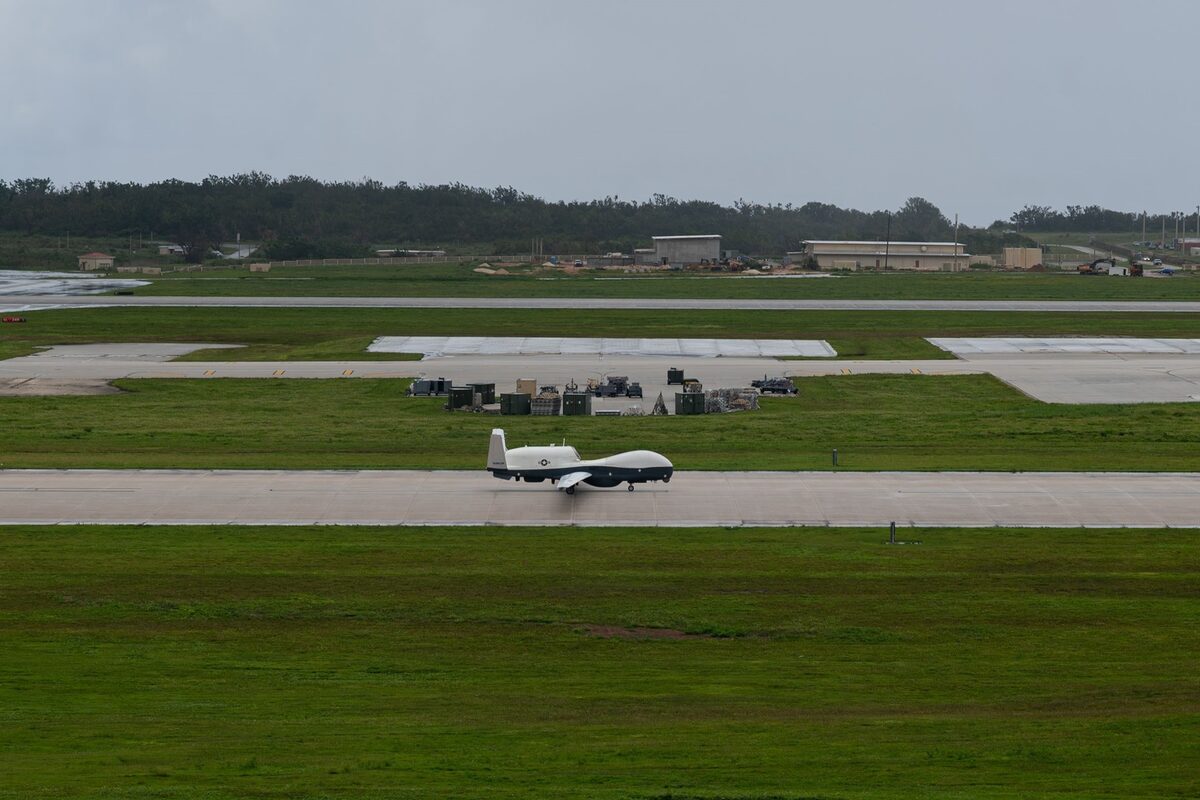
NATO Allies Sign Letter of Intent for Up to Five MQ-4C Triton Drones to Watch the High North
Denmark, Finland, Germany, and Norway signed a letter of intent in Ankara to jointly buy up to five Northrop Grumman MQ-4C Triton drones, extending NATO's high-altitude maritime surveillance net over the Atlantic, Baltic, and Arctic approaches.
-
Industry & Contracts
Ondas Buys Military Drone Maker DZYNE Technologies for $875.8 Million, Forms Ondas Sentinel Defense Division
Nasdaq-listed Ondas finalized an $875.8M cash-and-stock deal for DZYNE Technologies, creating the Ondas Sentinel autonomous defense division and pushing 2026 revenue guidance up to $525M.
-
Commercial & Delivery
Drone Delivery's Next Act: Wing and Zipline Chase Scale as Kroger Weighs Reviving Its Mothballed Program
A Reuters report details how Wing and Zipline push toward profitability with Walmart while Kroger, whose 2021 Ohio drone pilot died under pre-BVLOS rules, weighs a relaunch as PwC forecasts 65%-a-year U.S. market growth through 2034.
-
Tech & Builds
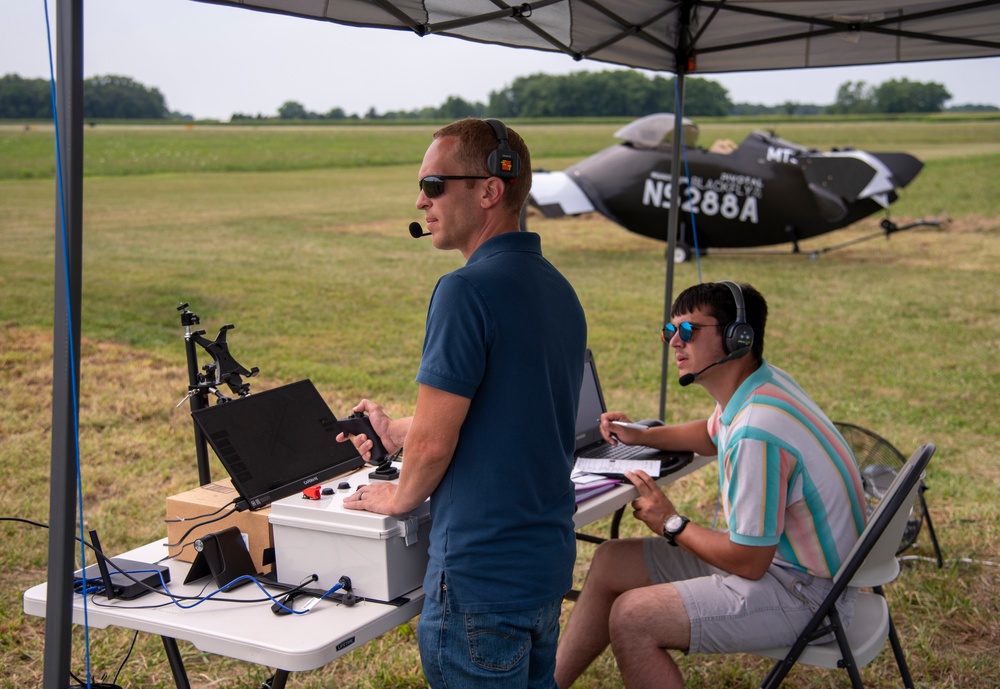
DARPA's Lift Challenge Adds 30+ Teams Ahead of August Vertical-Lift Flyoff in Dayton
DARPA has grown its Lift Challenge to 124 teams from 20+ countries, setting up a $6.5 million heavy vertical-lift flyoff at the National Museum of the U.S. Air Force in Dayton, August 2-9, with public finals August 6-9.
-
Defense & Combat
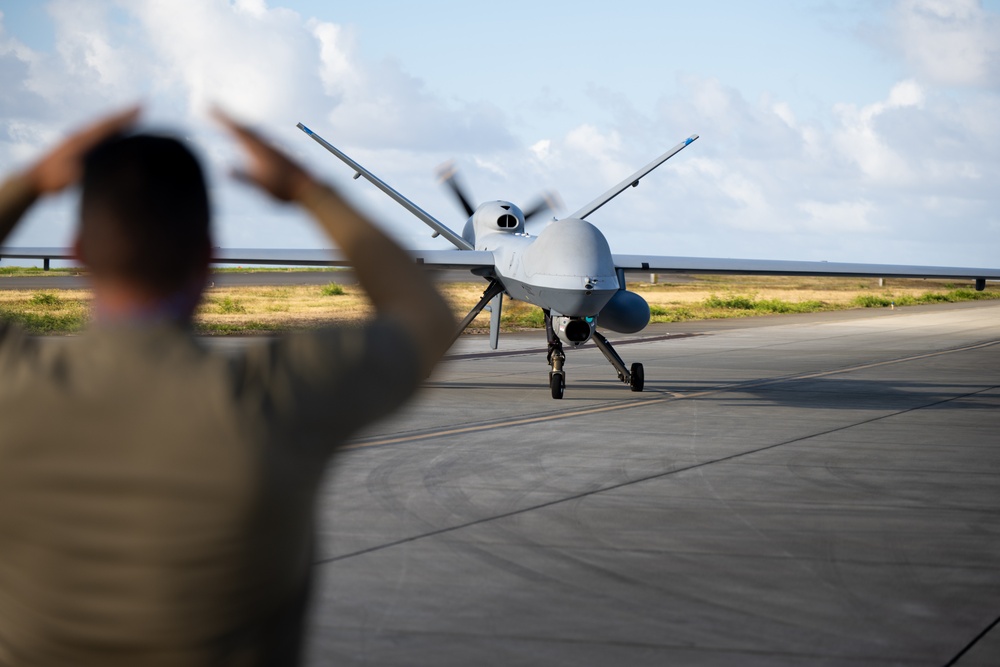
Pentagon's DIU Opens Hunt for Disposable Drone to Complement the MQ-9A Reaper
DIU's new Massed Modular Aircraft solicitation seeks a cheap, mass-producible drone that can fly 2,300 nm combat radius with a 2,800-lb payload to take over Reaper missions and absorb combat losses.
-
Counter-UAS
NATO Launches $40 Billion 'Drone Edge' Counter-UAS Initiative at Ankara Summit
NATO Secretary-General Mark Rutte unveiled a five-year, $40 billion Drone Edge initiative for uncrewed and counter-uncrewed systems, headlining more than EUR 50 billion in procurement deals announced at the Ankara summit.
-
Policy & Regulation
DHS, DOJ and FCC Finalize SAFER SKIES Act Rules Giving Local Police Counter-Drone Authority
A new Interim Final Rule, effective July 1 and published July 6, 2026, lets trained state, local, Tribal and territorial agencies detect, track, disable or seize drones — backed by FCC spectrum actions and a mandatory FBI training course at Redstone Arsenal.
-
Commercial & Delivery
Wing and Walmart Expand Houston Drone Delivery to 13 Hubs, Reaching 1 Million Customers
Wing and Walmart activated drone delivery at eight more Houston-area Supercenters on July 8, bringing the metro to 13 nests and over 1 million eligible customers under Wing's FAA Part 135 authority.




Page 26 of 51