
All articles
-
Counter-UAS
Airbus Plots More Live Trials for 'Bird of Prey,' Its Catapult-Launched Answer to Kamikaze Drones
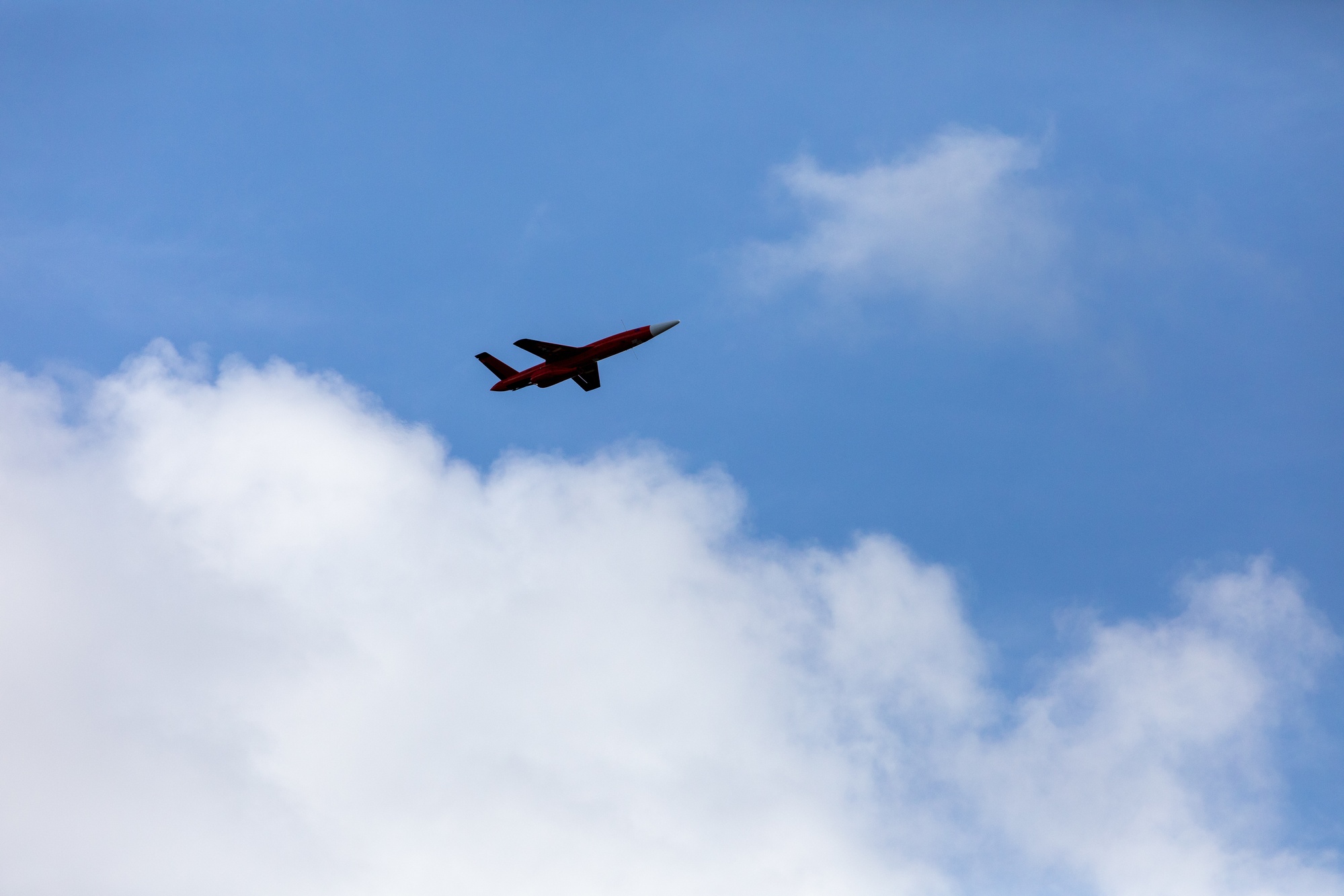
Following a successful spring intercept test in Germany, Airbus is lining up further 2026 live trials for Bird of Prey, a reusable, catapult-launched interceptor drone designed to hunt down one-way attack drones like Russia's Geran.
-
Commercial & Delivery
Amazon's Prime Air Drones Start Flying Over Baton Rouge, Louisiana's First City With the Service
Amazon's Prime Air drone delivery went live in Baton Rouge on July 4-5, 2026, making it Louisiana's first city with the FAA-regulated Part 135 service and extending the MK30 network from a new facility near the former Cortana Mall.
-
Industry & Contracts
Cathie Wood's Ark Invest Piles Into Kratos Defense as Drone and Anti-Drone Budget Bets Pay Off
Ark Invest bought roughly $9.1 million of Kratos Defense stock in early July 2026, betting on a drone maker whose unmanned systems revenue is growing over 30% amid a proposed $70 billion Pentagon drone budget.
-
Defense & Combat
Navy Teases Next Phase of MUSV 'Marketplace' as Aug. 1 RFP Looms
The Navy will open a new round of its Medium Unmanned Surface Vessel marketplace on Aug. 1, seeking high-capacity logistics drone boats as it races to grow the fleet from 4 to 30 vessels by 2030.
-
Policy & Regulation
Eight Men Indicted in Foiled Plot to Fly Explosive Drones Into White House UFC Event
A federal grand jury in Ohio indicted eight men on terrorism and murder-conspiracy charges over an alleged plot to fly explosive-laden drones into the White House UFC Freedom 250 event and shoot fleeing spectators.
-
Policy & Regulation
Sudan's Drone War Enters Deadlier Phase as ACLED Records Record Strike Intensity Around El Obeid
ACLED logged 27 drone-strike events in June 2026 — the highest monthly total of Sudan's civil war — as RSF drones hit El Obeid's markets, schools, water systems and power grid, part of a toll the UN says has now killed over 1,000 civilians nationwide.
-
Counter-UAS
AeroVironment's Titan-MS Wins First $80.5M Task Order to Shield Barksdale AFB From Drone Incursions
The Army issued the first task order under AeroVironment's $500M Domestic Shield IDIQ on July 6, sending $80.5M worth of Titan-MS counter-drone sensors to Air Force Global Strike Command bases after Barksdale AFB's repeated 2026 incursions.
-
Industry & Contracts
Thales Beats Safran to Buy French Underwater-Drone Maker Exail in $4.5 Billion Deal
Thales agreed to buy a 35.5% stake in Exail Technologies at a €3.9 billion ($4.5B) enterprise value, edging out Safran and consolidating France's unmanned mine-warfare and seabed-security drone industry.
-
Tech & Builds
University of Houston's 'Safety Supervisor' Gives Drones a Provable Invisible Fence Against Crashes
A University of Houston team built a peer-reviewed, hardware-tested control module that continuously watches a quadrotor's tilt and position and auto-corrects it before wind gusts or errors push it past a crash boundary.
-
Defense & Combat
Ukraine's Drone Fleet Hits 36 Shadow-Fleet Tankers in Four Days, Squeezing Crimea and Russian Fuel Supplies
Ukraine's 414th Brigade under Robert 'Magyar' Brovdi struck 36 vessels — mostly Russian shadow-fleet tankers — in four days using Fire Point FP-1/FP-2 drones, choking Crimea's fuel lines as Washington quietly updates its own Russia sanctions licenses.
-
Commercial & Delivery
Cleveland Clinic Joins the Prescription-by-Drone Club This Summer
Cleveland Clinic will begin flying prescriptions to patients' homes via Zipline drones this summer, using a tethered delivery droid that lowers packages onto porches near its Beachwood campus in Ohio.
-
Tech & Builds
DJI's New Parachute Turns the Matrice 400 Into a Compliant Flyer Over Crowds
DJI's AP100 parachute lets the Matrice 400 legally fly over crowds under EASA and UK CAA rules, deploying in under 600ms while costing only 6 minutes of flight time.





Page 27 of 51