
All articles
-
Industry & Contracts
XTEND and JFB Construction Close In on $1.5B Merger to Form Nasdaq-Listed XTEND AI Robotics
SEC filings show Israeli drone-robotics firm XTEND and Nasdaq-listed JFB Construction advancing toward a $1.5B all-stock reverse merger that would list XTEND AI Robotics as XTND, as XTEND also closes its Atlas acquisition and lands a spot in a $1B Pentagon drone program.
-
Policy & Regulation
FCC Cracks Its Own Drone Ban Open Again: Two More Foreign UAS Win Conditional Approval to Keep Selling in the U.S.
The FCC has granted Conditional Approvals to two more foreign-produced drones — Exedy Globalparts' Ayre CX and Parallel Flight Technologies' Firefly — letting them sidestep the Covered List ban if they follow onshoring plans and keep passing government vetting.
-
Defense & Combat
India Quietly Doubles the Reach of Its Loitering-Munition Fleet With the 300 km Sureshastra Mk1
The Indian Air Force has bought a 300 km variant of Veda Aeronautics' jet-powered Sureshastra Mk1 loitering munition — double the original range — with a 500 km Mk2 in flight trials and a Shahed-class 1,500 km weapon in development.
-
Tech & Builds
ONR Bets on 'FEED at Speed': An AI-Accelerated Strategy Built to Push Unmanned Prototypes Past the Valley of Death
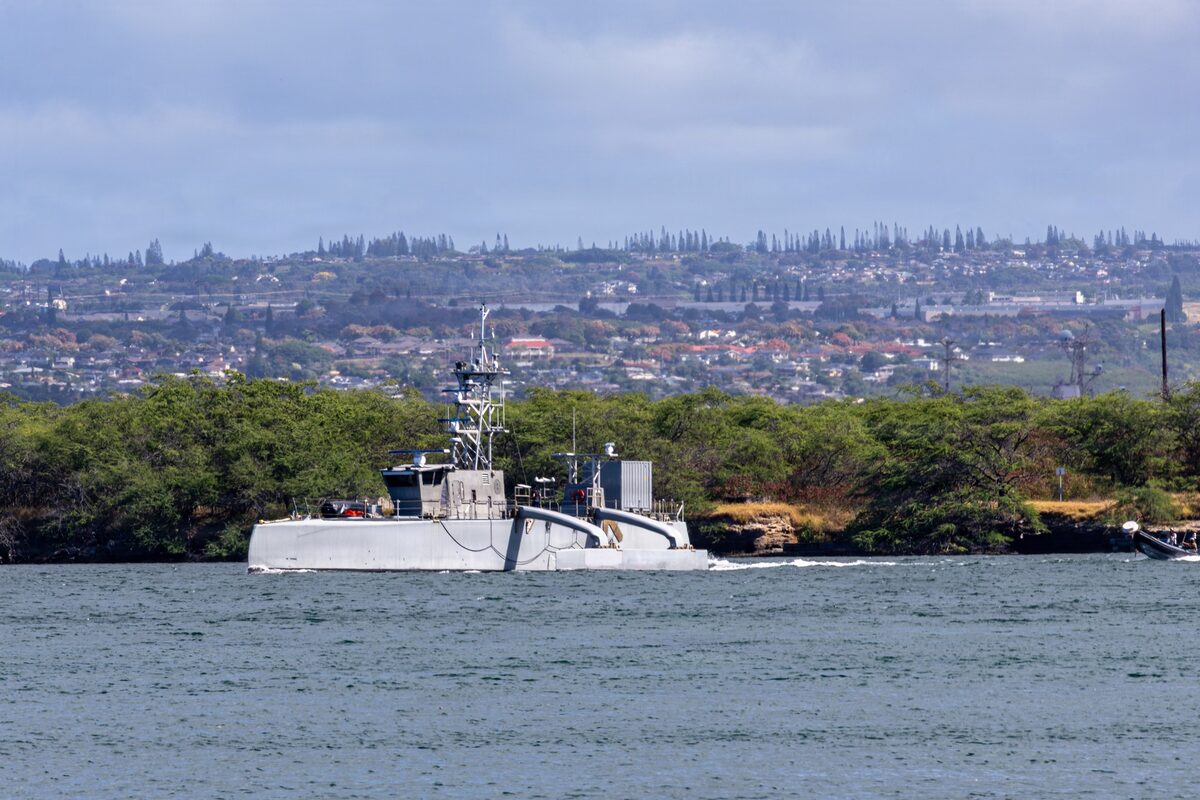
The Office of Naval Research's new 2026 S&T Strategy, 'FEED at Speed,' leans on AI to compress research timelines and targets the technology-transition 'Valley of Death' — with unmanned systems like the MDUSV Seahawk held up as the model capability.
-
Defense & Combat
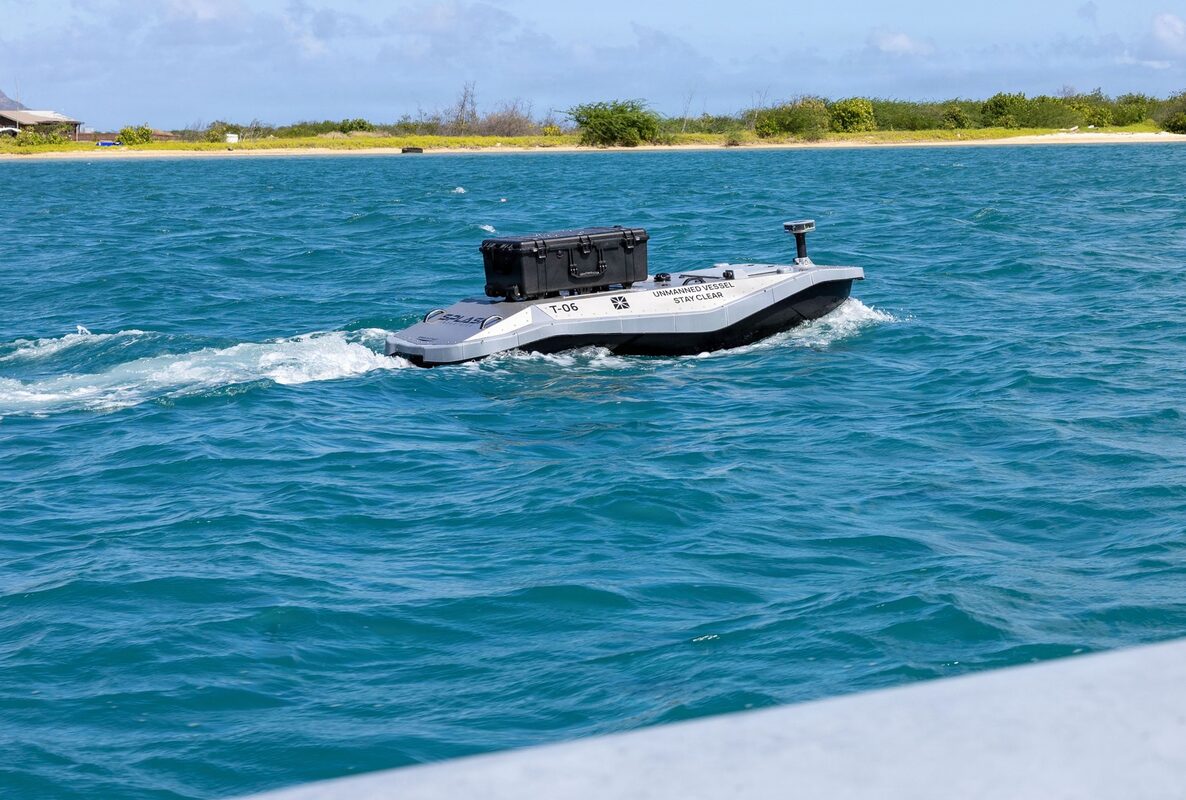
Kamikaze Sea Drones Help Sink Ex-USS Peleliu in a RIMPAC 2026 First
Two U.S. Navy one-way attack unmanned surface vessels detonated at the waterline of the decommissioned ex-USS Peleliu during RIMPAC 2026 off Hawaii — the first time kamikaze sea drones featured in a Pacific SINKEX.
-
Tech & Builds
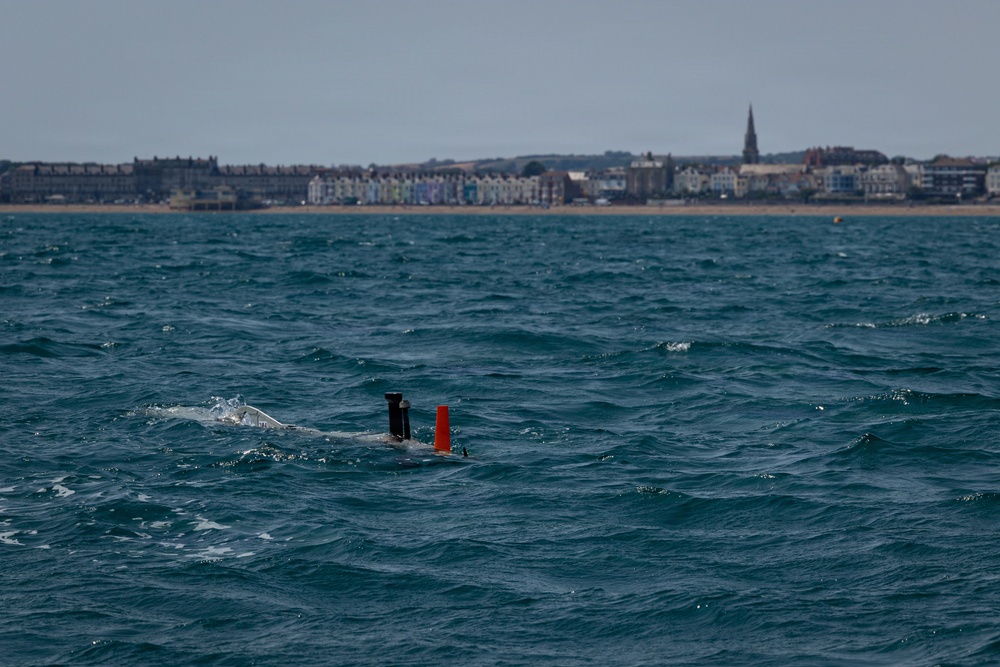
Robots Hunting Robots: Anduril and Ultra Maritime Demo Autonomous Counter-UUV Tracking at Navy's Lanternfish 2026
At the U.S. Navy's Lanternfish 2026 exercise, Ultra Maritime's Sea Spear sonar fed Anduril's Seabed Sentry and Lattice software to detect, track and classify enemy UUVs and alert operators with no human in the sensing loop.
-
Industry & Contracts
Farnborough 2026: Ukraine Reveals a Missile-Armed Liutyi, Turning Its Signature Strike Drone Into a Reusable Standoff Shooter
At Farnborough 2026, Ukraine's state defense industry unveiled a Liutyi variant carrying four wing-mounted missiles, each with a roughly 20 kg warhead — reframing a drone known for one-way refinery strikes as a reusable, multi-shot standoff weapon with a decoy mode.
-
Counter-UAS
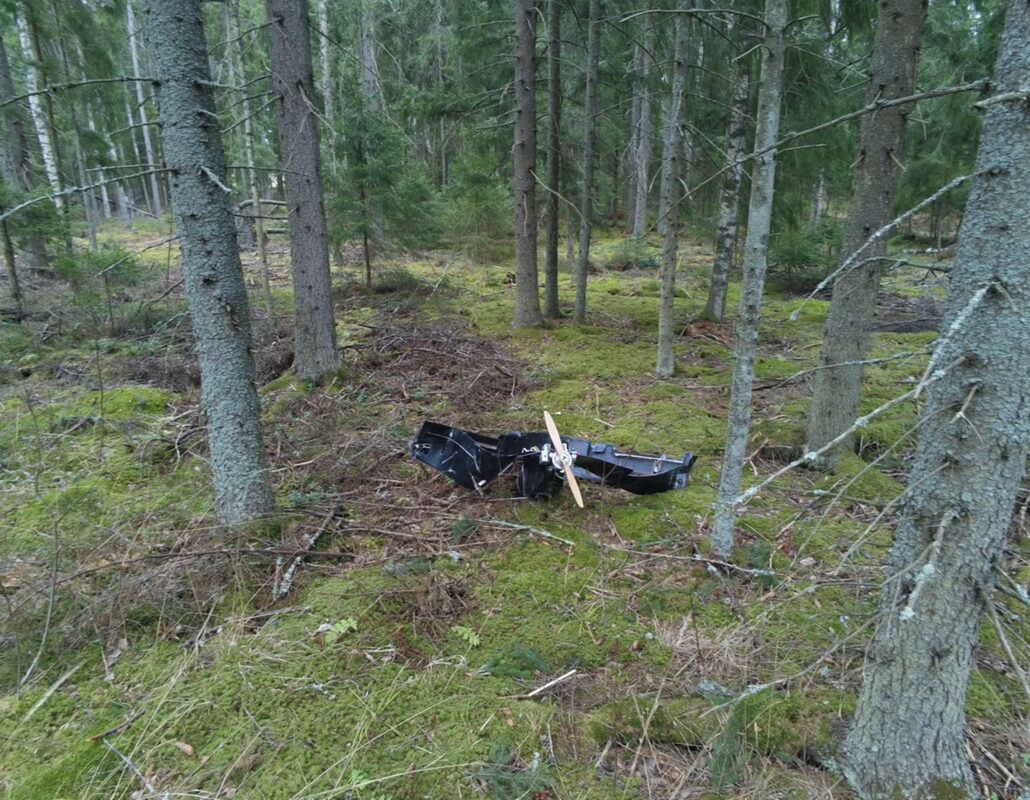
Romania Downs Three Drones in Three Days, Its First Shootdowns Since 2022
Over July 24-26, 2026, Romania destroyed three drones that breached its airspace on consecutive days - its first successful intercepts since Russia's 2022 invasion, enabled by a 2025 law authorizing engagement of trespassing UAS.
-
Counter-UAS
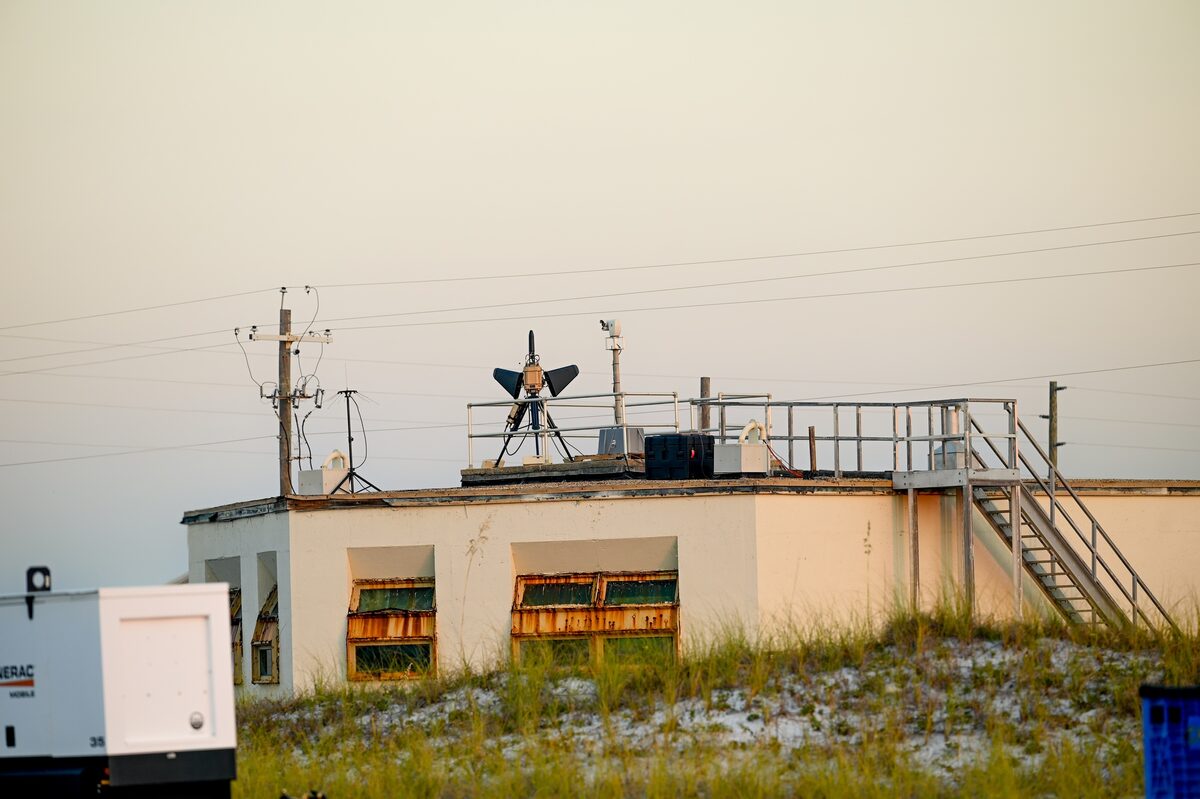
MARSS, Now Inside EOS, Says Its Interceptor MR Has Been Downing Shaheds in the Middle East
At Farnborough, MARSS — acquired by Australia's Electro Optic Systems in June — said its NiDAR C2 software and Interceptor MR effector have engaged 'mostly Shahed' Iranian attack drones in the Middle East, capping a rapid EOS counter-drone build-out.
-
Defense & Combat
MBDA's SPEAR Mini Cruise Missile Is Headed for the MQ-9B Protector and Gambit CCA
MBDA confirmed at Farnborough 2026 that its 100km-range SPEAR mini cruise missile enters low-rate production this year, and a 20 July MoU with General Atomics will integrate the networked weapon onto the MQ-9B Protector and Gambit 6 collaborative combat aircraft.
-
Industry & Contracts
Saronic and Samsung Heavy Industries Join Forces to Mass-Produce Autonomous Warships
Autonomy startup Saronic and Korean shipbuilding giant Samsung Heavy Industries have partnered to fuse USV autonomy with high-volume yard capacity, feeding Saronic's Port Alpha megashipyard in Texas and its Franklin, Louisiana yard.
-
Policy & Regulation
Britain Bets on Tekever's AR5 to Bury Watchkeeper in £400M CORVUS Drone Deal
The UK MoD has picked Tekever's combat-proven AR5 to replace the British Army's troubled Watchkeeper fleet under CORVUS, a programme worth up to £400M over ten years, with an initial six aircraft built at a new Swindon line.
Page 21 of 51