Department of Defense
Every UASFeed story on Department of Defense — across defense, counter-UAS, industry, commercial, policy, and tech, newest first.
-
Defense & Combat
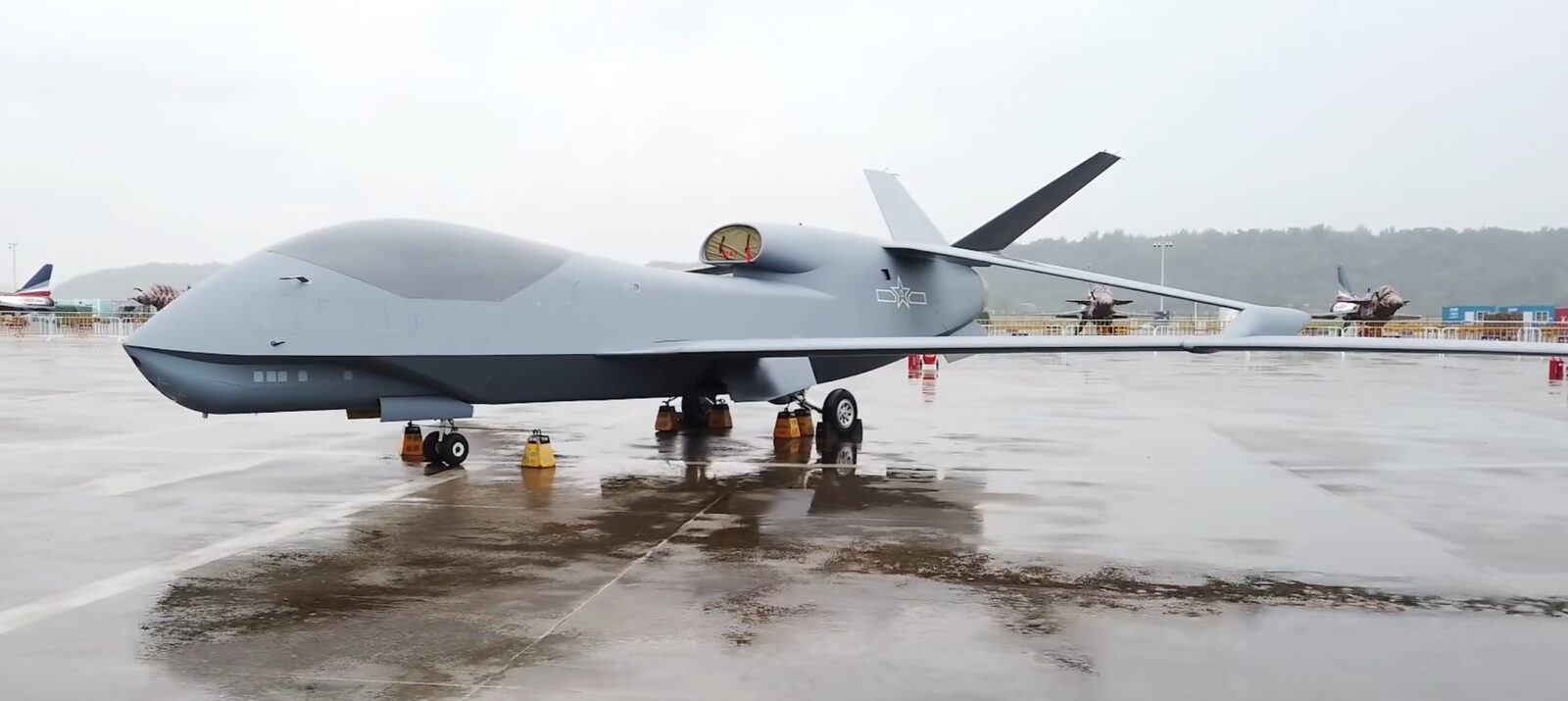
China’s WZ-7 Soaring Dragon: The HALE Drone Reshaping PLA Surveillance
China’s WZ-7 Xianglong is the PLA’s operational high-altitude ISR drone — a joined-wing platform purpose-built for Pacific and Indian Ocean surveillance. Documented sorties from Tibet to the Sea of Japan and a naval variant wired to feed anti-ship targeting data mark it as the backbone of China’s kill-chain architecture.
-
Defense & Combat
ScanEagle and RQ-21A Blackjack: Inside Insitu’s Runway-Free ISR Platform Family
From a commercial fish-finder drone to front-line ISR in Ukraine, the Insitu ScanEagle and RQ-21A Blackjack are defined by a single design constraint: no runway needed. Here is how the platforms work, where they’ve fought, and why the formula endures.
-
Defense & Combat
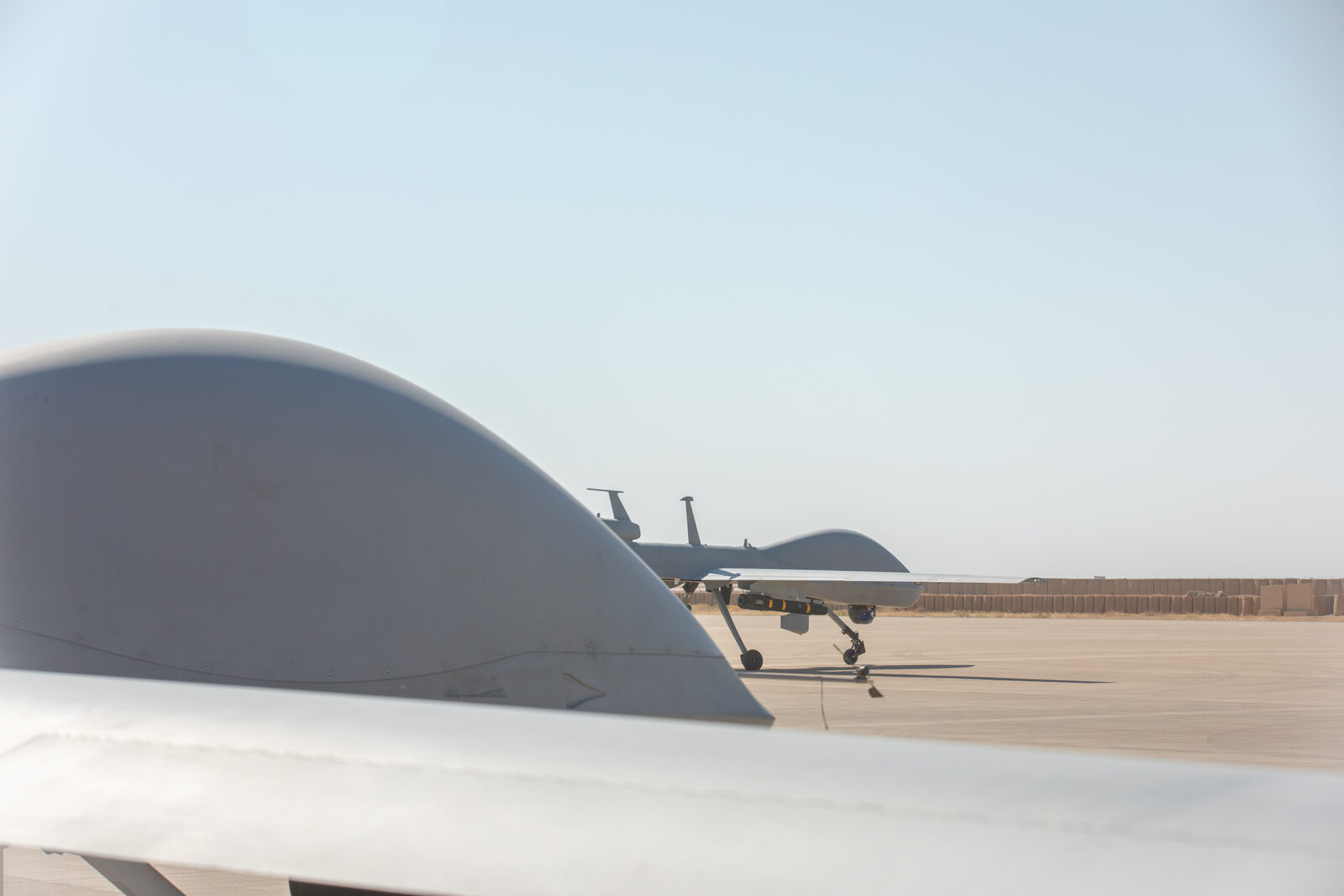
MQ-1C Gray Eagle: The Army's Only MALE Drone, Caught Between Congress and Obsolescence
The MQ-1C Gray Eagle is the U.S. Army's sole medium-altitude long-endurance drone — a Predator descendant rebuilt around Army logistics, manned-unmanned teaming, and ground-force integration. Now Congress and Army leadership are openly fighting over whether it has a future.
-
Tech & Builds
Who Pulls the Trigger? The AI Targeting and Autonomous Weapons Debate, Explained
From DoD Directive 3000.09's misunderstood three-tier framework to Ukraine's jamming-resistant FPV drones, this explainer maps the legal, ethical, and battlefield fault lines in the global debate over lethal autonomous weapons.
-
Tech & Builds
What 'Autonomous Drone' Actually Means: A Field Guide to the Spectrum
The word 'autonomous' covers everything from a DJI's return-to-home button to a 103-drone swarm with no designated leader. Five competing frameworks — NIST ALFUS, LORA, SAE-adapted, DoD's loop taxonomy, and Exyn's aerial scale — each illuminate something different about a genuinely hard engineering problem.
-
Tech & Builds
eVTOL, Drone, UAV, UAS, RPAS: A Precise Guide to Six Terms That Aren't Interchangeable
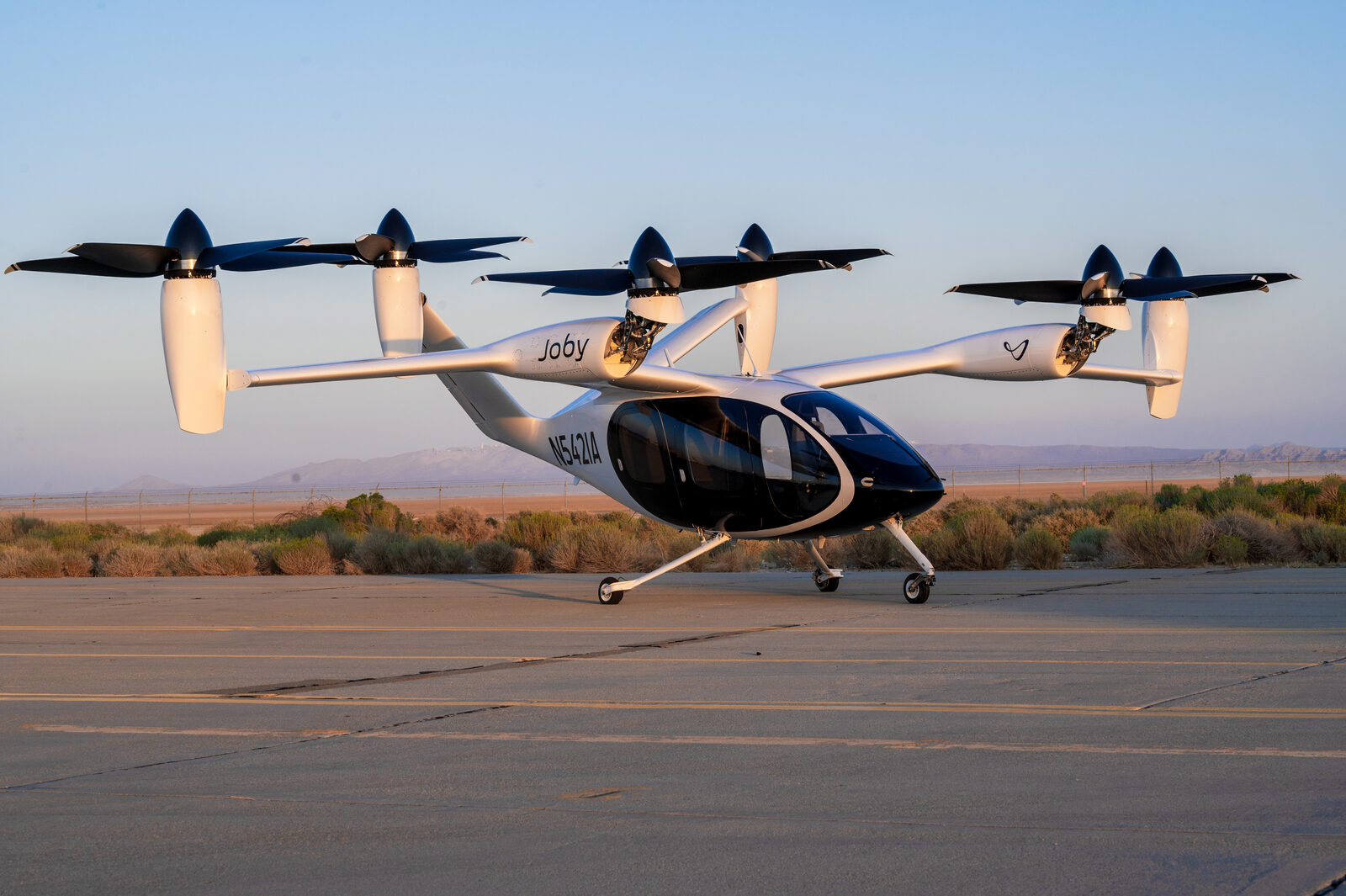
Six overlapping terms describe aircraft that fly without an on-board human — or sometimes with one. Which label applies determines which regulations govern you, how DoD classifies a platform, and whether a Joby air taxi is legally a drone at all.
-
Tech & Builds
Anduril’s Lattice: The Software Stack Rewriting How the Pentagon Fights
Lattice is Anduril’s AI command-and-control platform fusing sensors, drones, and effectors into a unified operational picture. With over $25 billion in known contract ceilings and a $20B Army enterprise agreement, it’s becoming the connective tissue of U.S. autonomous warfare.
-
Policy & Regulation
Who Can Legally Shoot Down a Drone in the US — and Why the Answer Is Complicated
Federal aircraft law, the Aircraft Sabotage Act, and overlapping wiretapping statutes mean that almost nobody — not state police, not sheriffs, not private citizens — had clear legal authority to neutralize a rogue drone until Congress began carving out narrow exceptions.
-
Counter-UAS
How Drone Detection Actually Works: Radar, RF, EO/IR, and the Fusion Stack
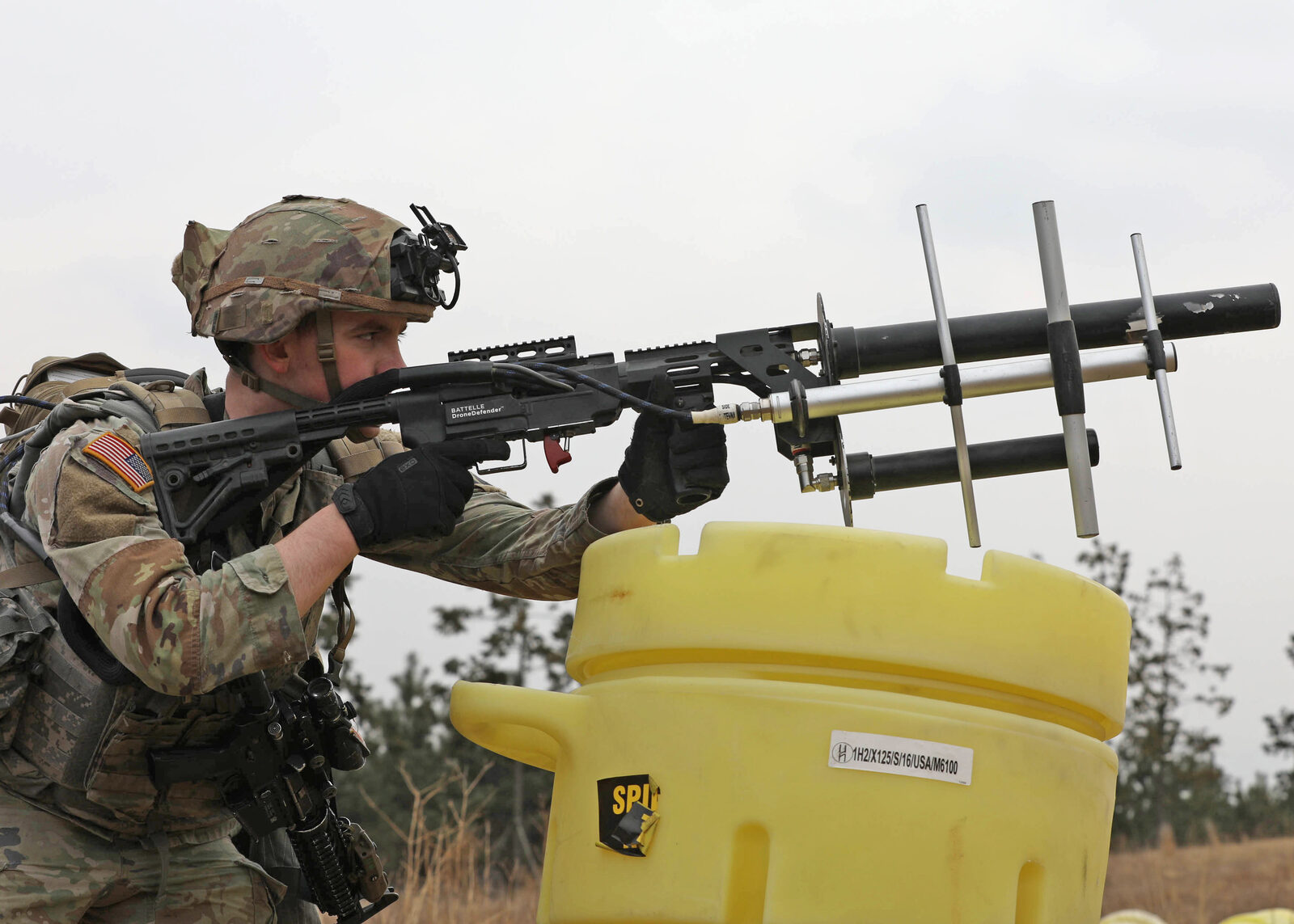
No single sensor can catch every drone. Here is how radar, RF analyzers, electro-optical/infrared cameras, and acoustic arrays each cover different gaps — and why military and federal planners are betting on layered fusion architectures to close them.
-
Counter-UAS
Golden Dome Explained: The $1.2 Trillion Bet on Space-Based Missile Defense
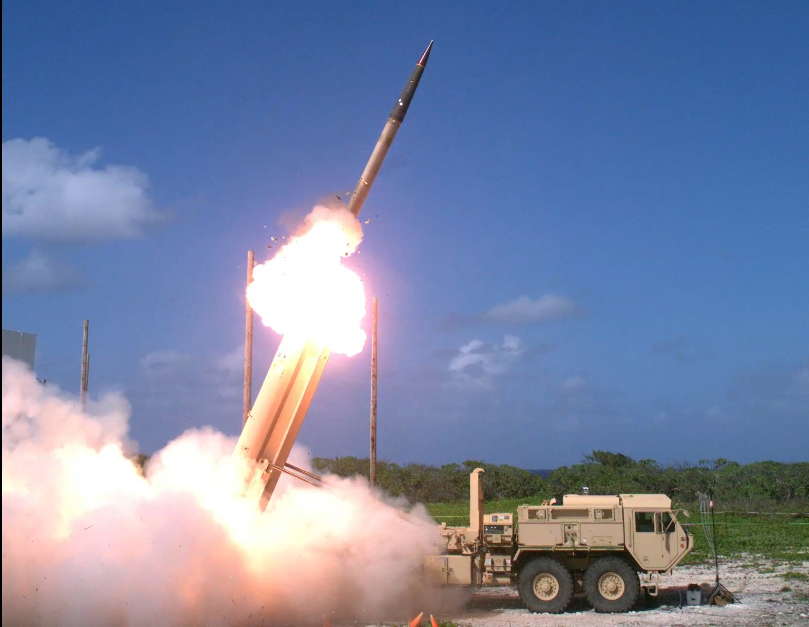
Trump's Golden Dome extends U.S. homeland missile defense from rogue-state ICBMs to cruise missiles and drones — but a CBO projection of $1.2 trillion over 20 years, driven by a 7,800-satellite constellation that can only engage 10 missiles at once, exposes a gap between strategic ambition and reality.
-
Counter-UAS
Shotgun vs. Sniper Rifle: How HPM and Laser C-UAS Weapons Actually Work
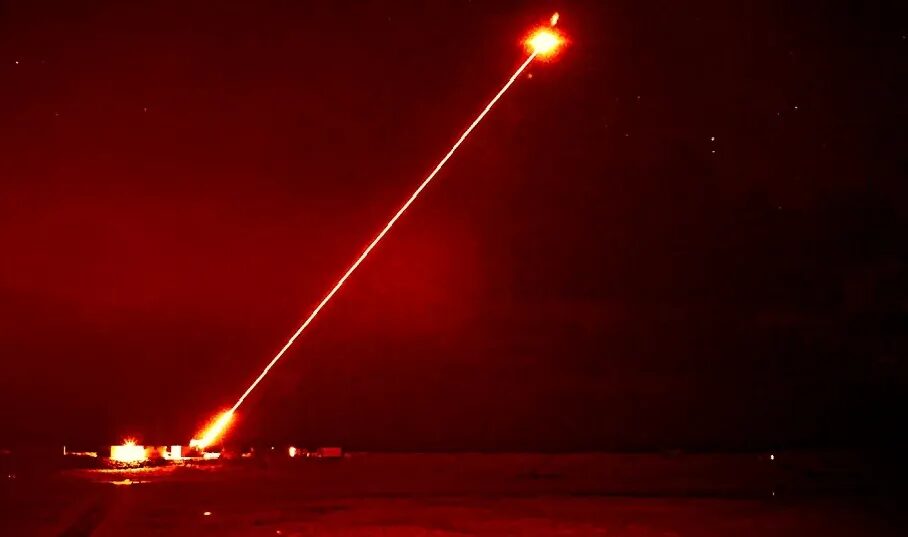
Two directed-energy technologies are competing to replace the $2-million missile shot against $500 drones — high-power microwave systems that blanket swarms in a single burst, and high-energy lasers that burn targets one at a time. The physics of each determines where they win and where they fail.
-
Policy & Regulation
The American Security Drone Act, Explained: What the Federal UAS Ban Actually Covers
The American Security Drone Act of 2023, enacted in the FY2024 NDAA, banned federal procurement and operation of Chinese-made drones — effective December 22, 2025 — extending to every contractor and grant recipient spending federal money, not just agencies.