Boeing
Every UASFeed story on Boeing — across defense, counter-UAS, industry, commercial, policy, and tech, newest first.
-
Defense & Combat
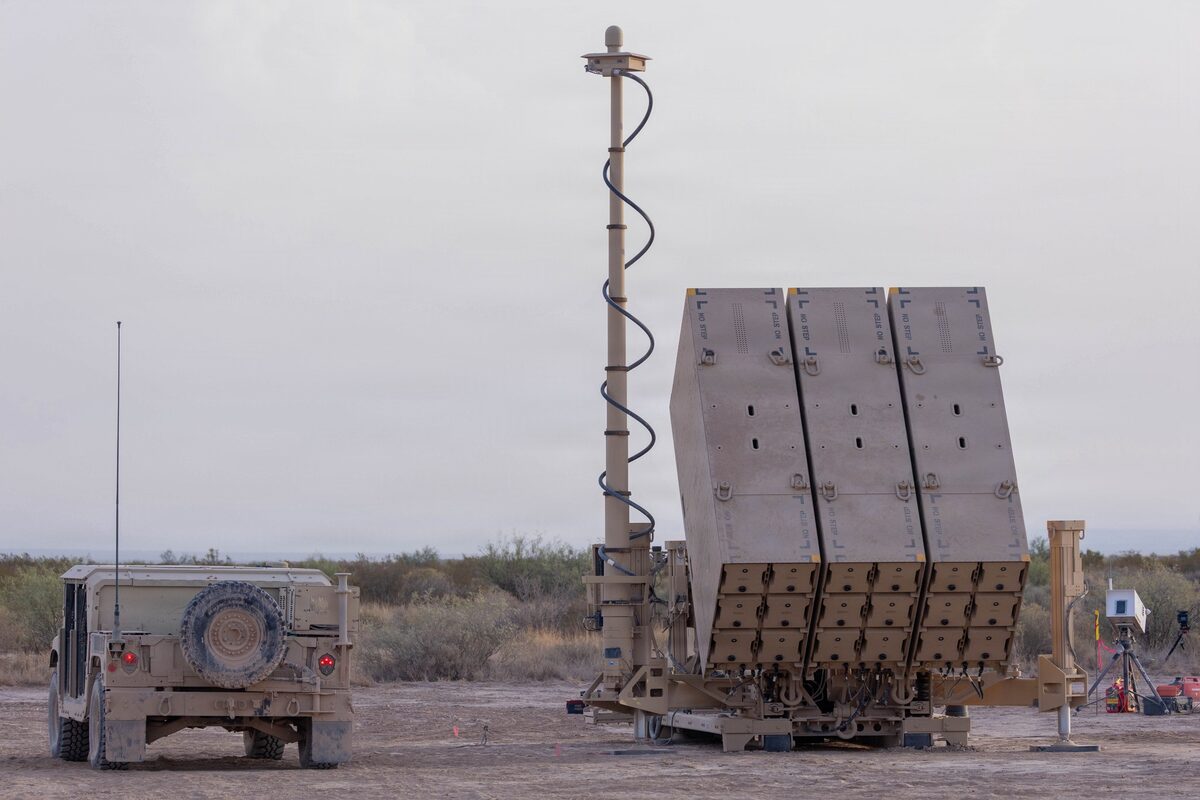
Army Cuts Rafael, Advances Lockheed and Boeing-Anduril to Next Phase of IFPC Increment 2 Interceptor Race
The Army has narrowed its IFPC Increment 2 interceptor competition to Lockheed Martin and a Boeing-Anduril team, dropping Rafael's US arm as the program moves toward a competitive demonstration to fill the air-defense gap below Patriot and THAAD.
-
Defense & Combat
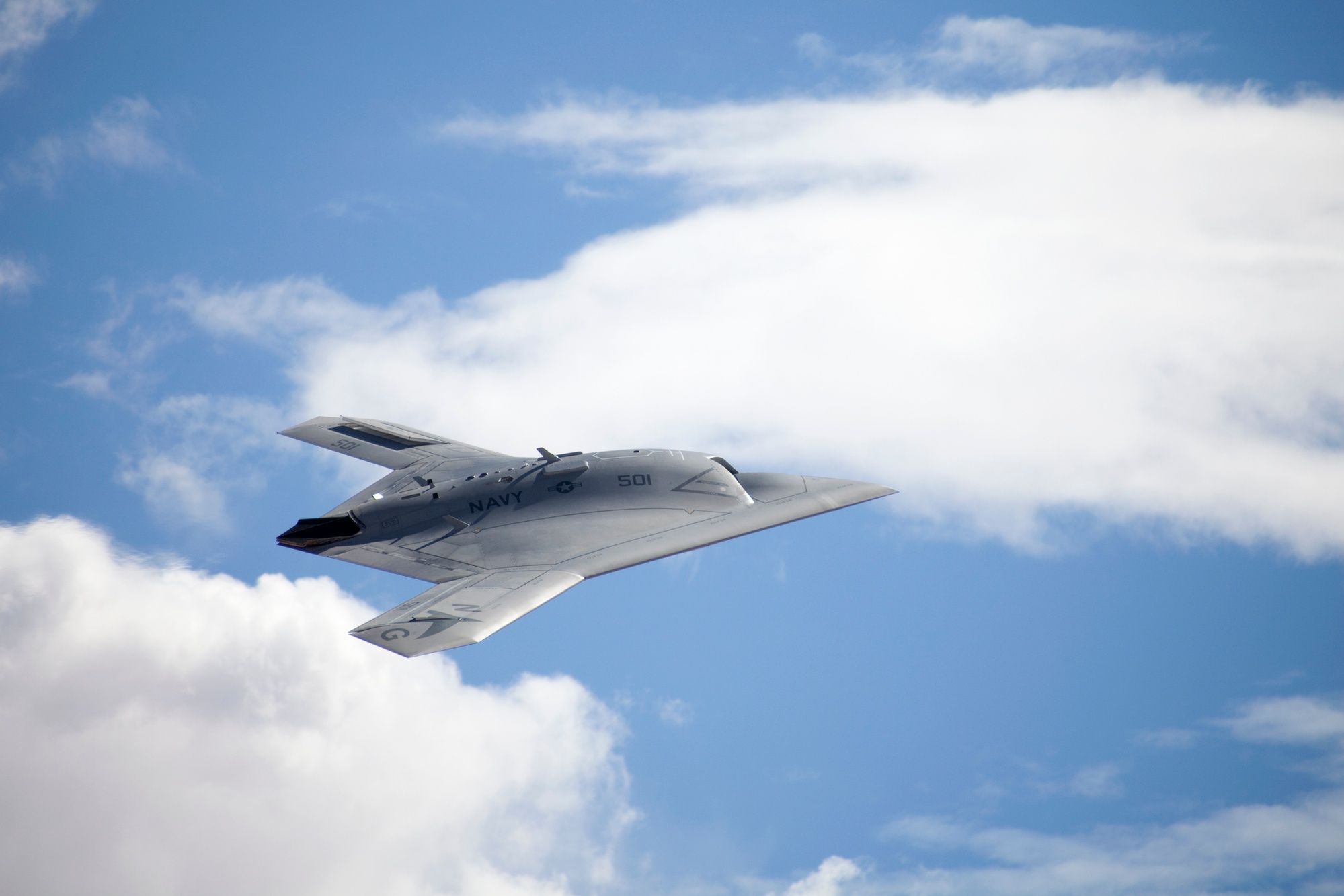
China's Tailless WZ-X Stealth Drone Surfaces in Flight Trials at Xinjiang's 'Area 51'
New flight-test images from Malan Air Base confirm China is flying a 52-meter tailless flying-wing UAV dubbed WZ-X, a design analysts say points toward an unmanned stealth ISR/bomber platform on the scale of the CH-7.
-
Defense & Combat
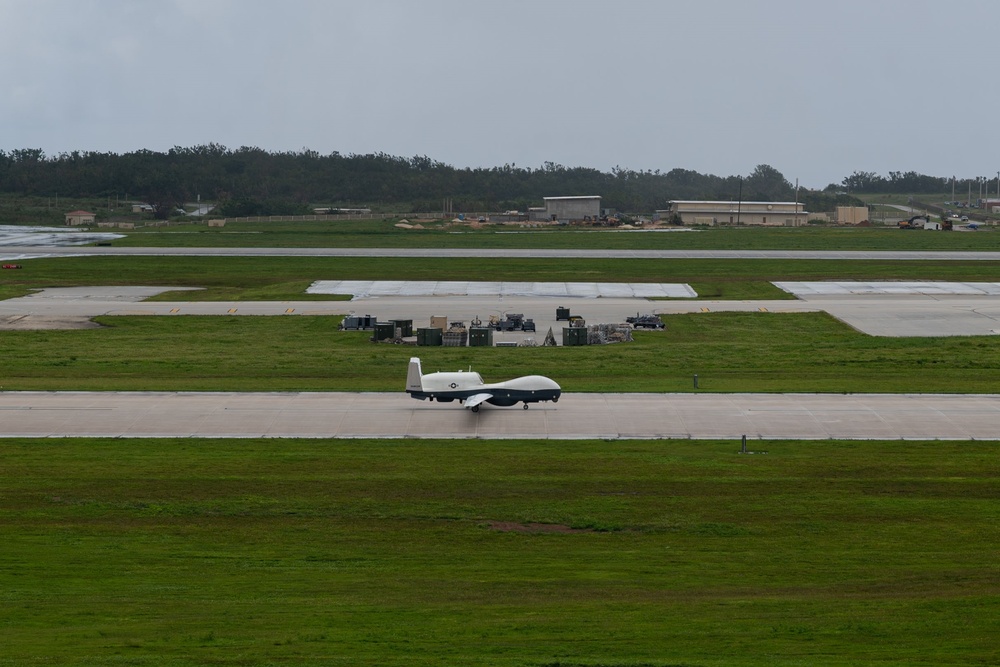
Cutting Out the Ground Station: P-8 Crews Task MQ-4C Triton Drones Directly in First Automated Navy MUM-T Demo
In a Boeing/Northrop Grumman demo, a P-8A Poseidon crew tasked an MQ-4C Triton via machine-readable UCI messages — the drone planned its own transit, worked its sensors, processed data with AI and reported back over satellite relay, no ground control station required.
-
Defense & Combat
ScanEagle and RQ-21A Blackjack: Inside Insitu’s Runway-Free ISR Platform Family
From a commercial fish-finder drone to front-line ISR in Ukraine, the Insitu ScanEagle and RQ-21A Blackjack are defined by a single design constraint: no runway needed. Here is how the platforms work, where they’ve fought, and why the formula endures.
-
Defense & Combat
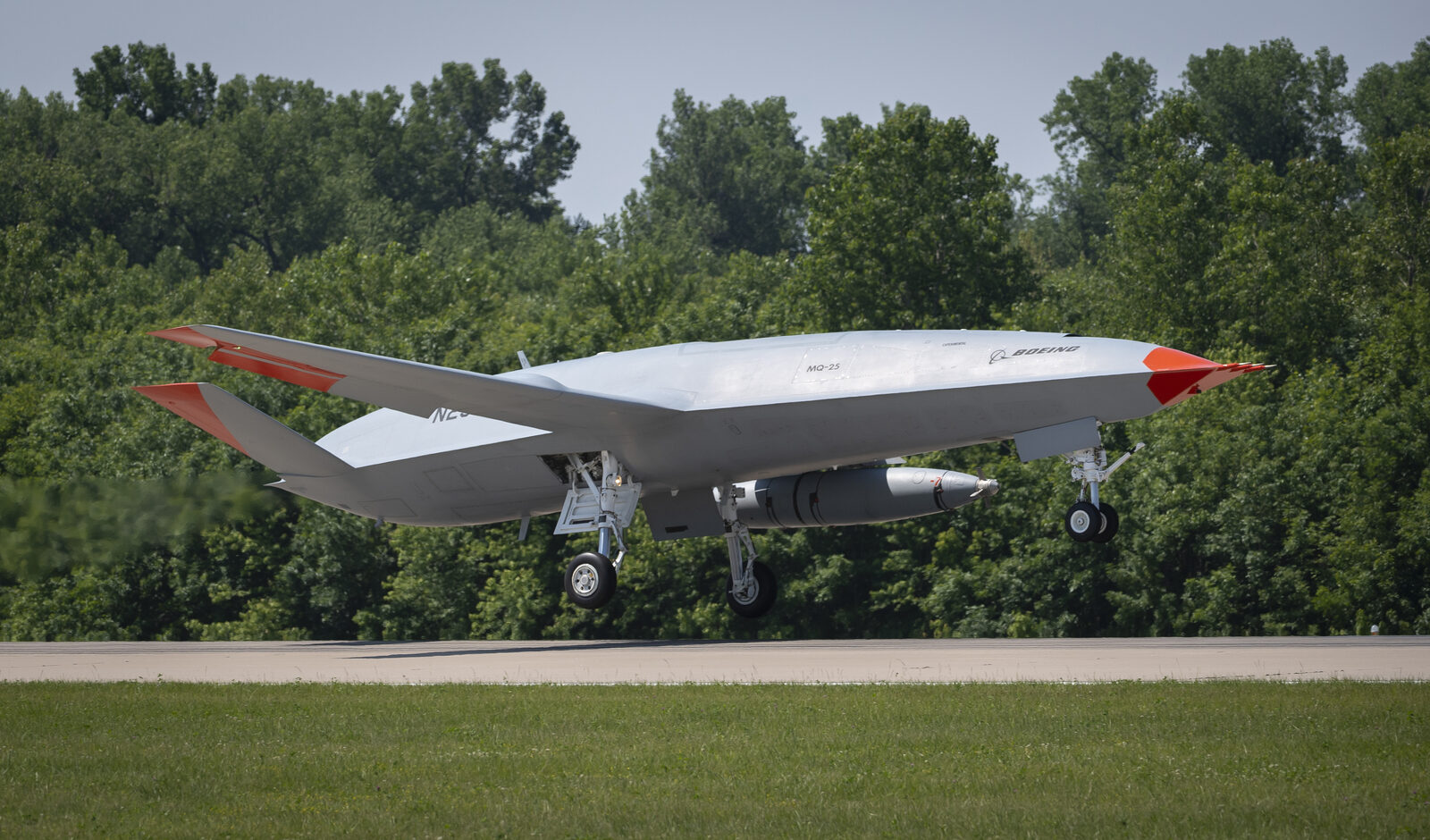
MQ-25 Stingray: How the Navy's First Carrier Drone Solves a Decades-Old Tanker Problem
The MQ-25A Stingray is the U.S. Navy's first operational carrier-based unmanned aircraft — a purpose-built aerial tanker that doubles the combat radius of F/A-18s and F-35Cs while freeing multiple fighters per air wing from buddy-tanker duty.
-
Defense & Combat
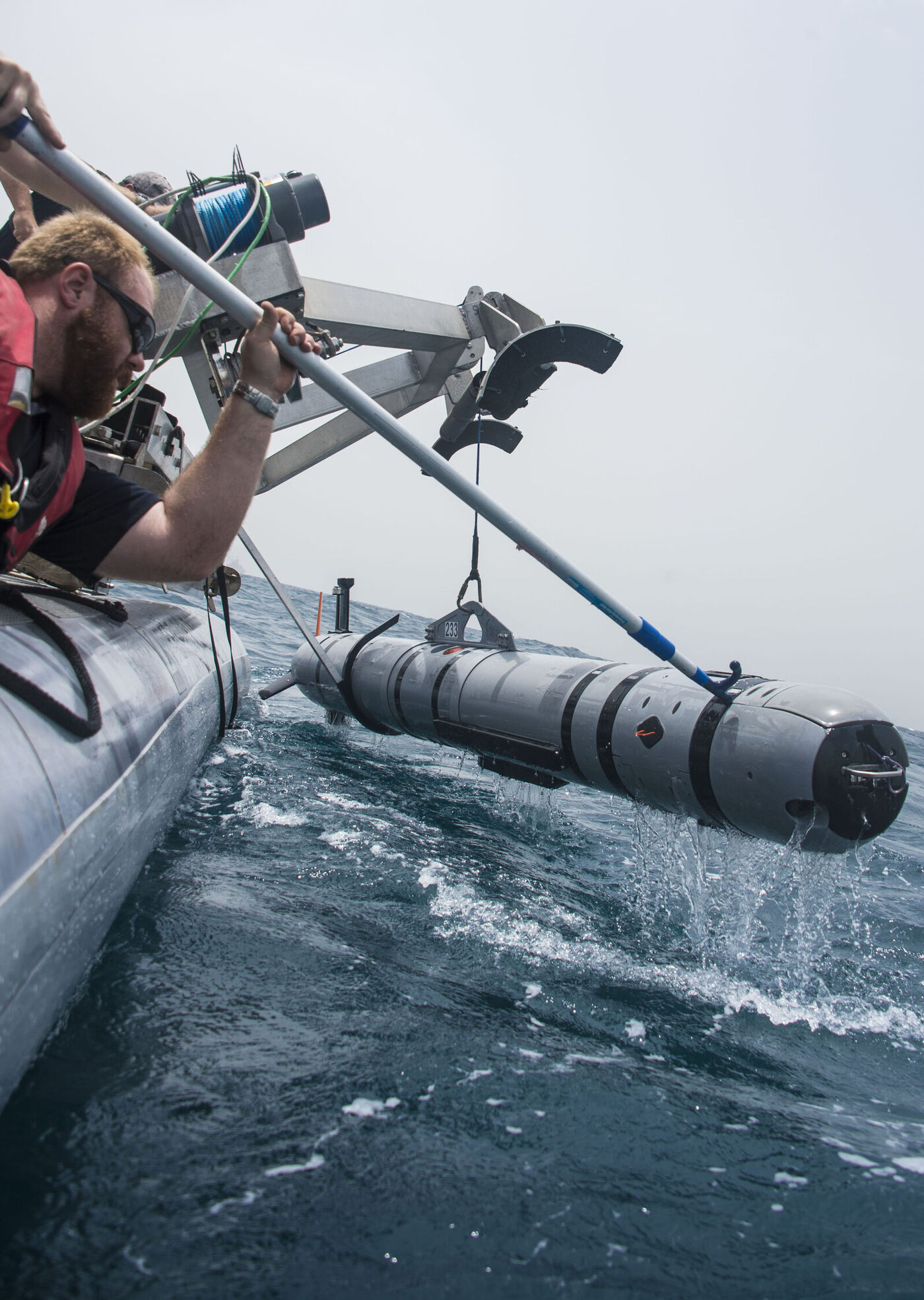
The Undersea Drone Explained: UUV Categories, Programs, and the Race Below
Uncrewed undersea vehicles now patrol the same cables that carry 97% of global communications. From man-portable REMUS scouts to 85-ton Orca XLUUVs, this is how the U.S. Navy classifies, builds, and struggles to field them — and why China is moving faster.