Defense & Combat
Military drone news from UASFeed — UAS programs, battlefield lessons from Ukraine and beyond, loitering munitions, and how uncrewed systems are changing combat.
-
Defense & Combat
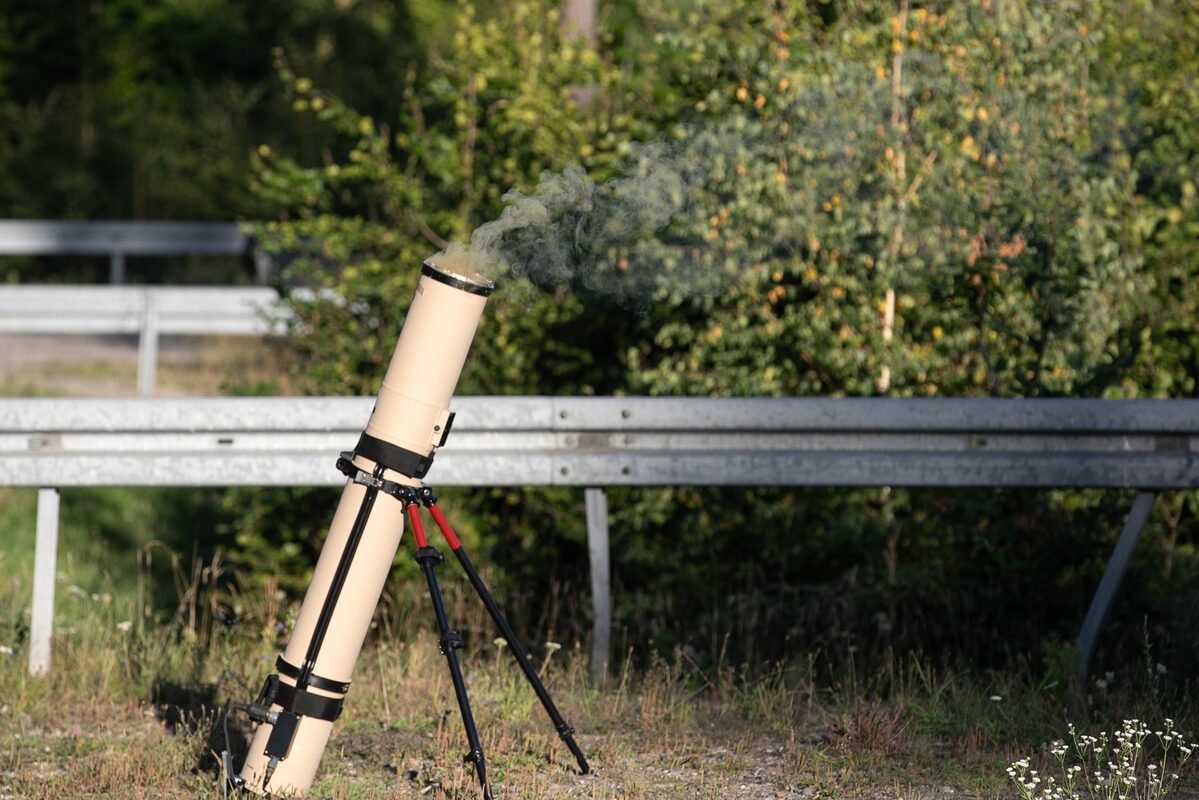
India Quietly Doubles the Reach of Its Loitering-Munition Fleet With the 300 km Sureshastra Mk1
The Indian Air Force has bought a 300 km variant of Veda Aeronautics' jet-powered Sureshastra Mk1 loitering munition — double the original range — with a 500 km Mk2 in flight trials and a Shahed-class 1,500 km weapon in development.
-
Defense & Combat
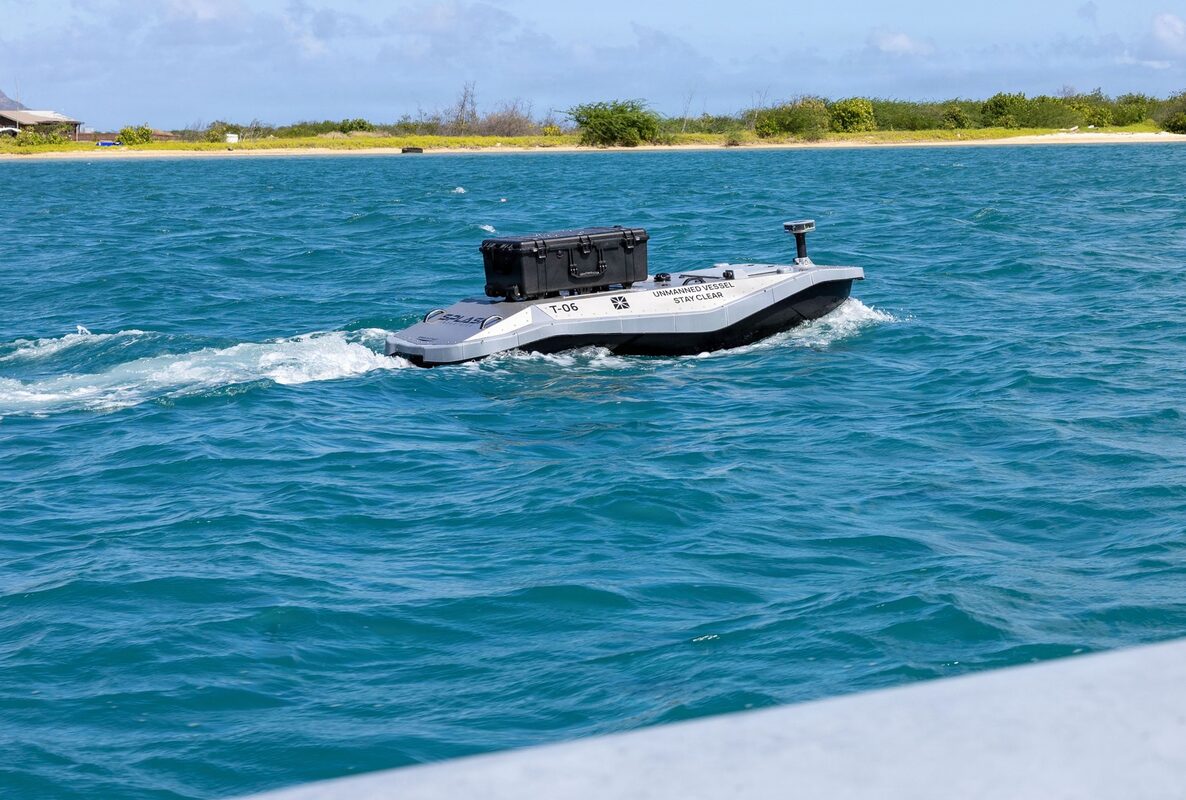
Kamikaze Sea Drones Help Sink Ex-USS Peleliu in a RIMPAC 2026 First
Two U.S. Navy one-way attack unmanned surface vessels detonated at the waterline of the decommissioned ex-USS Peleliu during RIMPAC 2026 off Hawaii — the first time kamikaze sea drones featured in a Pacific SINKEX.
-
Defense & Combat
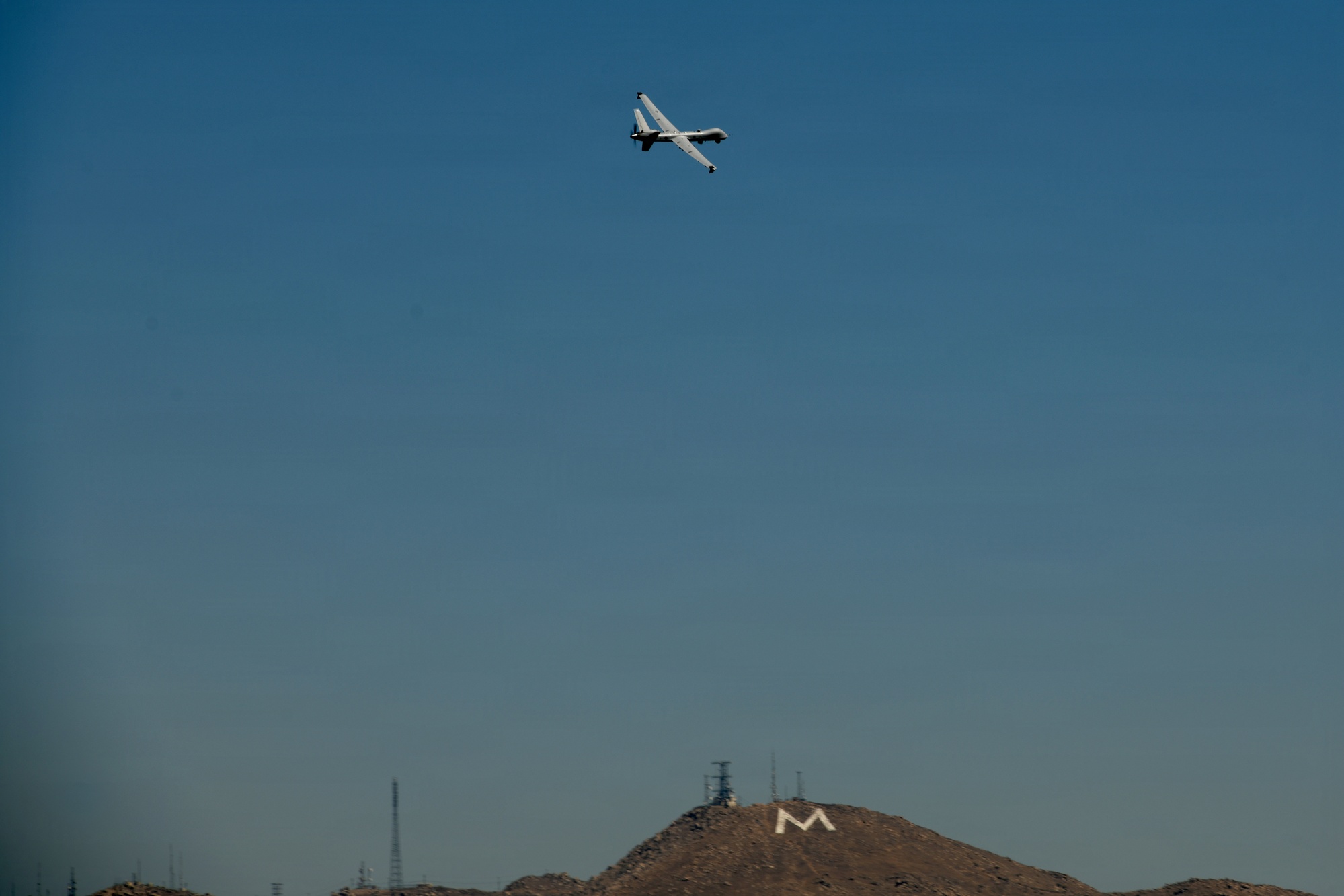
MBDA's SPEAR Mini Cruise Missile Is Headed for the MQ-9B Protector and Gambit CCA
MBDA confirmed at Farnborough 2026 that its 100km-range SPEAR mini cruise missile enters low-rate production this year, and a 20 July MoU with General Atomics will integrate the networked weapon onto the MQ-9B Protector and Gambit 6 collaborative combat aircraft.
-
Defense & Combat
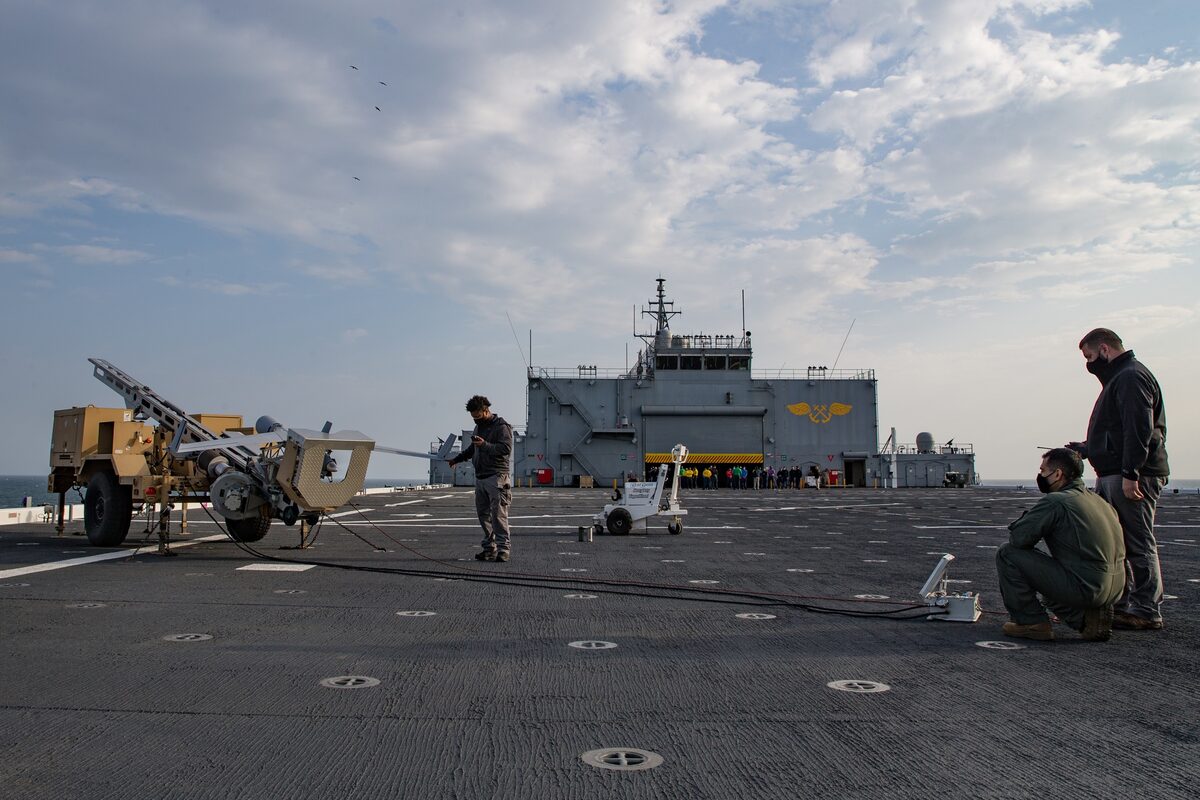
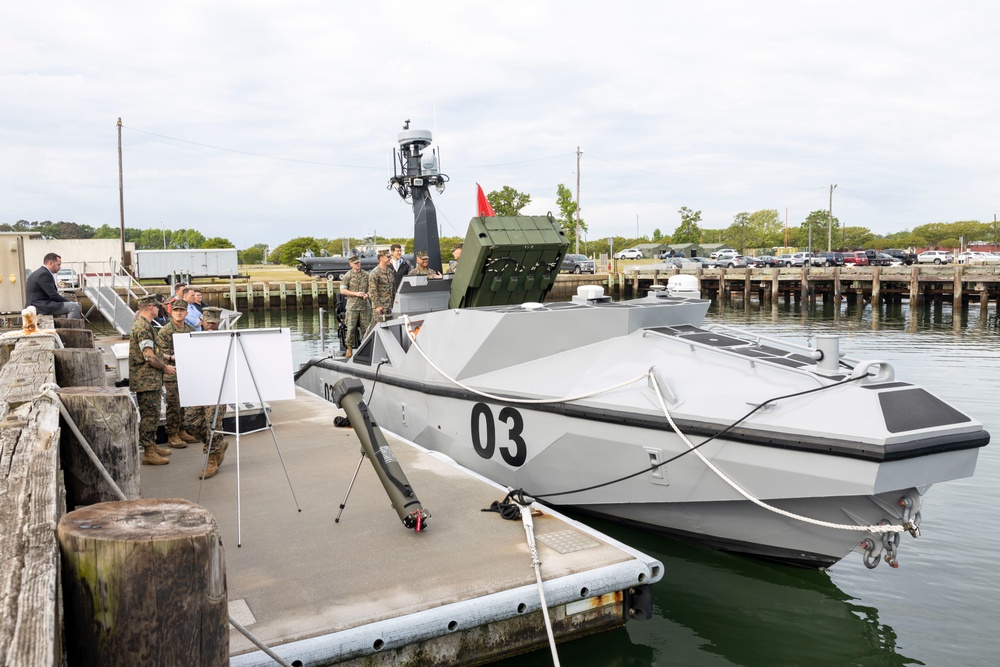
NAVSEA Wants a 400-Foot Drone Mothership for SOUTHCOM: Inside the Special Mission Vessel RFI
A NAVSEA RFI posted 20 July seeks a 300-400 ft Special Mission Vessel built to launch and recover Class 2/3 VTOL drones, USVs, small craft and Seahawks as a SOUTHCOM counternarcotics sea base - with 9,600 nm range, 30-day endurance and secure space for 10-12 detainees.
-
Defense & Combat
$80 Million for Copper and Steel: The Army Buys a Domestic Drone-Motor Stator Line in Anniston
The Army just paid Siemens Government Technologies $79,988,134 to stand up a government-controlled drone-motor stator line in Anniston, Alabama — the second motor-production bet in a month, and still no answer on the 90% China-sourced magnets that go inside.
-
Defense & Combat
The Pentagon Wants a Drone That Comes Home: $32M for 1,200 Reusable Bombers at $20,000 a Copy
Phase 2.5 "Mission C" of the Drone Dominance Program asks industry for reusable 55-pound bomber drones that survive at least 30 sorties — 150 preferred — at $20,000 apiece, a pointed break from the disposable one-way attack drones the program has bought so far.
-
Defense & Combat
Ukraine's Overnight Drones Go After the Supply Lines Feeding Russia's Own Drone Factories
Ukraine says its overnight July 18 long-range raid hit two Russian logistics centers moving sanctioned drone components, an oil depot near Moscow, and Black Sea/Azov naval targets — a supply-chain-interdiction turn in the deep-strike campaign.
-
Defense & Combat
China's Type 076 'Sichuan' Becomes the World's First Amphibious Assault Ship to Catapult-Launch Combat Drones
New close-up footage of China's first Type 076, Sichuan, confirms an electromagnetic catapult and arresting gear tuned for fixed-wing UAVs — a drone-carrier capability no U.S. or NATO amphibious ship currently fields.
-
Defense & Combat
Two Drones a Day: Ukraine Codified 413 New UAS in Six Months — and Nearly 90% Are Homemade
Ukraine's Defence Ministry says it codified 413 new unmanned aerial systems in the first half of 2026 — more than two a day, up 30% on 2025 — with copter strike drones and jam-immune fiber-optic systems leading the mix.
-
Defense & Combat
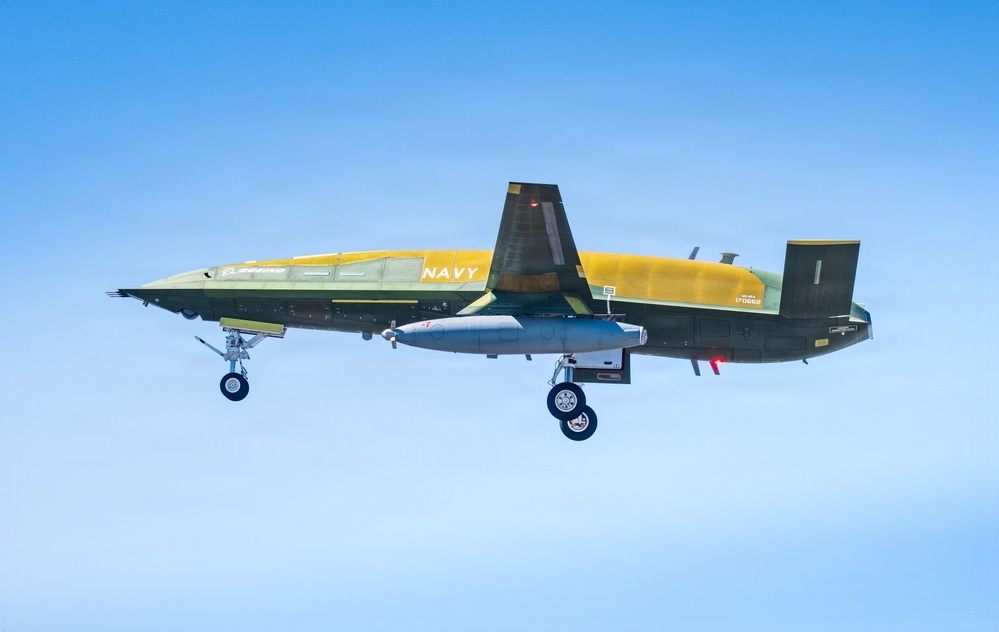
Navy Wants a Family of Carrier-Based Drones That Can Do Everything From Strikes to Aerial Refueling
A July 14 Navy RFI seeks a modular "Air Wing of the Future" family of carrier-based drones spanning eight missions, from strike and air-to-air combat to refueling and resupply, with responses due Aug. 13.
-
Defense & Combat
Sea, Land, and Air: Ukraine Pulls Off the First Fully Unmanned Amphibious Assault at Kinburn Spit
Ukraine's 123rd Territorial Defense Brigade landed an armed robotic boat-ferried machine-gun UGV on Russian-held Kinburn Spit under drone watch on July 13, 2026 — with zero humans in any domain, what analysts call the first fully unmanned combined-domain amphibious raid in history.
-
Defense & Combat
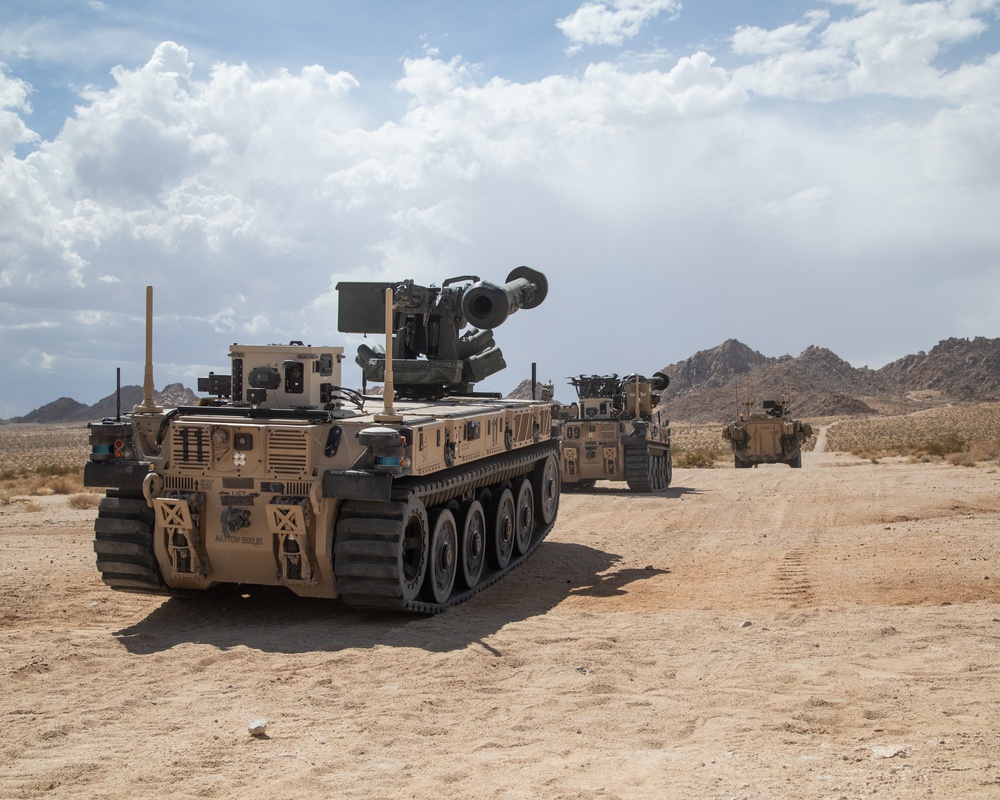
Drone Motherships Explained: Air, Sea, and Ground Launch Platforms Compared
A taxonomy of the drone-mothership concept across air, sea, and ground domains — from robotic combat vehicles and containerized launchers to submarine tenders — and why range-stacking and cost asymmetry are reshaping every branch of warfare.