FAA
Every UASFeed story on FAA — across defense, counter-UAS, industry, commercial, policy, and tech, newest first.
-
Defense & Combat
Langley's 17-Night Drone Siege: What Happened, What Failed, What DoD Still Doesn't Know
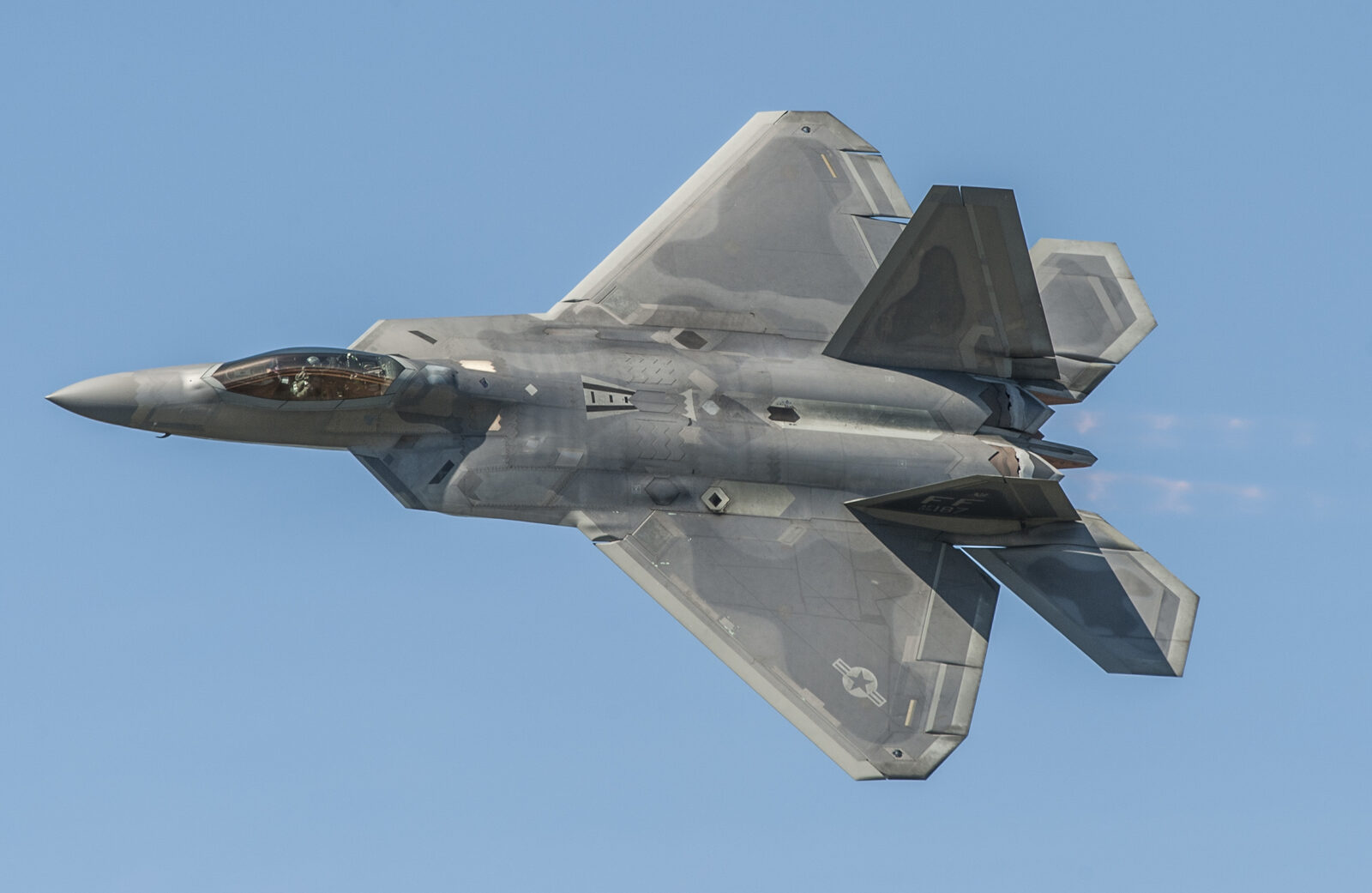
For 17 consecutive nights in December 2023, unidentified drone swarms penetrated restricted airspace over Joint Base Langley-Eustis, forcing the relocation of F-22 Raptors — while the military's C-UAS authorities and tools proved wholly inadequate to respond.
-
Policy & Regulation
New Jersey's 2024 Drone Wave: What Federal Investigators Actually Found
In late 2024, weeks of nightly drone sightings across New Jersey and the Northeast triggered a federal investigation, thousands of public tips, and emergency airspace restrictions—before a four-agency joint statement concluded most reports were misidentified manned aircraft, with no foreign nexus and no national security threat.
-
Counter-UAS
Counter-UAS at Airports: Why the U.S. Still Can't Stop a Gatwick-Style Closure
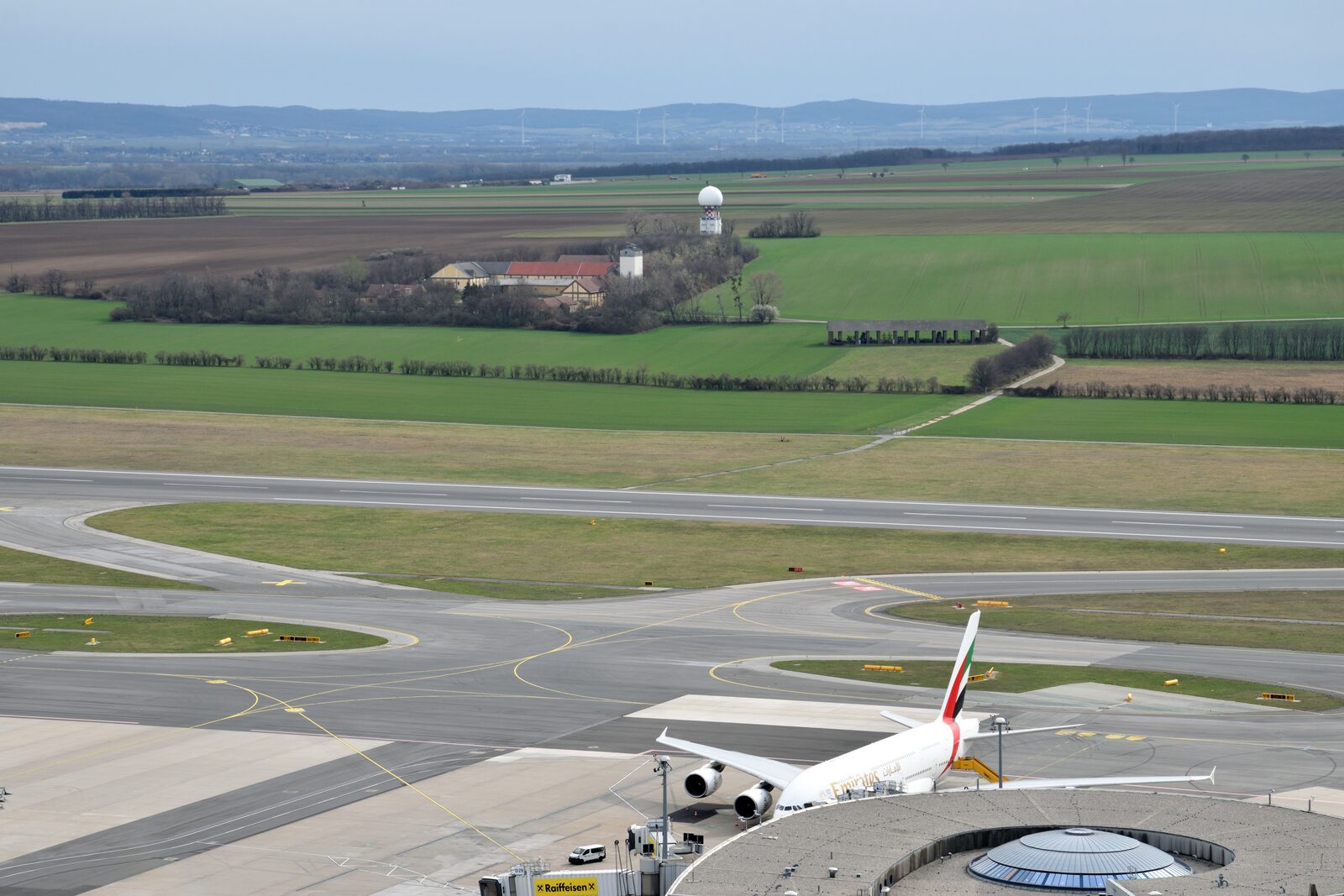
The 2018 Gatwick drone incident cost airlines £50 million and stranded 110,000 passengers — and the perpetrators were never found. Five years on, U.S. airports face hundreds of incursions annually while the FAA still cannot neutralize a drone on its own. Here's how the technology and authority fit together.
-
Counter-UAS
Counter-UAS for Stadiums and Mass Events: How the U.S. Closes the Airspace Gap
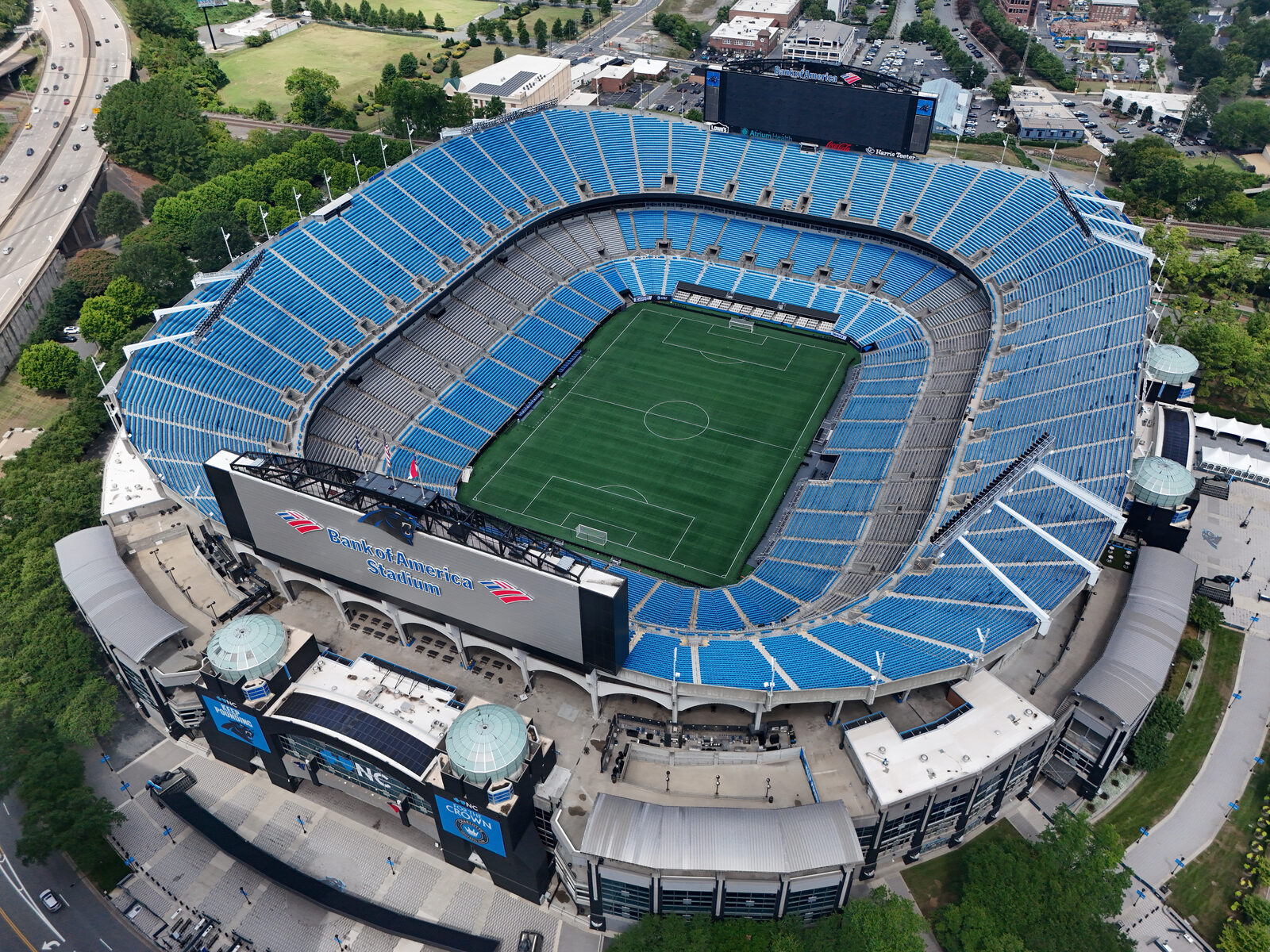
Federal no-fly zones have covered NFL stadiums for years, but local police could only watch unauthorized drones — not stop them. Here's how the legal authority gap developed, how the World Cup became a live test for the workaround, and what still isn't solved.
-
Counter-UAS
Soft Targets in the Air Age: The Drone Threat to U.S. Critical Infrastructure
From a copper-wire-rigged DJI Mavic to a C-4-loaded platform aimed at a Nashville substation, drone attacks on U.S. critical infrastructure have moved from theoretical to documented — yet 93% of nuclear sites, 90% of oil refineries, and most major airports remain without active counter-UAS protection.
-
Counter-UAS
Fortem DroneHunter F700: The Autonomous Net-Catcher Closing the Jammer Gap
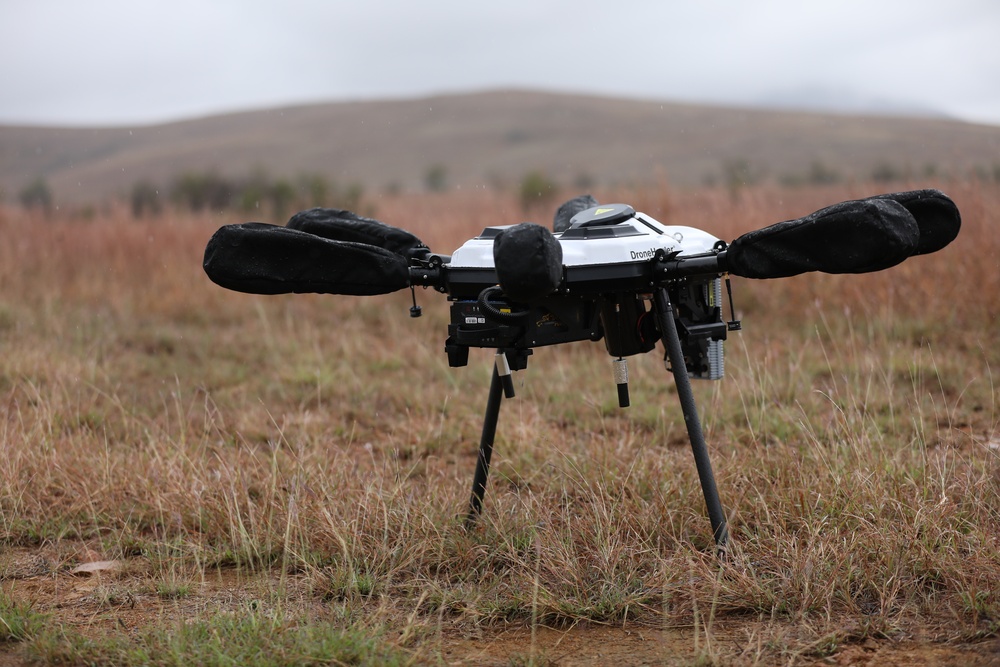
Fortem's DroneHunter F700 autonomously pursues hostile drones, fires tethered nets to capture them in flight, and tows the platform to a forensics zone — no explosives, no jamming. With 4,500+ captures, a Replicator 2 contract, and $25M from Lockheed Martin, it is the Pentagon's answer to GPS-waypoint threats that jammers cannot touch.
-
Counter-UAS
Geofencing and No-Fly Zones Explained: How Drone Airspace Controls Actually Work
On January 13, 2025, DJI stopped blocking its drones from flying into restricted airspace—ending a decade of hard firmware locks. Here is what replaced them: the FAA airspace stack, Remote ID enforcement, and where every layer of the system breaks down.
-
Industry & Contracts
Wing Aviation, Explained: From Google X Moonshot to 40 Million American Customers
Wing Aviation — Alphabet's drone delivery spinout — holds the first FAA Part 135 air carrier certificate ever issued to a drone company, operates across three continents, and is on course to reach more than 40 million Americans through Walmart by 2027.
-
Industry & Contracts
Zipline: How a Drone Startup Became the World's Largest Autonomous Delivery Network
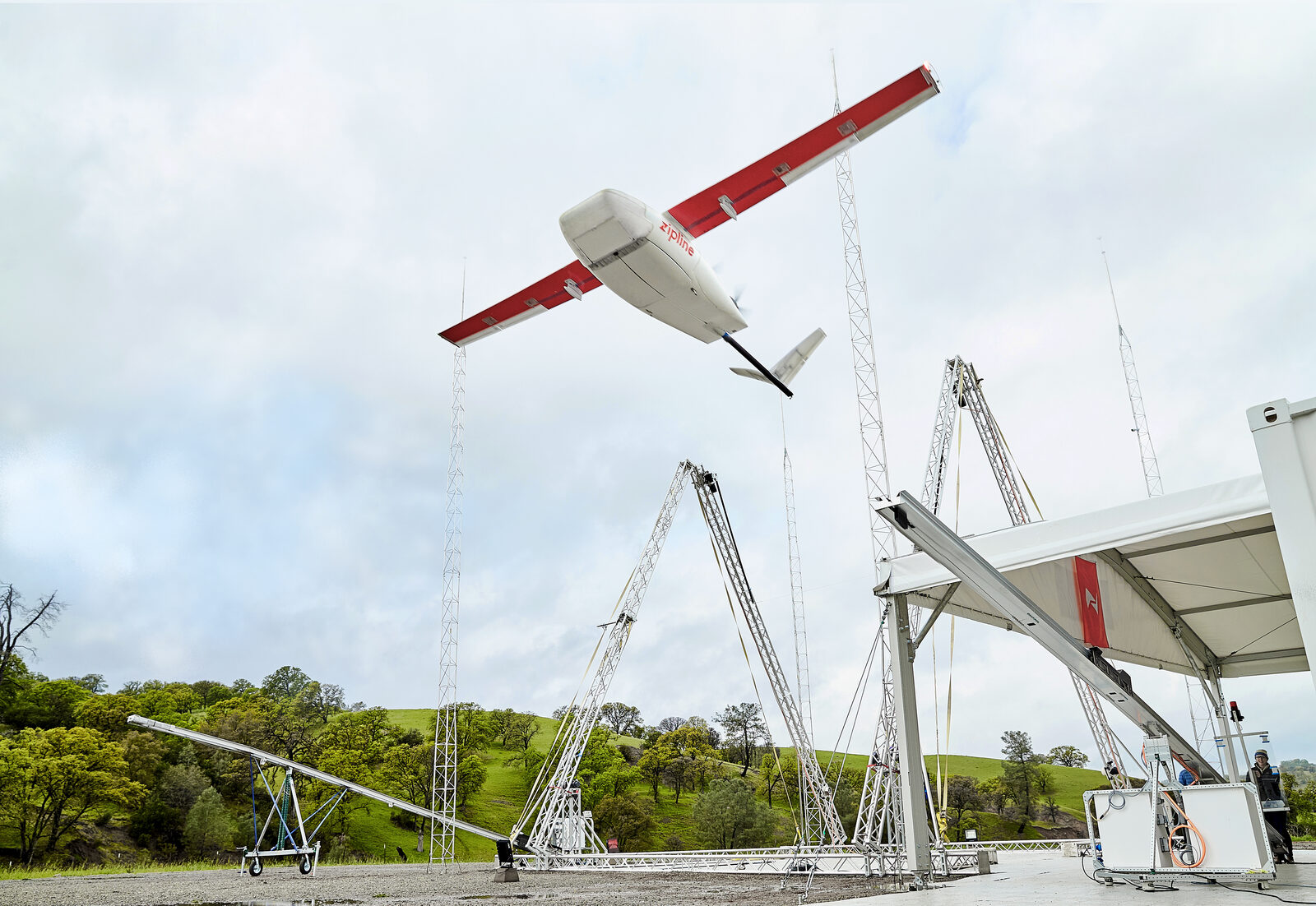
Founded in 2014 to route blood and vaccines around failed road infrastructure in Rwanda, Zipline has logged 100 million autonomous miles, serves 4,000-plus health facilities across seven countries, and is now deploying its second-generation tethered-Droid delivery system in American suburbs.
-
Policy & Regulation
The Sound Standard Drone Delivery Doesn't Have Yet
Drone noise sits in household-appliance decibel territory but is measurably 4–10 dB more annoying than jet aircraft at equal sound pressure. A patchwork of bespoke FAA rulings and an unfulfilled congressional mandate have left communities in Texas and Australia with no effective regulatory recourse.
-
Policy & Regulation
From ISM Bands to Part 88: How U.S. Drone Spectrum Regulation Works
Most commercial drones fly on unlicensed ISM spectrum shared with Wi-Fi and baby monitors — a structural problem for BVLOS operations that require aviation-grade, interference-protected command links. Here is how a 2012 ITU allocation became Part 88, and what remains unresolved.
-
Policy & Regulation
Europe’s U-Space Framework: What the Three 2021 Regulations Actually Require
The EU’s U-space package — three implementing regulations adopted April 2021 and applicable since January 2023 — makes digital airspace services a legal prerequisite for drone operations in designated zones. Here is how the certification regime, four mandatory services, and risk methodology actually work.