FAA
Every UASFeed story on FAA — across defense, counter-UAS, industry, commercial, policy, and tech, newest first.
-
Policy & Regulation
The FAA Remote ID Rule for Drones, Explained
A plain-English guide to 14 CFR Part 89, the FAA's Remote ID rule: what it requires, the three compliance paths, key deadlines, and how it differs from a manned-aircraft transponder.
-
Commercial & Delivery
Amazon Asks the FAA to Fly Prime Air Drones Over Omaha's Suburbs — Comment Window Closes July 22
Amazon has filed for FAA approval to launch Prime Air drone delivery from a Papillion, Nebraska warehouse, with a public comment window on the draft environmental assessment closing July 22, 2026.
-
Counter-UAS
The Counter-Drone Drone That Caught Fire: An NYPD Skydio X10 Falls Into a World Cup Crowd in Brooklyn
An NYPD Skydio X10 malfunctioned and burned near the FIFA World Cup Fan Zone in Brooklyn Bridge Park on a match night — inside an FAA No Drone Zone where a civilian would face six-figure penalties. It was the second NYPD drone to catch fire in Brooklyn in 13 months.
-
Commercial & Delivery
Europe Pulls Ahead: Spain Clears First SAIL III Cargo Drone Flights Over Populated Areas as U.S. Part 108 Stalls
Spain's AESA has issued the country's first SAIL III authorization, clearing CATUAV to fly RigiTech's Eiger 3 BVLOS over populated areas — a higher-complexity milestone that lands while the U.S. still has no finalized BVLOS rule.
-
Commercial & Delivery
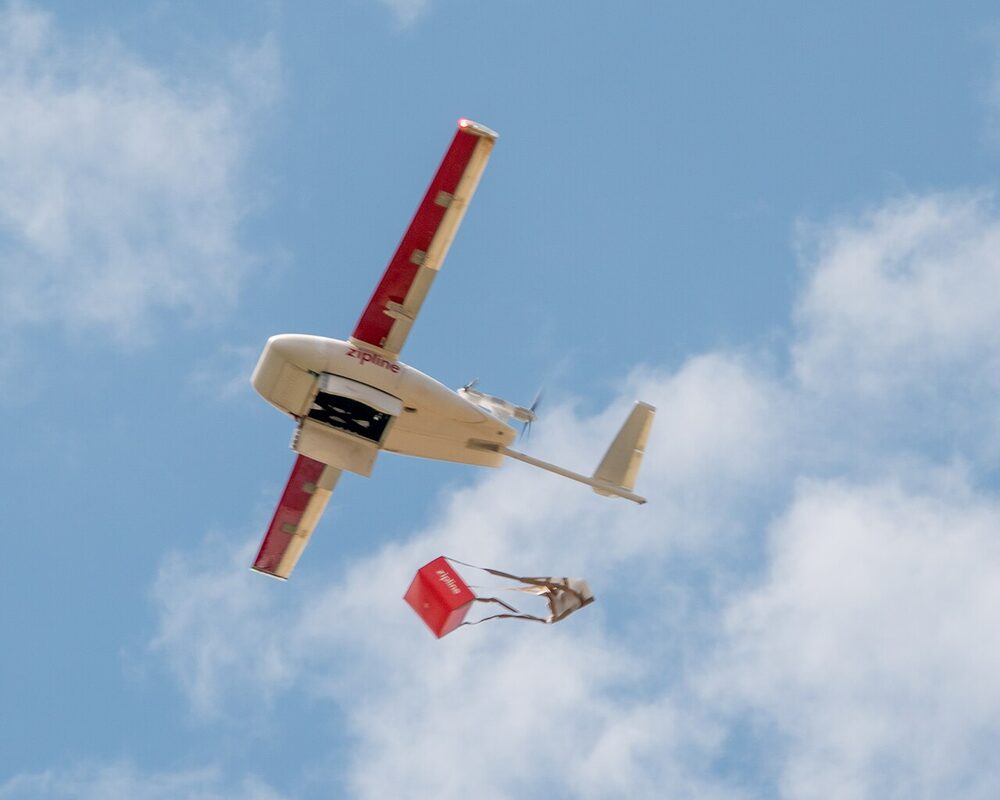
BayCare Bets on Zipline: A New Autonomous Medical-Delivery Network for West Central Florida
BayCare and Zipline will build an autonomous drone-delivery network for lab samples, medications and critical supplies across West Central Florida, launching in the St. Petersburg area in late 2027 on FAA Part 135 BVLOS authority.
-
Commercial & Delivery
Collision Course Over the Suburbs: Delivery and Public-Safety Drones Are Racing Into the Same Low Airspace
As U.S. commercial drone delivery nears one million flights and FAA drone-as-first-responder waivers jump from ~50 in six years to 1,000+ in six months, DRONERESPONDERS warns the UTM tools meant to keep the two apart are still early-stage.
-
Policy & Regulation
Fourth Strike in Four Days: A Drone Hits a JetBlue Jet Over JFK as U.S. Airports Still Have No Legal Way to Stop It
A drone struck JetBlue Flight 948 above the cockpit at ~3,000 feet on approach to JFK on June 29 — the fourth NYC-area drone incident in four days — exposing that civil airports and local police still have no legal authority to detect or interdict drones in real time.
-
Counter-UAS
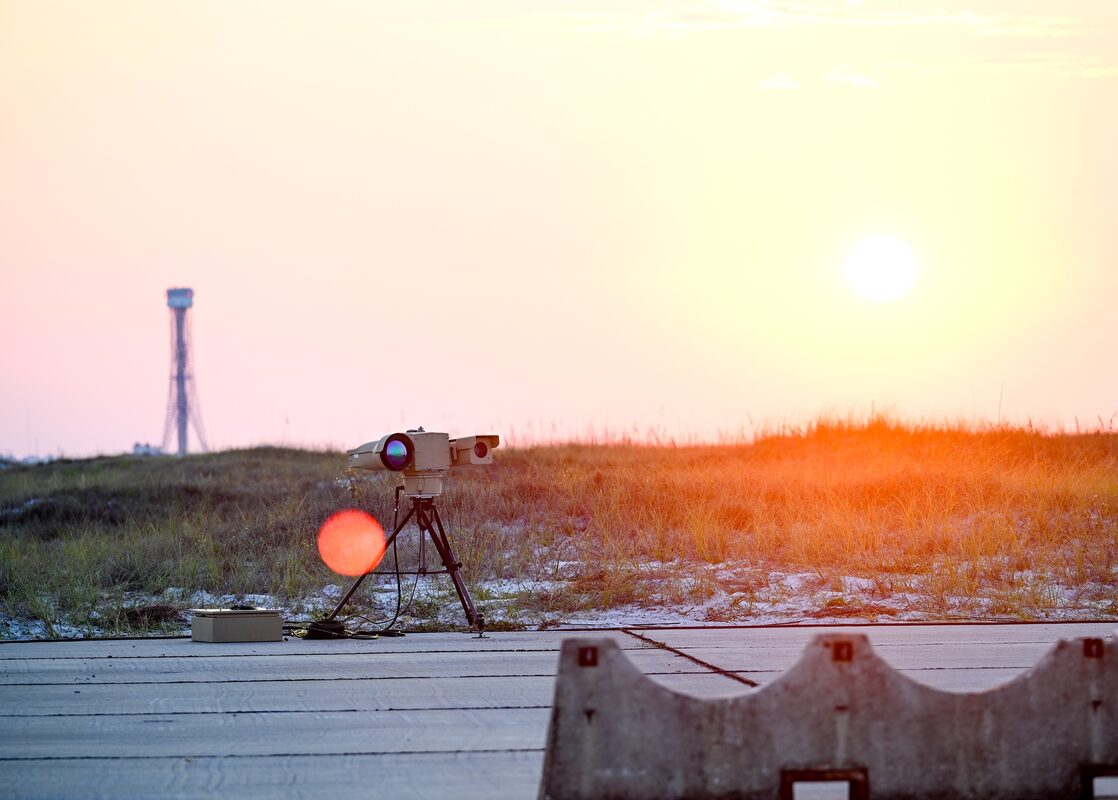
A Prohibited Zone Goes Live-Fire Ready: Secret Service Counter-Drone Teams Guard the Mall's First-Ever NSSE July 4
For America 250, the National Mall fireworks earned National Special Security Event status for the first time — putting Secret Service counter-drone teams, the FBI, and the National Guard over 150,000 people inside an airspace that has been off-limits for half a century.
-
Commercial & Delivery
Grubhub's Parent Bets on the Sky: Wonder Plans Texas Drone Delivery as Walmart-Wing's Network Nears 20 Markets
Wonder, the food-hall operator that owns Grubhub, will launch drone food delivery in Dallas in January 2027 — entering a commercial market where Walmart and Wing are pushing toward 20 U.S. metros and Zipline has cleared 2 million deliveries.
-
Commercial & Delivery
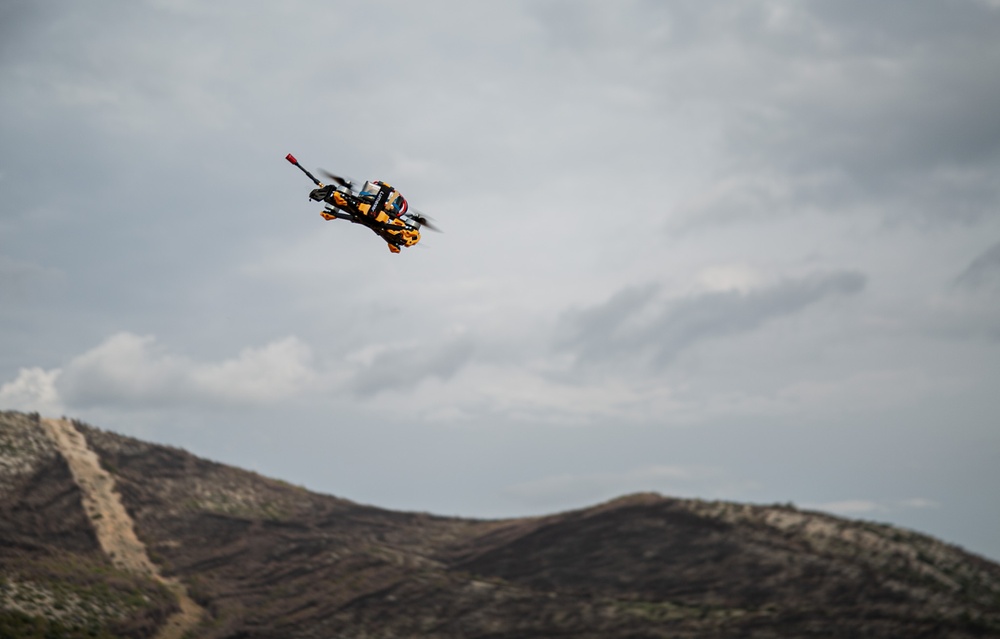
FPV Goes Primetime: F1 Puts a 350 km/h Chase Drone at the Center of Its Austrian GP Broadcast
At the June 28, 2026 Austrian GP, Formula 1 aired FPV drone footage as a headline broadcast camera, tracking a Hamilton-Verstappen fight at speeds reported above 350 km/h — the sport's most prominent FPV deployment yet, and a marker of the regulatory ceiling that still bounds the technology.
-
Commercial & Delivery
Drone as First Responder, Live: A Skydio X10 Talks Three People Out of an Illinois River at Night
A Cherry Valley, IL police Skydio X10 used thermal, spotlight and loudspeaker to find three people stranded along the Kishwaukee River at night and guide them to firefighters — a vivid proof point for the scaling Drone-as-First-Responder market.
-
Counter-UAS
United 737 Came Within 100 Feet of a Drone on Newark Approach — and the FAA Has No Way to Stop the Next One
A United 737 with 111 aboard reported a drone about 100 feet below it on final to Newark on June 27; a second crew saw another. The FAA opened a probe — but civil airports still have no authority to detect or down drones.