U.S. Army
Every UASFeed story on U.S. Army — across defense, counter-UAS, industry, commercial, policy, and tech, newest first.
-
Industry & Contracts
Neros Triples to $2.5B Valuation in $250M Series C, Adds Bandit Interceptor to Product Line
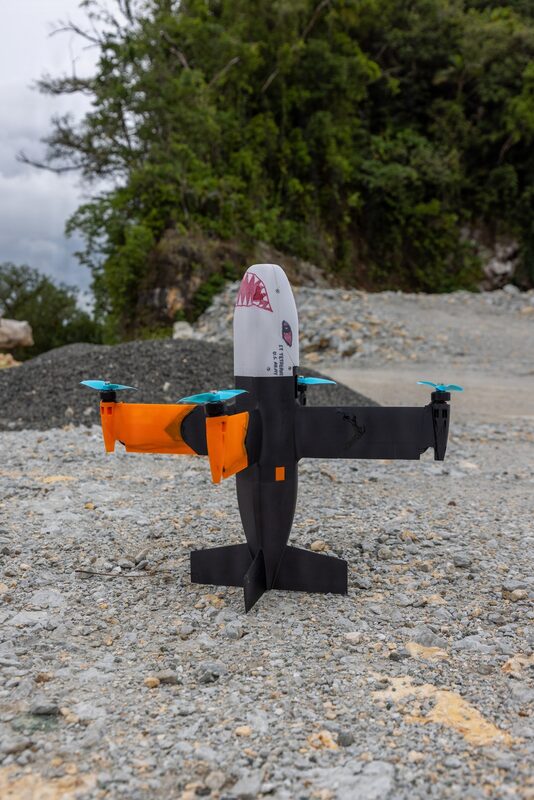
Los Angeles drone maker Neros raised a $250 million Series C at a $2.5 billion valuation on August 11, 2026, funding a new Bandit counter-UAS interceptor alongside its Archer AI strike drone as it chases 1 million units/year of production by 2028.
-
Industry & Contracts
First Production Laser: AeroVironment's $400M Locust Deal Moves Directed Energy From Prototype to Product Line
Bloomberg reports the Army will buy at least $400M of AeroVironment's Locust counter-drone lasers — the Pentagon's first production contract for a directed-energy system beyond the prototype phase — sending AVAV up ~8-9% and turning the E-HEL program of record from negotiation into recurring revenue.
-
Industry & Contracts
Army's Sub-$150K Missile Hunt: NGCM Sources-Sought Targets Cheap Group 2/3 Drone Killers for the Coyote Launcher
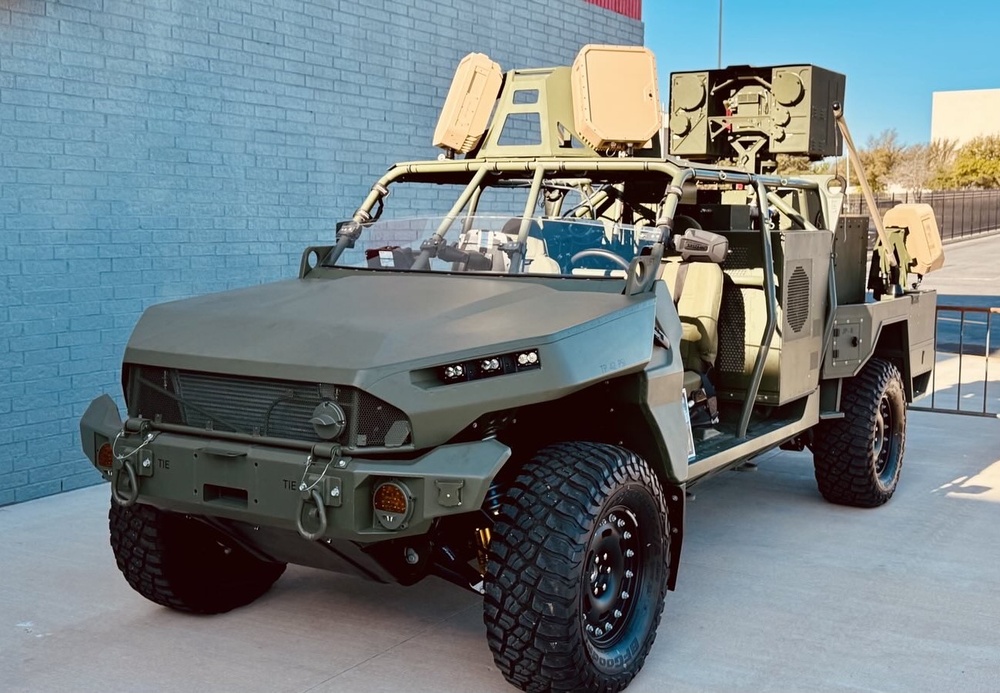
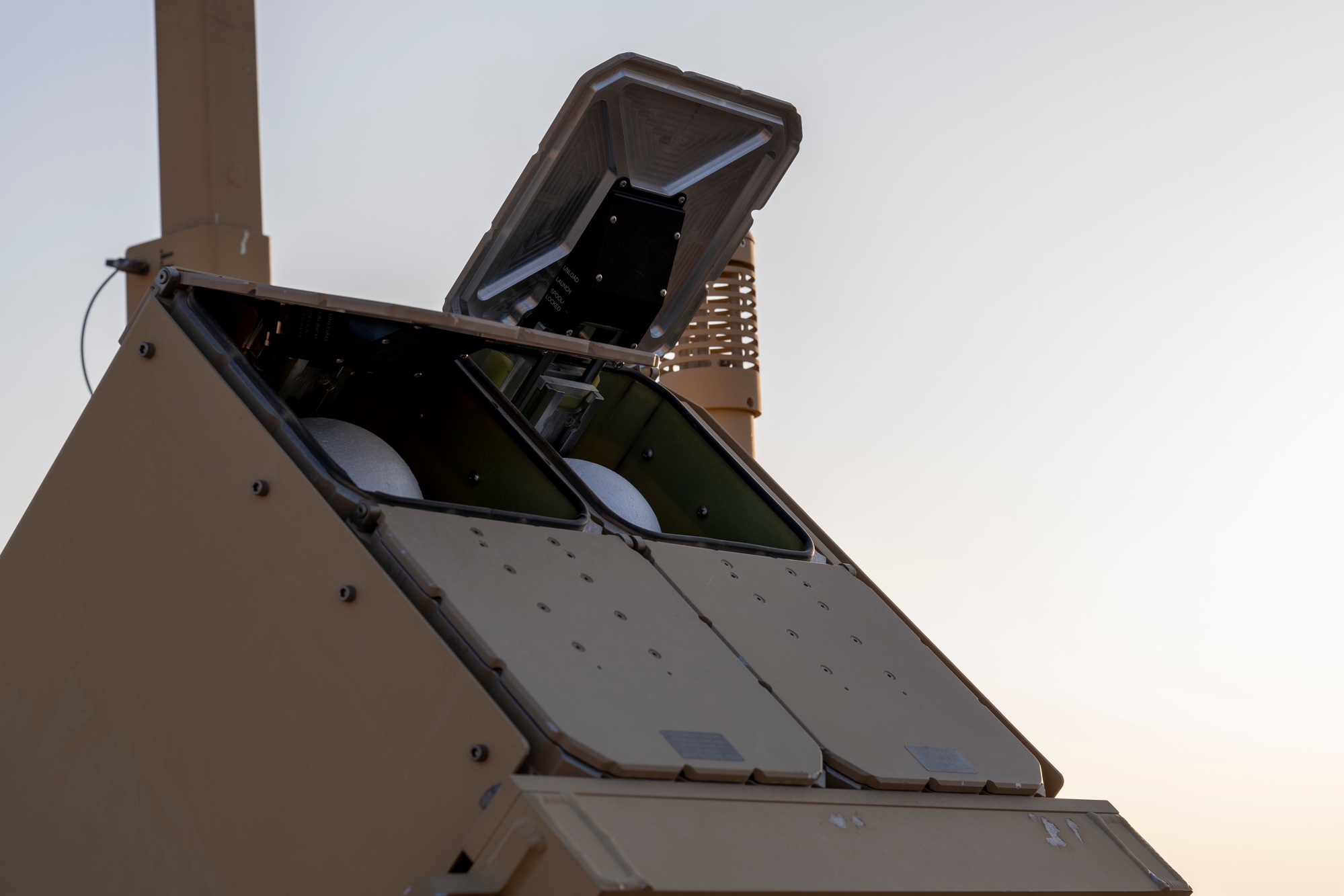
The Army wants a Coyote Launcher-compatible interceptor that can kill Group 2/3 drones at 16+ km for under $150,000 a round, with industry responses due August 20.
-
Defense & Combat
Shotguns Go to War Against FPV Drones as Ammo Makers Race to Arm Dismounted Troops
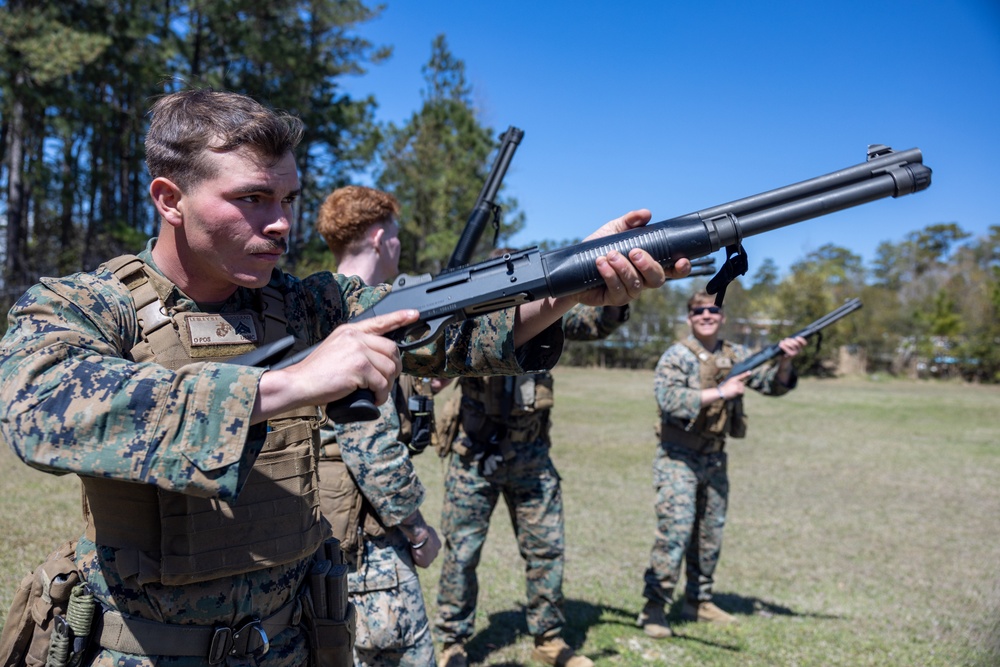
A new Janes special report details how ammunition makers are fielding tungsten-shot 12-gauge rounds and other counter-UAV cartridges as militaries scramble to give infantry a fighting chance against kamikaze FPV drones.
-
Counter-UAS
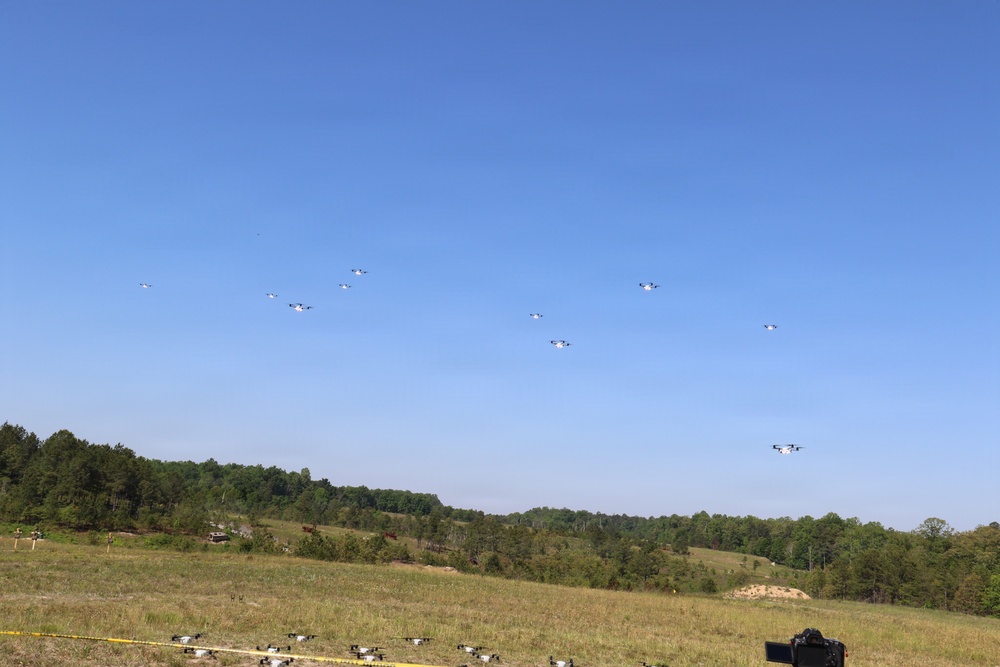
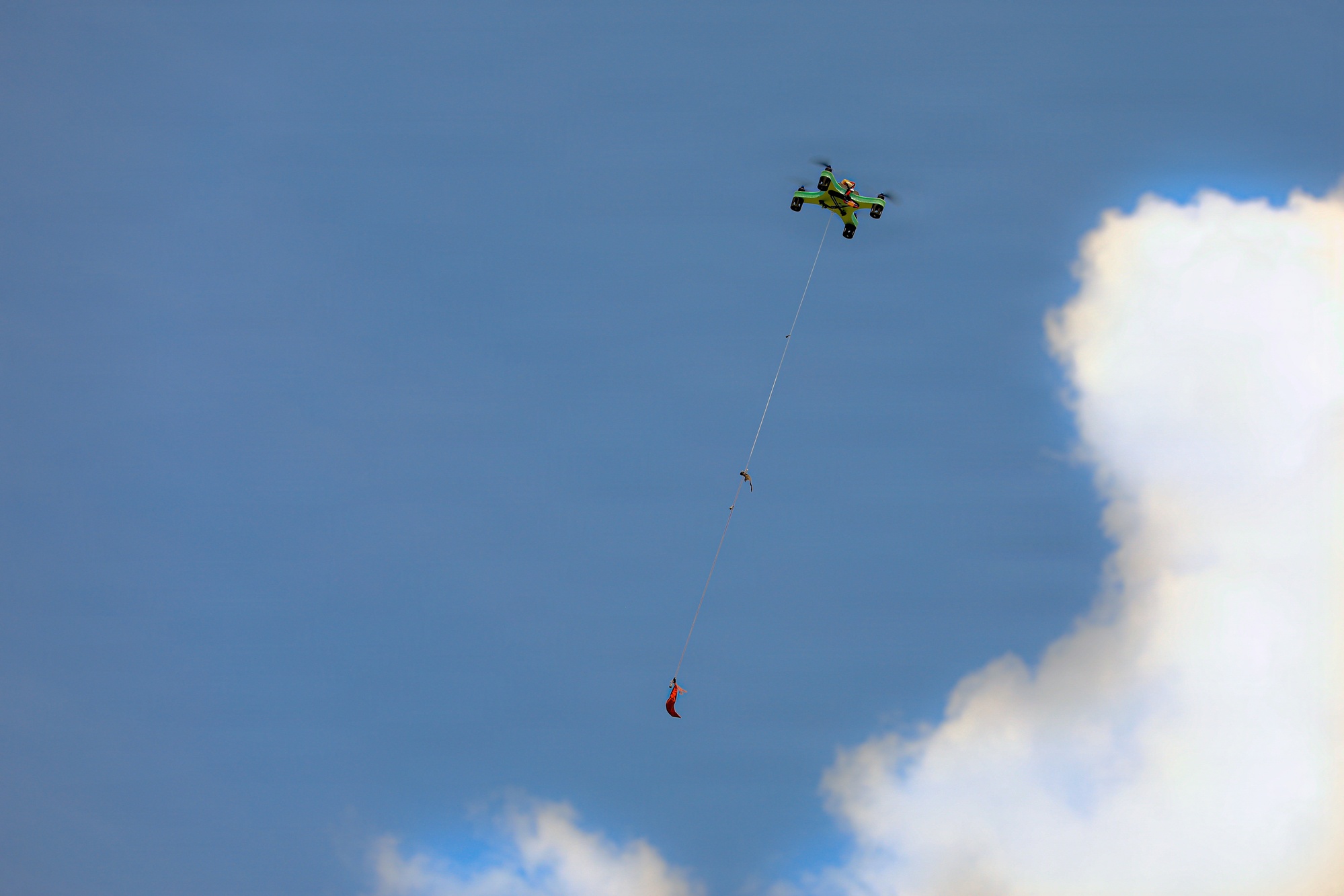
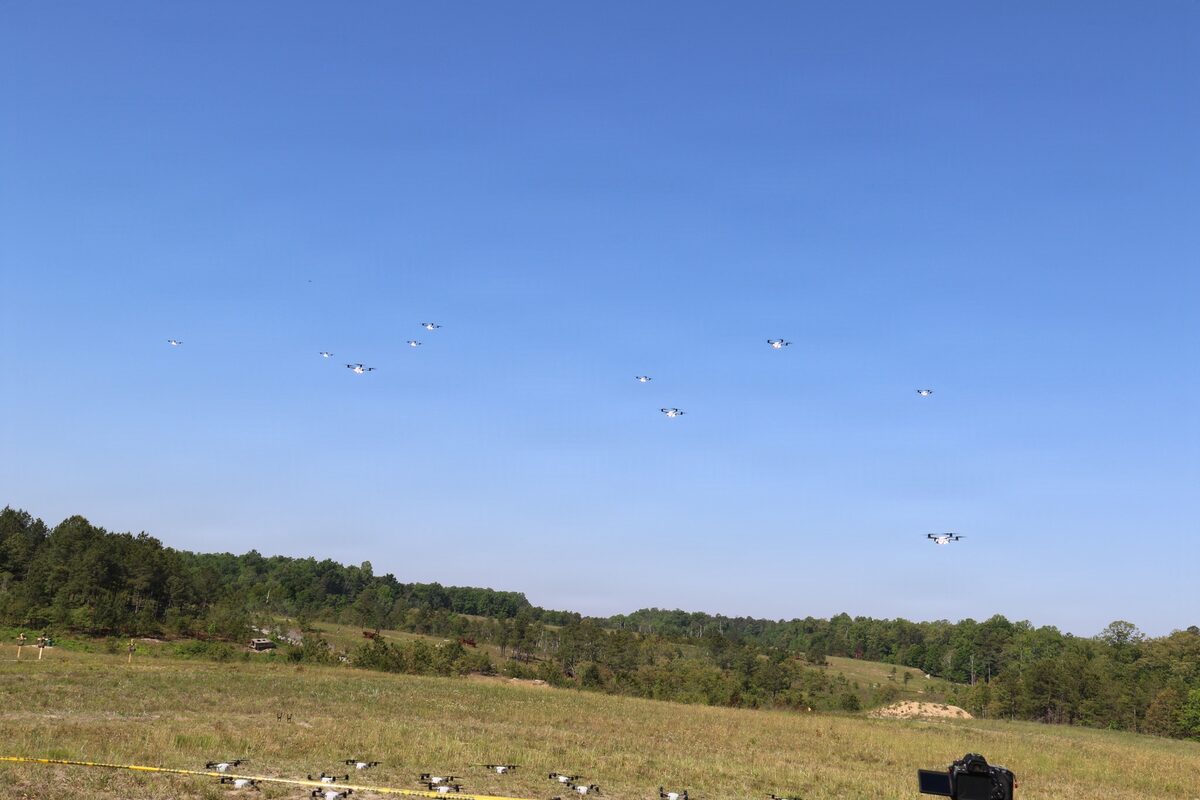
Inside 'Warden': How the Army's C5ISR Center Is Grading 17 Counter-Drone Vendors Against Real Swarms
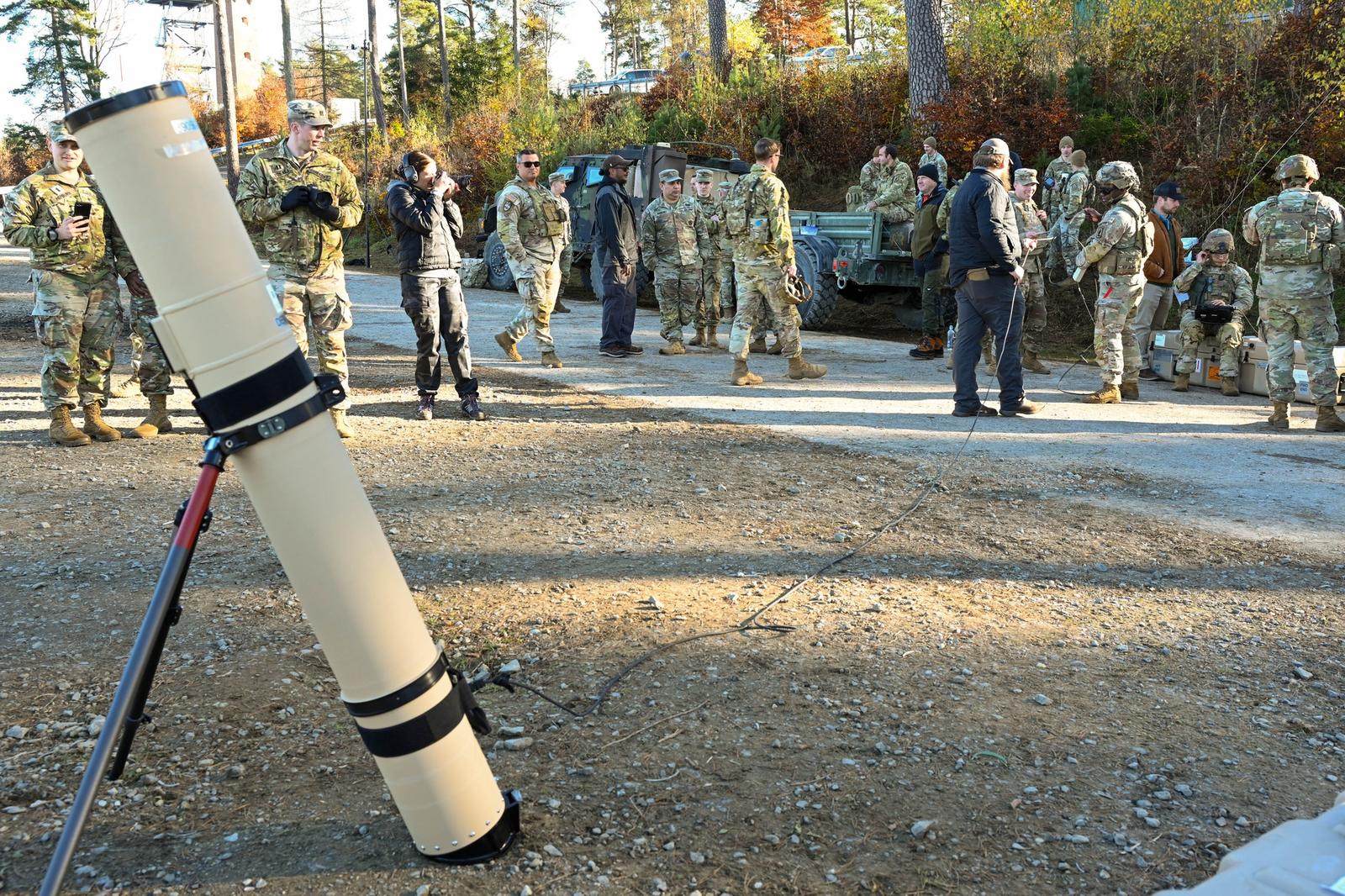
The Army's DEVCOM C5ISR Center ran its first 'Warden' assessment at Fort A.P. Hill, pitting 17 vendors' lasers, jammers and interceptor drones against 12+ UAS types including swarms.
-
Tech & Builds
A $240,000 Sea Drone Just Proved It Can Shadow a Billion-Dollar Chinese Warship
Seasats says its 12-foot Lightfish USV tracked a Chinese Type 052D destroyer to within a few hundred meters off Luzon on June 15, a Reuters-verified encounter that puts cheap autonomous sea drones on a collision course with contested Indo-Pacific waters.
-
Counter-UAS
Pentagon's Counter-Drone Task Force Publishes 'Small Drones, Big Problems' Handbook
JIATF 401, the Army-led counter-UAS task force stood up last fall, has released a first-principles handbook aimed at giving the military, agencies, industry and academia a shared vocabulary and layered-defense framework for fighting small drones.
-
Counter-UAS
Railgun Logic for the Drone Age: The Army Is Testing Whether Electricity Can Undercut the $1M Interceptor
Auriga Space and Army DEVCOM AC signed a three-year CRADA to study electromagnetic launch as a cheap, high-cadence counter-drone effector — but a CRADA is a data-sharing deal, explicitly not a contract award, procurement decision, or Army endorsement.
-
Defense & Combat
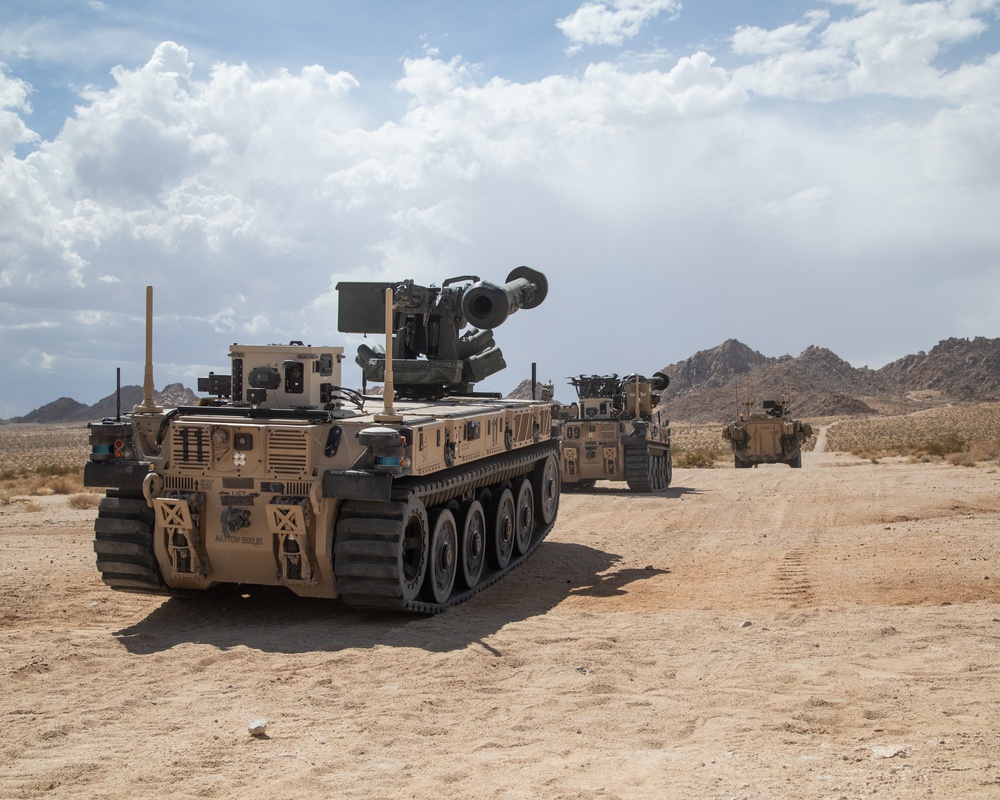
Drone Motherships Explained: Air, Sea, and Ground Launch Platforms Compared
A taxonomy of the drone-mothership concept across air, sea, and ground domains — from robotic combat vehicles and containerized launchers to submarine tenders — and why range-stacking and cost asymmetry are reshaping every branch of warfare.
-
Defense & Combat
What Military Drones Actually Cost, Platform by Platform
A verified cost ladder across drone classes, from $500 FPV strike drones to a $618 million MQ-4C Triton, showing why unit cost, all-up-round cost, and program cost are not the same number.
-
Defense & Combat
How Military Drone Pilots Are Trained: Inside the UAS Pipeline
From Air Force officers flying MQ-9 Reapers to Army 15Ws at Fort Huachuca to squad-level FPV familiarization, a look at how the U.S. military actually trains drone operators, and how South Korea and Ukraine compare.
-
Counter-UAS
Counter-UAS Technology Compared: Kinetic, RF Jamming, High-Power Microwave, Laser, and Net Interceptors
A side-by-side comparison of the five ways drones are actually defeated today — kinetic interceptors, RF/GPS jamming, high-power microwave, directed-energy lasers, and net-capture systems — with range, cost per engagement, tradeoffs, and who's legally allowed to use each under SAFER SKIES.