Tech & Builds
Drone technology from UASFeed — autonomy, swarming, sensors, counter-jamming, FPV builds, and the engineering underneath uncrewed flight.
-
Tech & Builds
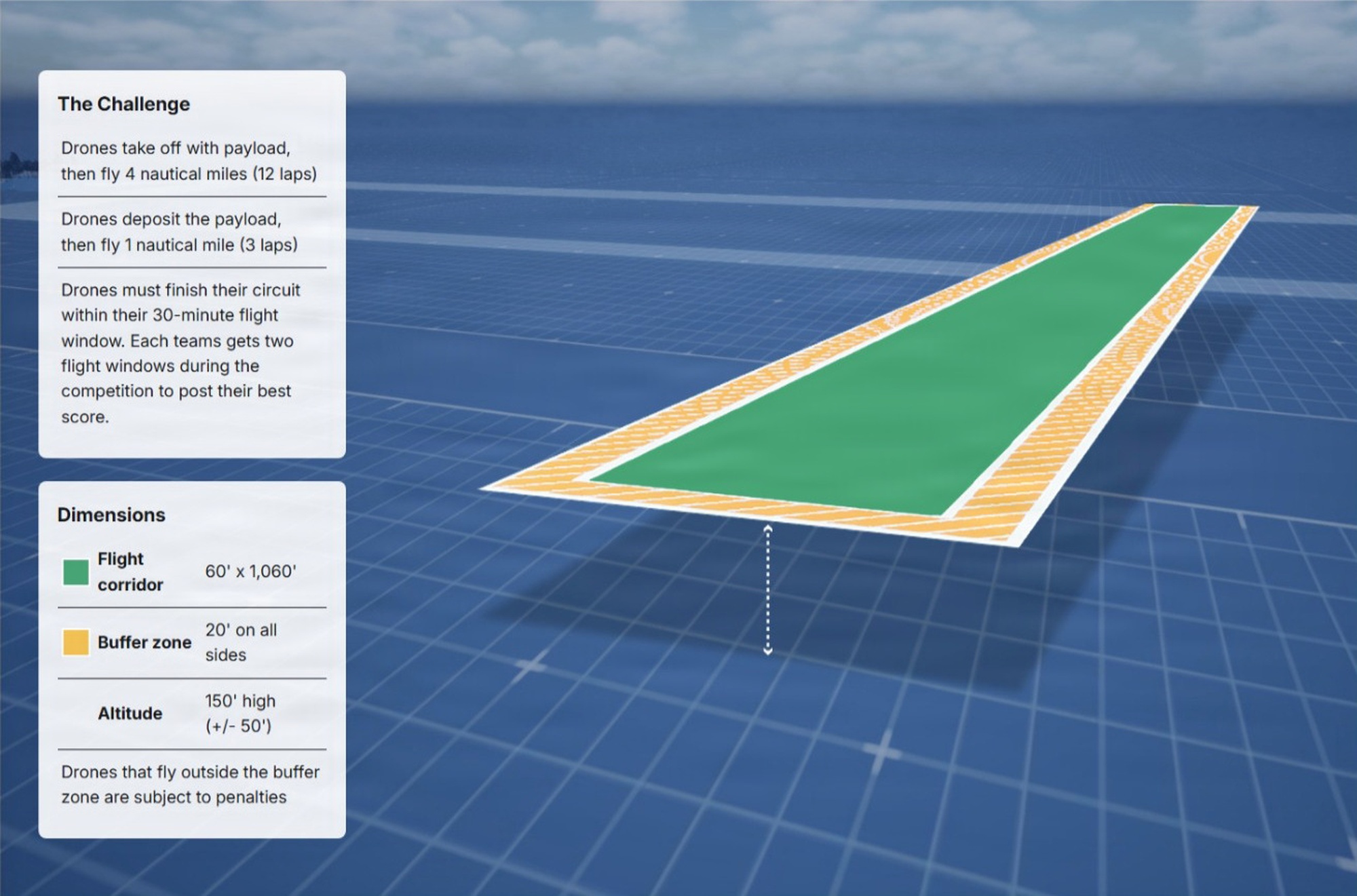
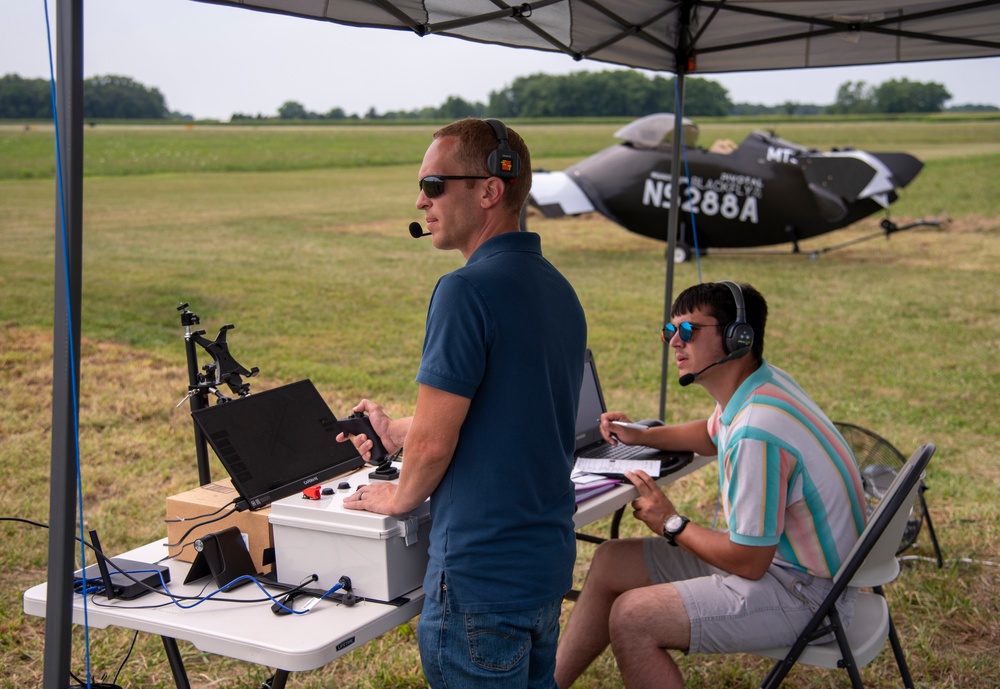
DARPA's $6.5M Lift Challenge Kicks Off in Dayton, Pitting 120+ Teams on Heavy-Lift Drone Design
More than 120 teams descended on Wright-Patterson AFB this week to chase $6.5 million in DARPA prize money for a sub-55-pound drone that can haul four times its own weight.
-
Tech & Builds
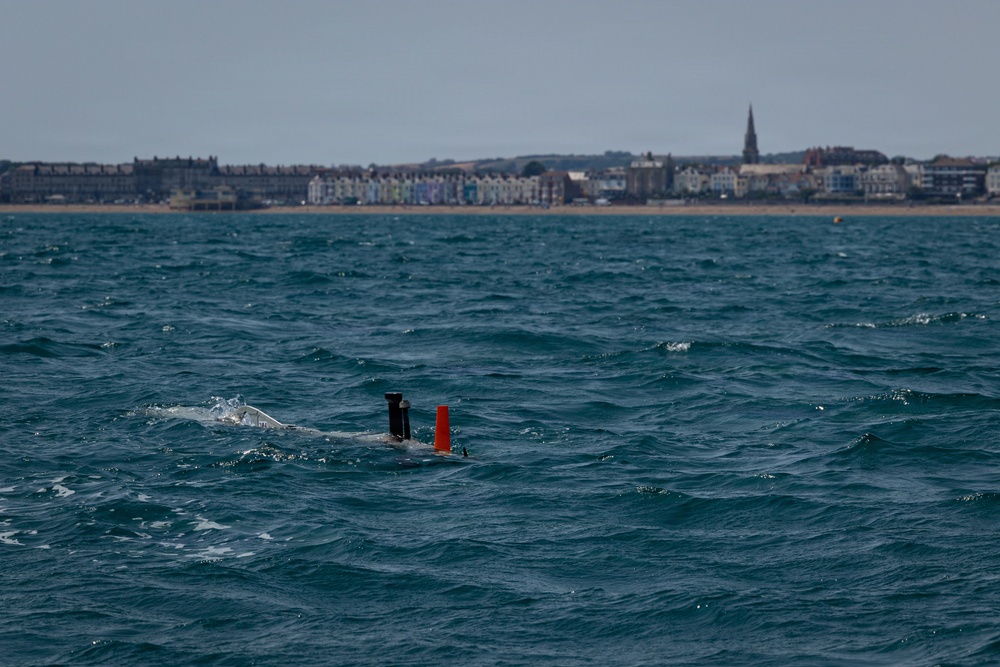
A $240,000 Sea Drone Just Proved It Can Shadow a Billion-Dollar Chinese Warship
Seasats says its 12-foot Lightfish USV tracked a Chinese Type 052D destroyer to within a few hundred meters off Luzon on June 15, a Reuters-verified encounter that puts cheap autonomous sea drones on a collision course with contested Indo-Pacific waters.
-
Tech & Builds
ONR Bets on 'FEED at Speed': An AI-Accelerated Strategy Built to Push Unmanned Prototypes Past the Valley of Death
The Office of Naval Research's new 2026 S&T Strategy, 'FEED at Speed,' leans on AI to compress research timelines and targets the technology-transition 'Valley of Death' — with unmanned systems like the MDUSV Seahawk held up as the model capability.
-
Tech & Builds
Robots Hunting Robots: Anduril and Ultra Maritime Demo Autonomous Counter-UUV Tracking at Navy's Lanternfish 2026
At the U.S. Navy's Lanternfish 2026 exercise, Ultra Maritime's Sea Spear sonar fed Anduril's Seabed Sentry and Lattice software to detect, track and classify enemy UUVs and alert operators with no human in the sensing loop.
-
Tech & Builds
No Satellites, No Pilot, No Map: Inside NATO's SAPIENCE Finale for Autonomous Search-and-Rescue Drones
At Unmanned Valley in the Netherlands, four university teams flew multi-drone systems through an indoor-outdoor disaster zone with satellite positioning switched off — the third and final round of NATO's SAPIENCE competition, won by City St George's, University of London.
-
Tech & Builds
$10 a Kill: The Marine Corps Picks Allen Control Systems' AI-Autonomous 'Bullfrog' Gun Turret
The US Marine Corps has selected Allen Control Systems' Bullfrog M240 — an AI-driven turret that auto-aims a belt-fed machine gun at drones — for its air-defense mission on the L-MADIS vehicle, promising kills as cheap as $10.
-
Tech & Builds
Operation Firecrest: How the Royal Navy Grew a New Heavy-Lift Drone Trick in the High North
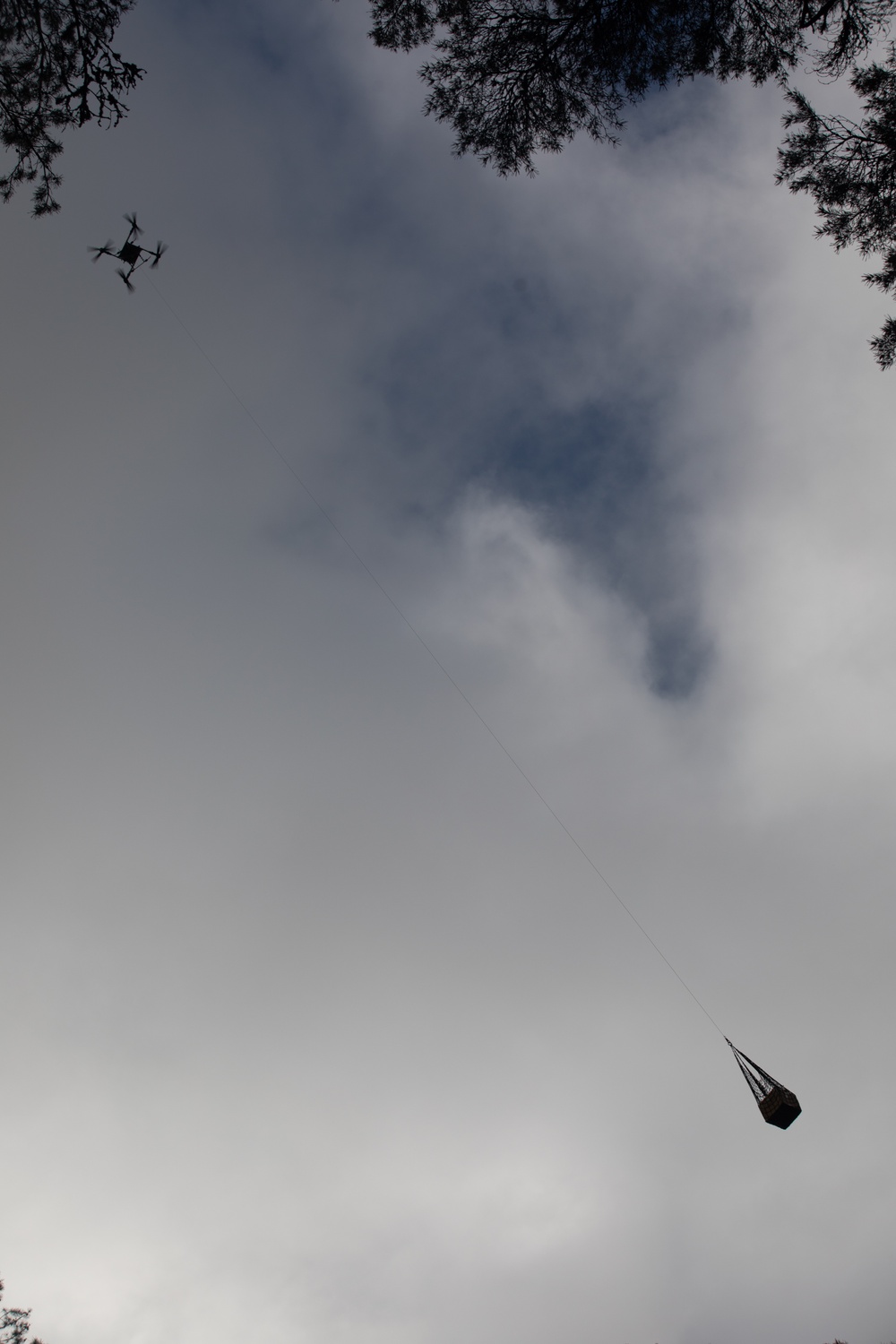
Aboard HMS Prince of Wales during Operation Firecrest, the Royal Navy's 700X Naval Air Squadron gave the Malloy T-150B a 15 m drop-down cable to deliver 60 kg loads ship-to-ship without landing, and flew its first drone-based search-and-rescue role dropping life-rafts.
-
Tech & Builds
Seeing for the Pilot Who Isn't There: Ground-Based Optical Radar Takes Aim at the BVLOS Bottleneck
High Lander and Thirdeye are moving detect-and-avoid off the airframe and onto the ground — a passive optical radar feeding a live national UTM, tested against helicopters approaching out of the sun, and aimed squarely at the non-cooperative-traffic clause holding up Part 108.
-
Tech & Builds
Dassault and Harmattan AI Fly Rafale-Controlled Drone Carrying New Radar-Hunting Payload
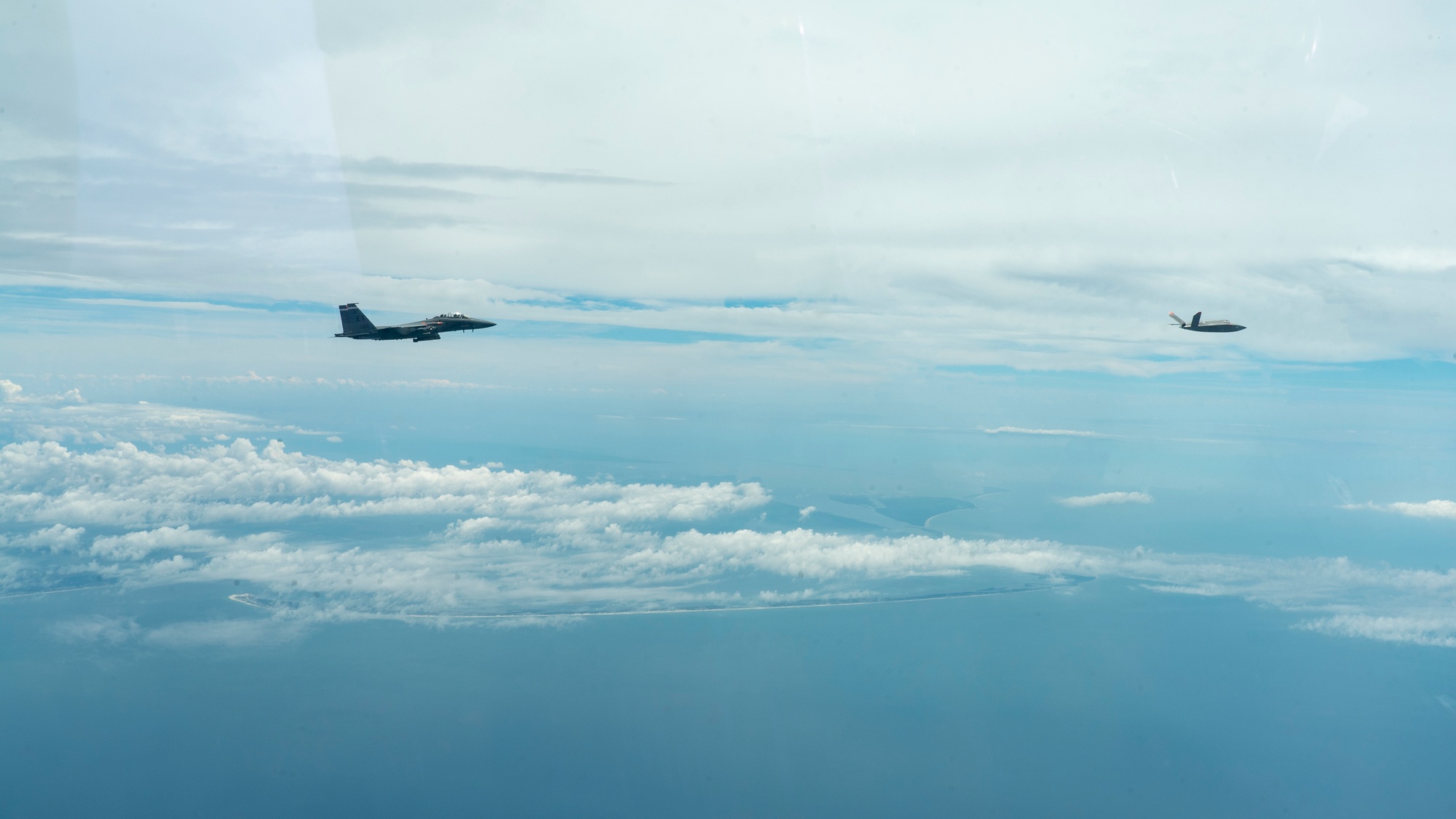
A Rafale F4 controlled a drone carrying Dassault and Harmattan AI's new NAMIB electronic-warfare payload, which geolocated a radar dozens of kilometers away and cued a simulated strike -- an early proof point for human-machine teaming on SEAD missions.
-
Tech & Builds
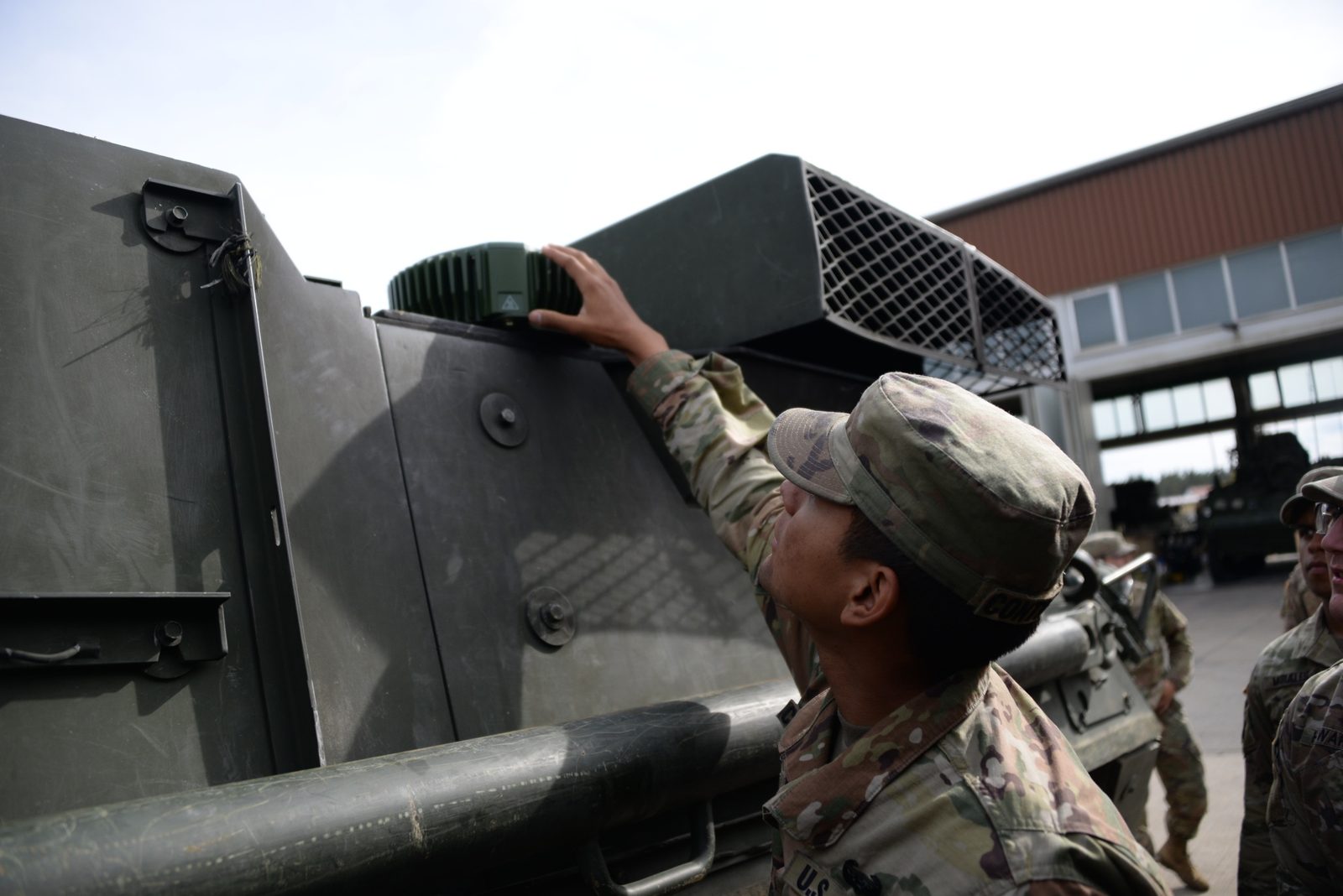
How the Military Is Solving GPS Jamming Now That R-GPS Is Dead
The Space Force killed its Resilient GPS anti-jam satellite program in January 2026. Here's why it died, what M-code, GPS IIIF and CRPA anti-jam antennas are doing instead, and why the timing is brutal given jamming in Ukraine and the Middle East.
-
Tech & Builds
DARPA's Lift Challenge Adds 30+ Teams Ahead of August Vertical-Lift Flyoff in Dayton
DARPA has grown its Lift Challenge to 124 teams from 20+ countries, setting up a $6.5 million heavy vertical-lift flyoff at the National Museum of the U.S. Air Force in Dayton, August 2-9, with public finals August 6-9.
-
Tech & Builds
University of Houston's 'Safety Supervisor' Gives Drones a Provable Invisible Fence Against Crashes
A University of Houston team built a peer-reviewed, hardware-tested control module that continuously watches a quadrotor's tilt and position and auto-corrects it before wind gusts or errors push it past a crash boundary.