Counter-UAS
Counter-UAS news from UASFeed — drone detection, jamming, interceptors, directed energy, and the race to defend bases, airports, and infrastructure from hostile drones.
-
Counter-UAS
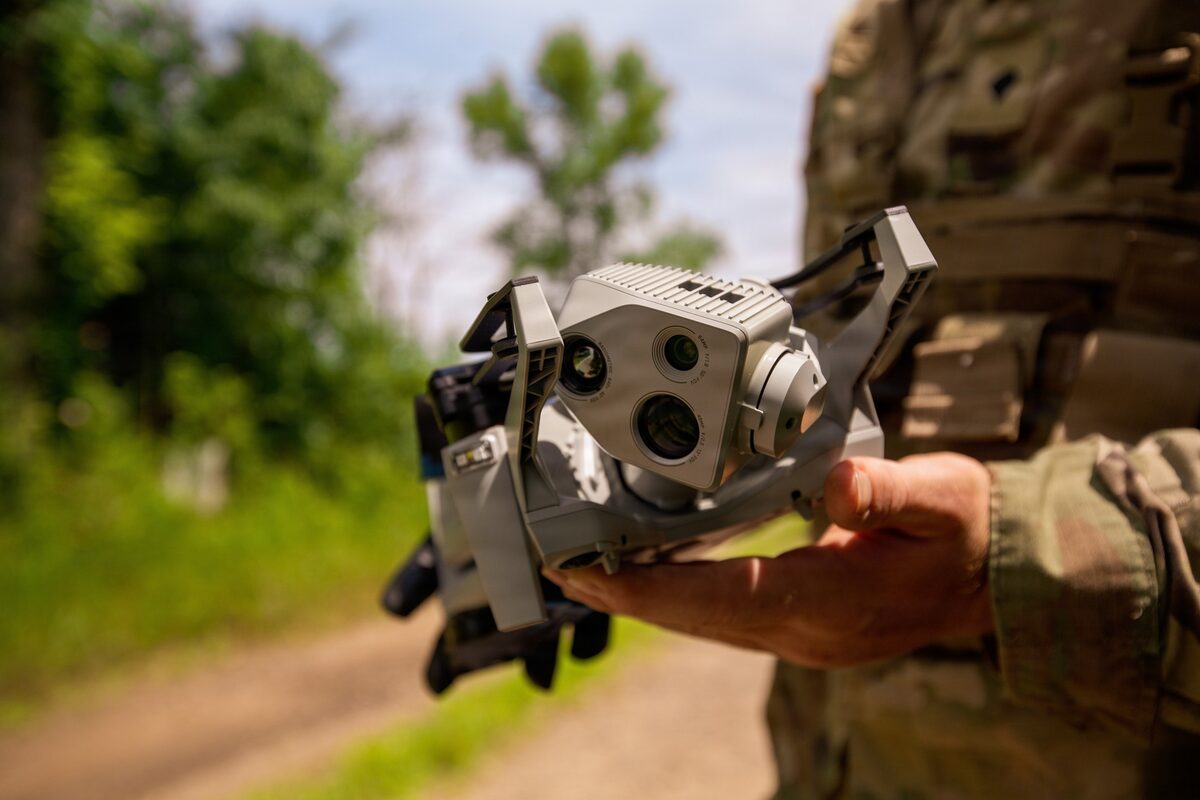
Air Force's $500M 'Domestic Shield' Program Fields ARGUS-XL Counter-Drone Sensor Platform
AeroVironment and Teledyne FLIR Defense unveiled the ARGUS-XL multi-sensor counter-drone platform on July 29, 2026, fusing radar, EO/IR and command-and-control software to protect US installations under the Air Force-led JIATF-401 Domestic Shield program.
-
Counter-UAS
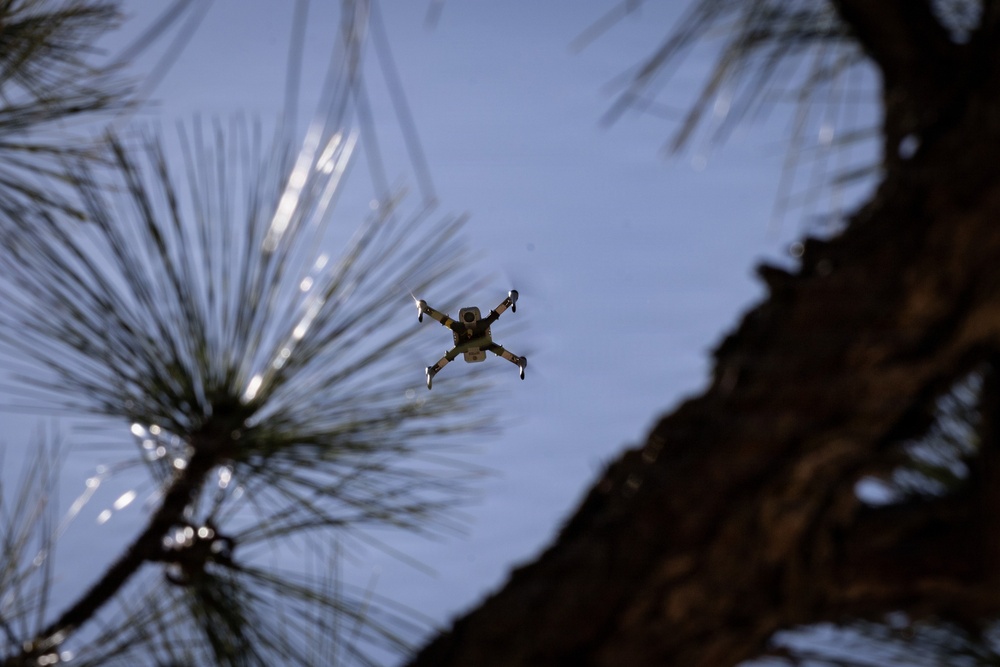
Quantum Cyber Builds Its First Mini-Interceptor Drone at New Bridgeport, Connecticut Plant
Twelve days after closing on a $2.3 million Bridgeport, Connecticut plant, Quantum Cyber says it has already assembled its first mini-interceptor — a 220 km/h counter-UAS drone meant to hunt in swarms.
-
Counter-UAS
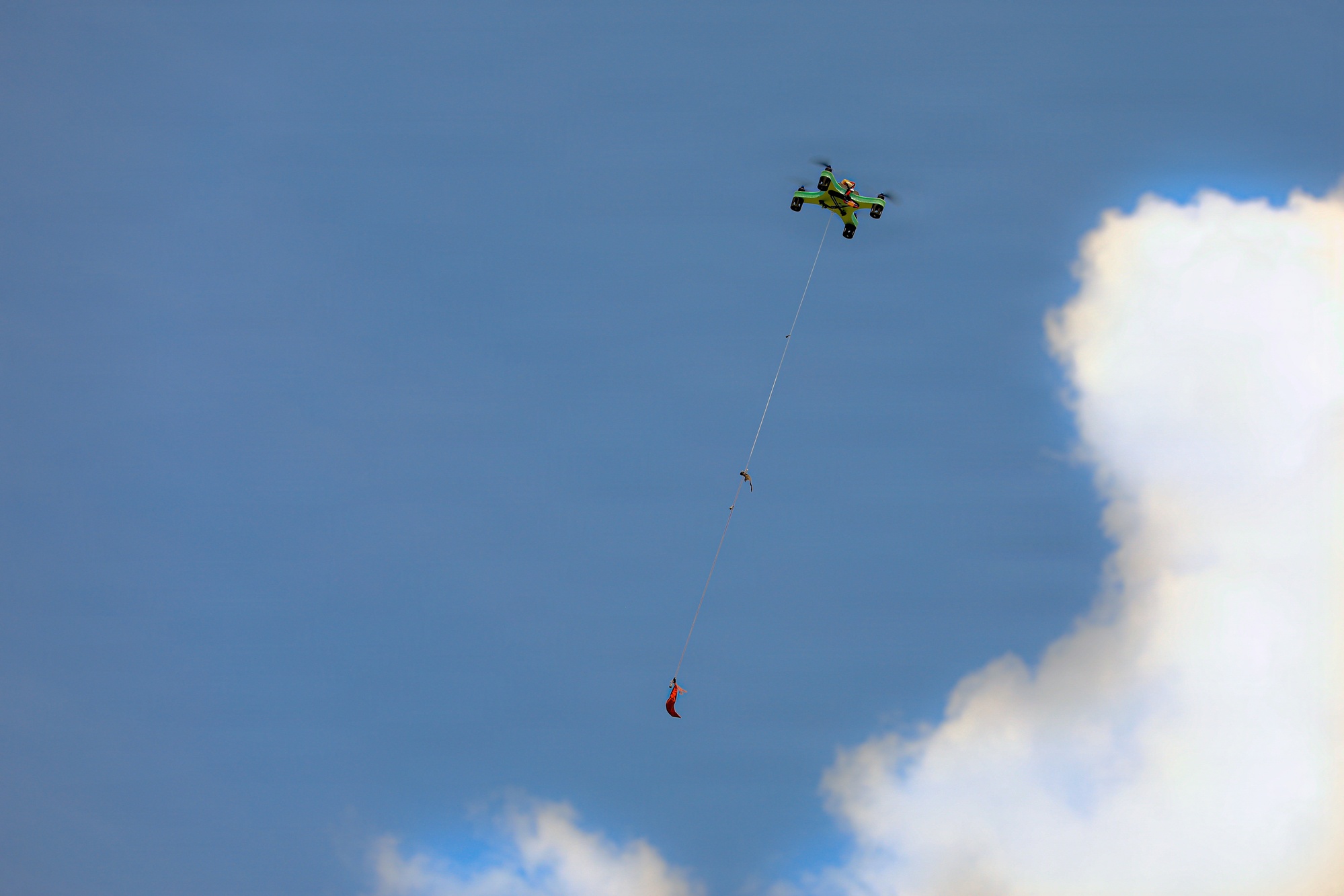
Pentagon's Counter-Drone Task Force Publishes 'Small Drones, Big Problems' Handbook
JIATF 401, the Army-led counter-UAS task force stood up last fall, has released a first-principles handbook aimed at giving the military, agencies, industry and academia a shared vocabulary and layered-defense framework for fighting small drones.
-
Counter-UAS
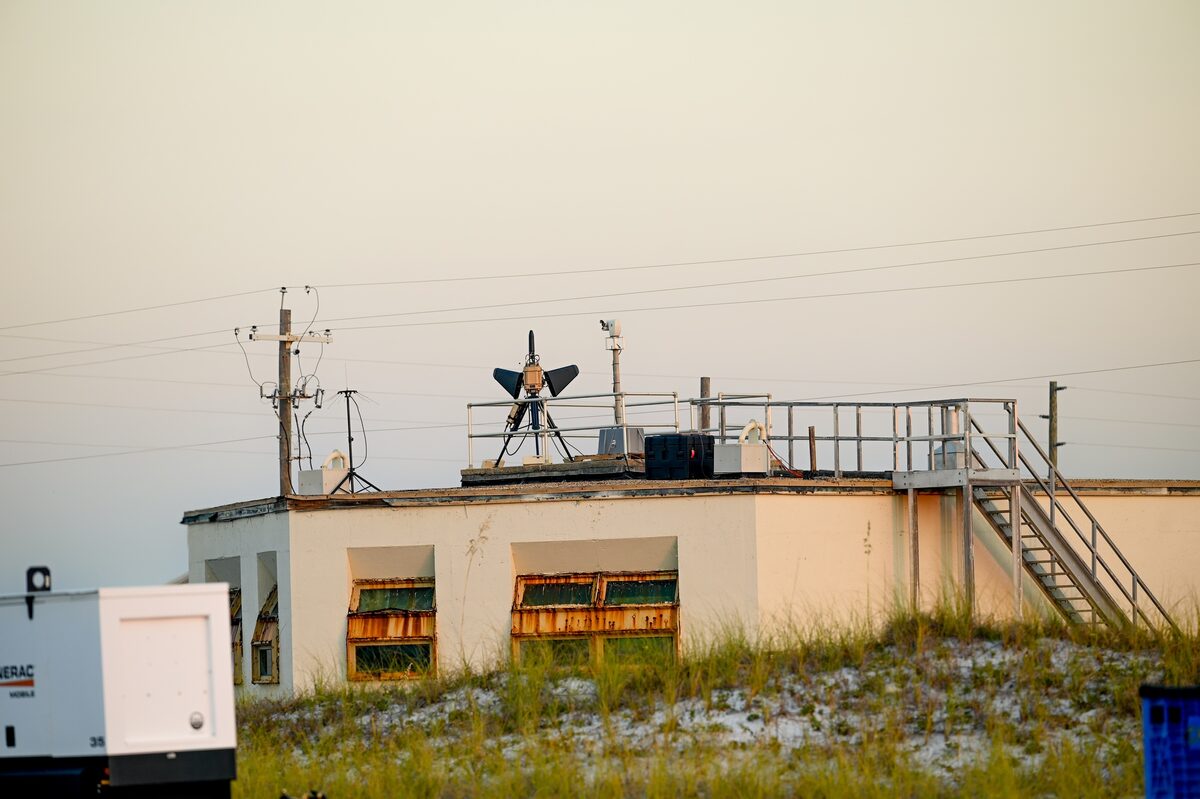
Romania Downs Three Drones in Three Days, Its First Shootdowns Since 2022
Over July 24-26, 2026, Romania destroyed three drones that breached its airspace on consecutive days - its first successful intercepts since Russia's 2022 invasion, enabled by a 2025 law authorizing engagement of trespassing UAS.
-
Counter-UAS
MARSS, Now Inside EOS, Says Its Interceptor MR Has Been Downing Shaheds in the Middle East
At Farnborough, MARSS — acquired by Australia's Electro Optic Systems in June — said its NiDAR C2 software and Interceptor MR effector have engaged 'mostly Shahed' Iranian attack drones in the Middle East, capping a rapid EOS counter-drone build-out.
-
Counter-UAS
The Air Force Starts Building Its Own Base Defense: A Launcher RFI, and 20-Airman Point Defense Flights
A Wright-Patterson RFI for a transportable launcher that kills cruise missiles and Group 1-5 drones lands the same week the Air Force details new 20-Airman Point Defense Flights trained at Fort Sill — backed by $51.8M in FY26 SUADS buys and a $1.4B FY27 ABADS request.
-
Counter-UAS
Lasers on the Flight Line: USAFE-AFAFRICA Fields the Compact Laser Weapon System Across Europe and Africa
US Air Forces in Europe – Air Forces Africa says it has assessed and deployed the Compact Laser Weapon System to undisclosed bases across two continents, and tested a ground-launched APKWS interceptor good to six kilometers — the first public confirmation that directed energy is emplaced at USAFE installations.
-
Counter-UAS
Project Solar Shield: Kratos Wins $156M Sole-Source Deal to Put Counter-Drone Gear on America's Nuclear Weapons Convoys
The NNSA office that moves US nuclear weapons by road just handed Kratos a $156M sole-source IDIQ for mobile counter-drone systems — pushing domestic C-UAS off the fixed perimeter and onto a convoy doing highway speed, where jamming and kinetic response both hit hard limits.
-
Counter-UAS
X-Bow's 'Buckler': A Sub-$100,000 Supersonic Interceptor Built to Break the Counter-Drone Cost Curve
X-Bow Systems debuted Buckler at Farnborough 2026 — a supersonic, sub-$100,000 surface-to-air interceptor for Group 3 drones, built airframe-and-motor in-house to attack the economics of trading million-dollar missiles against $35,000 Shaheds.
-
Counter-UAS
Lockheed's MORFIUS X-Rotor Bets That the Cheapest Way to Kill a Swarm Is a Drone You Fly Home Afterwards
At Farnborough on 20 July 2026, Lockheed Martin unveiled MORFIUS X-Rotor, an airborne high-power-microwave interceptor it claims can neutralise 50-plus drones per flight and then be recovered and reused — a direct answer to the cost-exchange problem Congress has hammered DoD over for three years.
-
Counter-UAS
Railgun Logic for the Drone Age: The Army Is Testing Whether Electricity Can Undercut the $1M Interceptor
Auriga Space and Army DEVCOM AC signed a three-year CRADA to study electromagnetic launch as a cheap, high-cadence counter-drone effector — but a CRADA is a data-sharing deal, explicitly not a contract award, procurement decision, or Army endorsement.
-
Counter-UAS
Japan's Terra Drone Teams With UAE Defense Prime EDGE Group to Build Cheap Drone Interceptors
Terra Drone's Terra Inspectioneering signed a July 7 MoU with EDGE Group subsidiary IGG to push the Terra A1 interceptor as a low-cost counter to Shahed-type attack drones, betting on months-long design cycles over traditional missile-based defenses.