FBI
Every UASFeed story on FBI — across defense, counter-UAS, industry, commercial, policy, and tech, newest first.
-
Counter-UAS
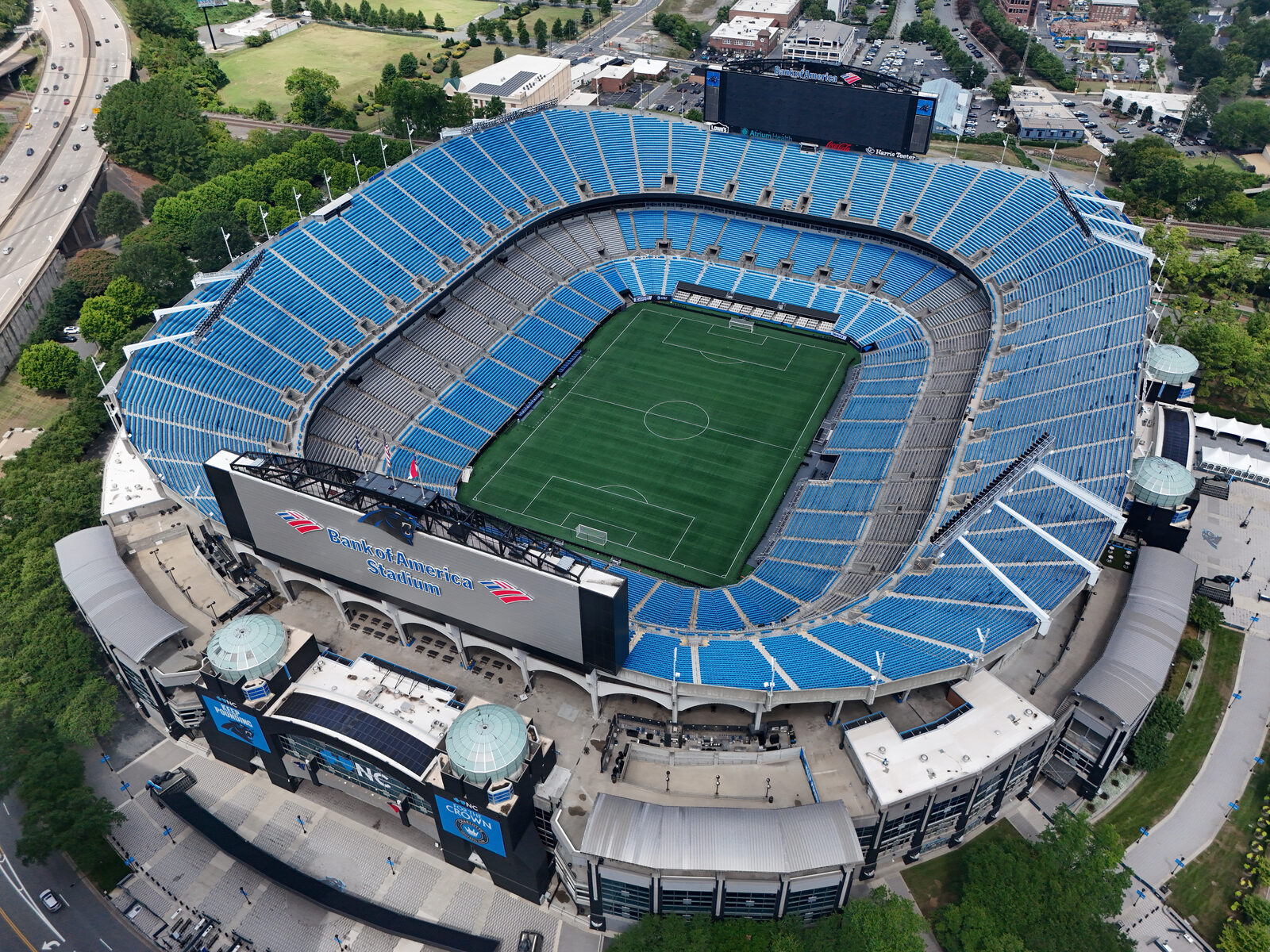
Counter-UAS for Stadiums and Mass Events: How the U.S. Closes the Airspace Gap
Federal no-fly zones have covered NFL stadiums for years, but local police could only watch unauthorized drones — not stop them. Here's how the legal authority gap developed, how the World Cup became a live test for the workaround, and what still isn't solved.
-
Counter-UAS
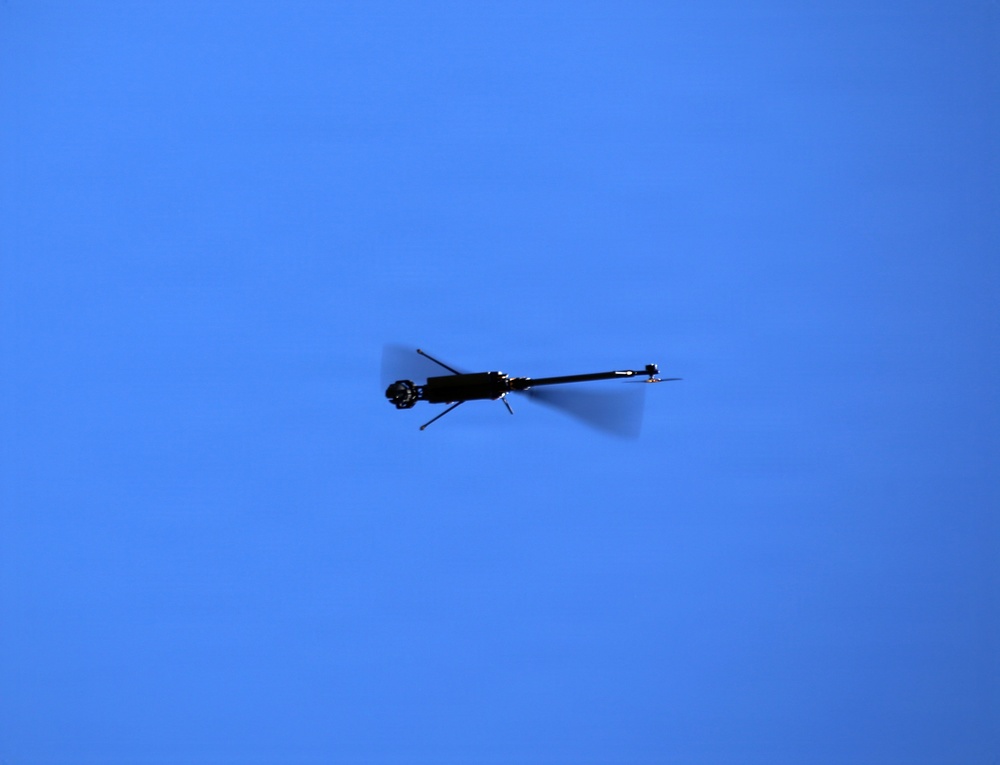
Soft Targets in the Air Age: The Drone Threat to U.S. Critical Infrastructure
From a copper-wire-rigged DJI Mavic to a C-4-loaded platform aimed at a Nashville substation, drone attacks on U.S. critical infrastructure have moved from theoretical to documented — yet 93% of nuclear sites, 90% of oil refineries, and most major airports remain without active counter-UAS protection.
-
Counter-UAS
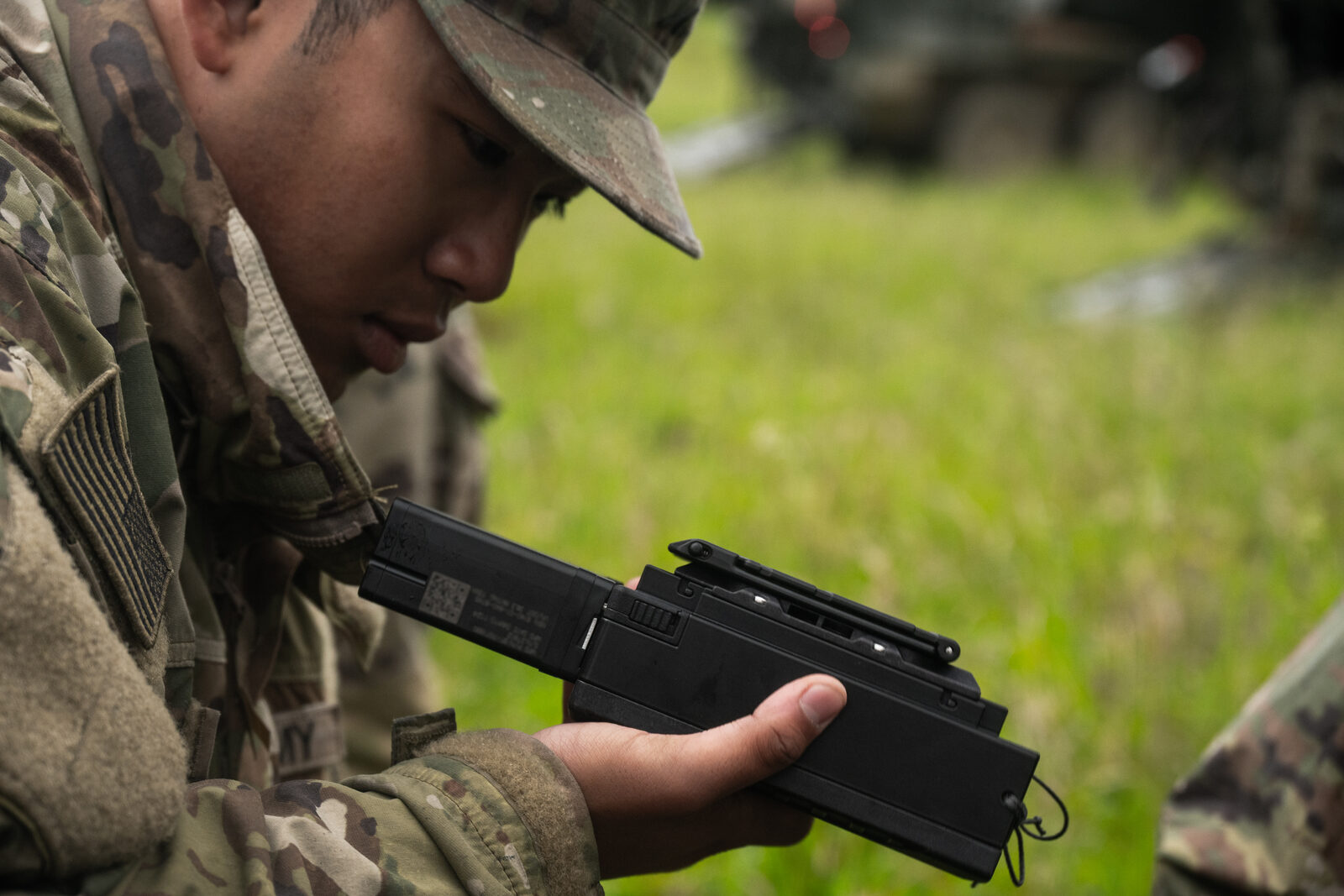
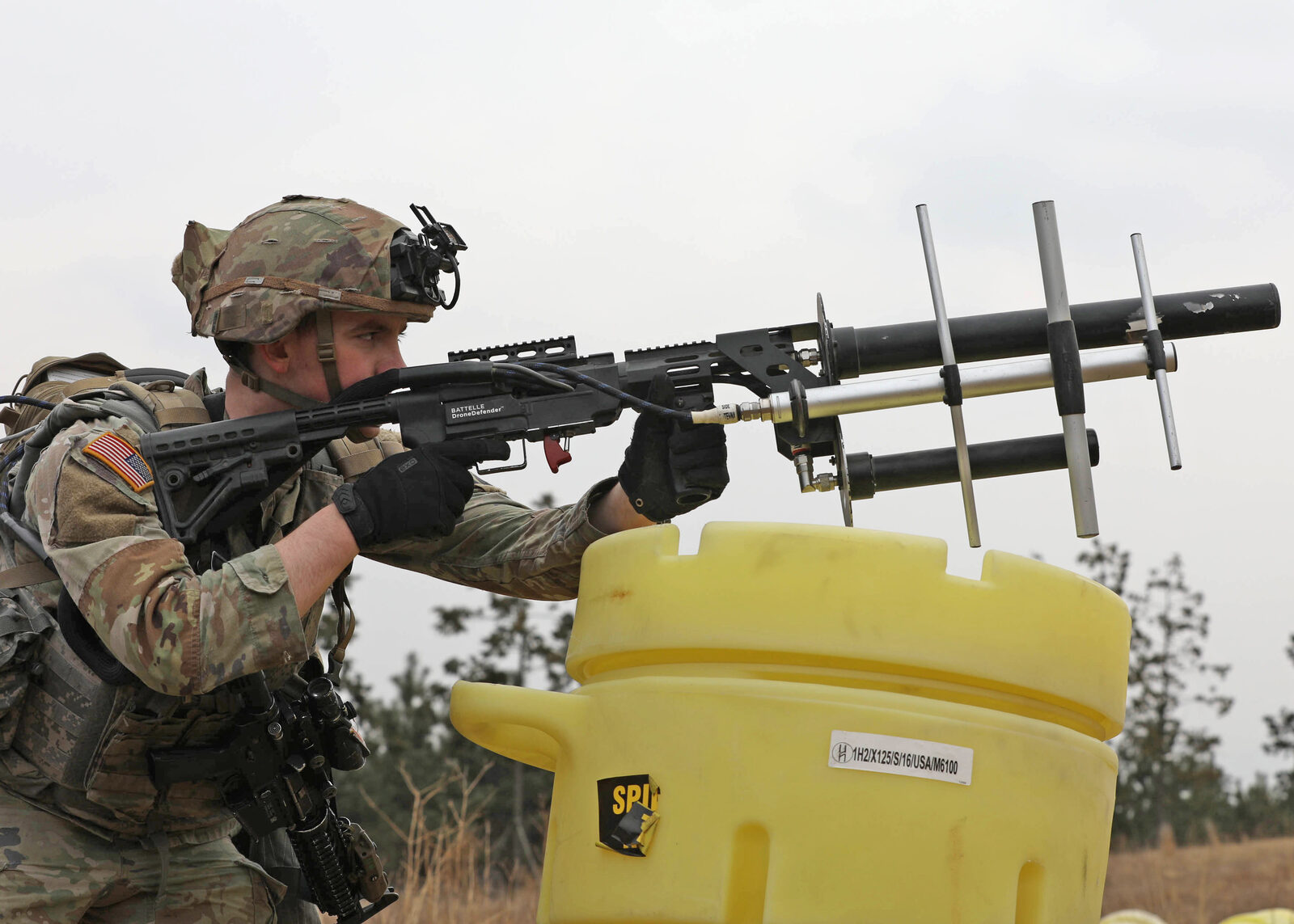
DroneGun-Class Jammers: How Handheld RF Disruptors Work — and Who Can Legally Use Them
Handheld RF jammers like DroneShield's DroneGun Mk4 can force a drone into a controlled landing — a capability Ukraine has deployed by the thousands against Russian FPV attacks. In the United States, federal statute locks this technology behind a short list of federal agencies.
-
Policy & Regulation
Coast Guard's First Multi-City Counter-UAS Deployment Guards the 2026 FIFA World Cup
The U.S. Coast Guard is running its first-ever simultaneous multi-city domestic counter-drone operation, covering 13 World Cup matches across Boston and San Francisco plus Sail 250 celebrations in four cities, backed by $150 million in C-UAS investment and 140 trained personnel.
-
Tech & Builds
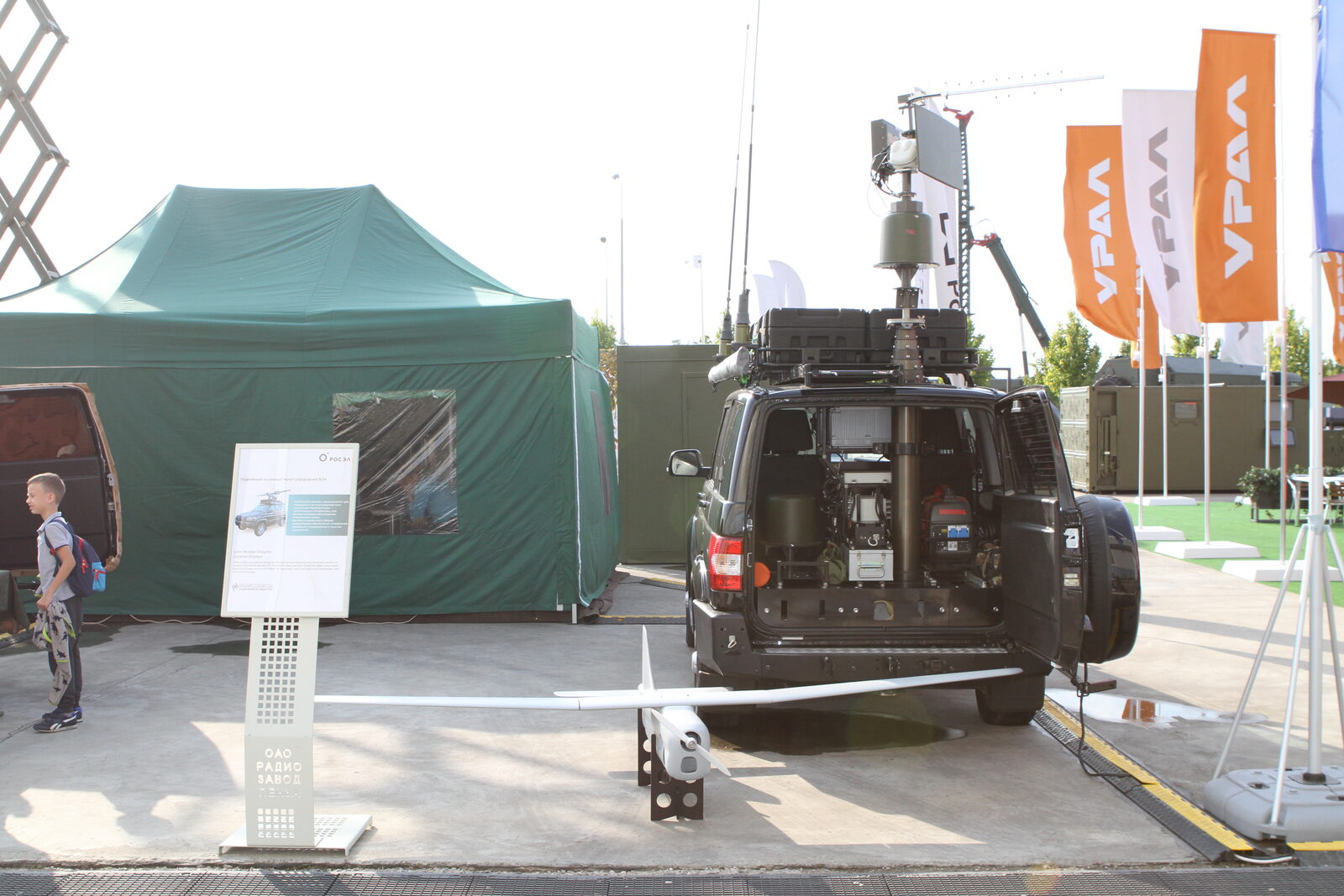
The Full Attack Surface: How UAS Systems Get Compromised
From command-link hijacking to GPS spoofing and supply-chain malware, every layer of a drone system is a potential entry point. Here is how the attack surface breaks down—and what serious operators are doing about it.
-
Policy & Regulation
Who Can Legally Shoot Down a Drone in the US — and Why the Answer Is Complicated
Federal aircraft law, the Aircraft Sabotage Act, and overlapping wiretapping statutes mean that almost nobody — not state police, not sheriffs, not private citizens — had clear legal authority to neutralize a rogue drone until Congress began carving out narrow exceptions.