Department of Homeland Security
Every UASFeed story on Department of Homeland Security — across defense, counter-UAS, industry, commercial, policy, and tech, newest first.
-
Counter-UAS
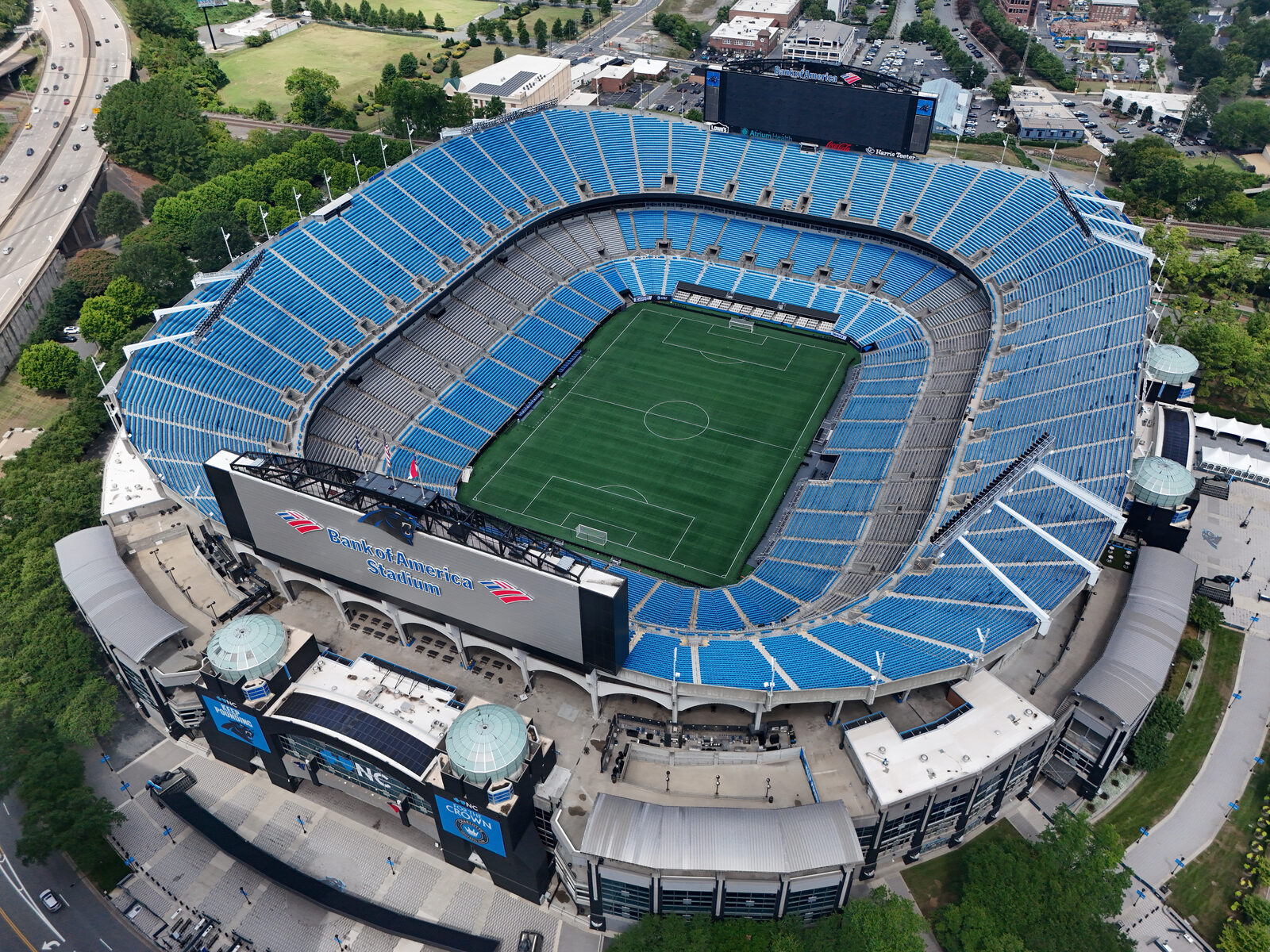
Counter-UAS for Stadiums and Mass Events: How the U.S. Closes the Airspace Gap
Federal no-fly zones have covered NFL stadiums for years, but local police could only watch unauthorized drones — not stop them. Here's how the legal authority gap developed, how the World Cup became a live test for the workaround, and what still isn't solved.
-
Counter-UAS
Soft Targets in the Air Age: The Drone Threat to U.S. Critical Infrastructure
From a copper-wire-rigged DJI Mavic to a C-4-loaded platform aimed at a Nashville substation, drone attacks on U.S. critical infrastructure have moved from theoretical to documented — yet 93% of nuclear sites, 90% of oil refineries, and most major airports remain without active counter-UAS protection.
-
Counter-UAS
DroneDNA and Sensor Fusion: Inside Dedrone’s Airspace Security Platform
Dedrone, now a division of Axon after a 2024 acquisition, has spent a decade building passive RF detection infrastructure deployed at military bases, airports, stadiums, and prisons across six G7 governments. Understanding where detection ends and the legal wall against mitigation begins is essential context for the C-UAS market.
-
Counter-UAS
DroneGun-Class Jammers: How Handheld RF Disruptors Work — and Who Can Legally Use Them
Handheld RF jammers like DroneShield's DroneGun Mk4 can force a drone into a controlled landing — a capability Ukraine has deployed by the thousands against Russian FPV attacks. In the United States, federal statute locks this technology behind a short list of federal agencies.
-
Counter-UAS
Geofencing and No-Fly Zones Explained: How Drone Airspace Controls Actually Work
On January 13, 2025, DJI stopped blocking its drones from flying into restricted airspace—ending a decade of hard firmware locks. Here is what replaced them: the FAA airspace stack, Remote ID enforcement, and where every layer of the system breaks down.
-
Counter-UAS
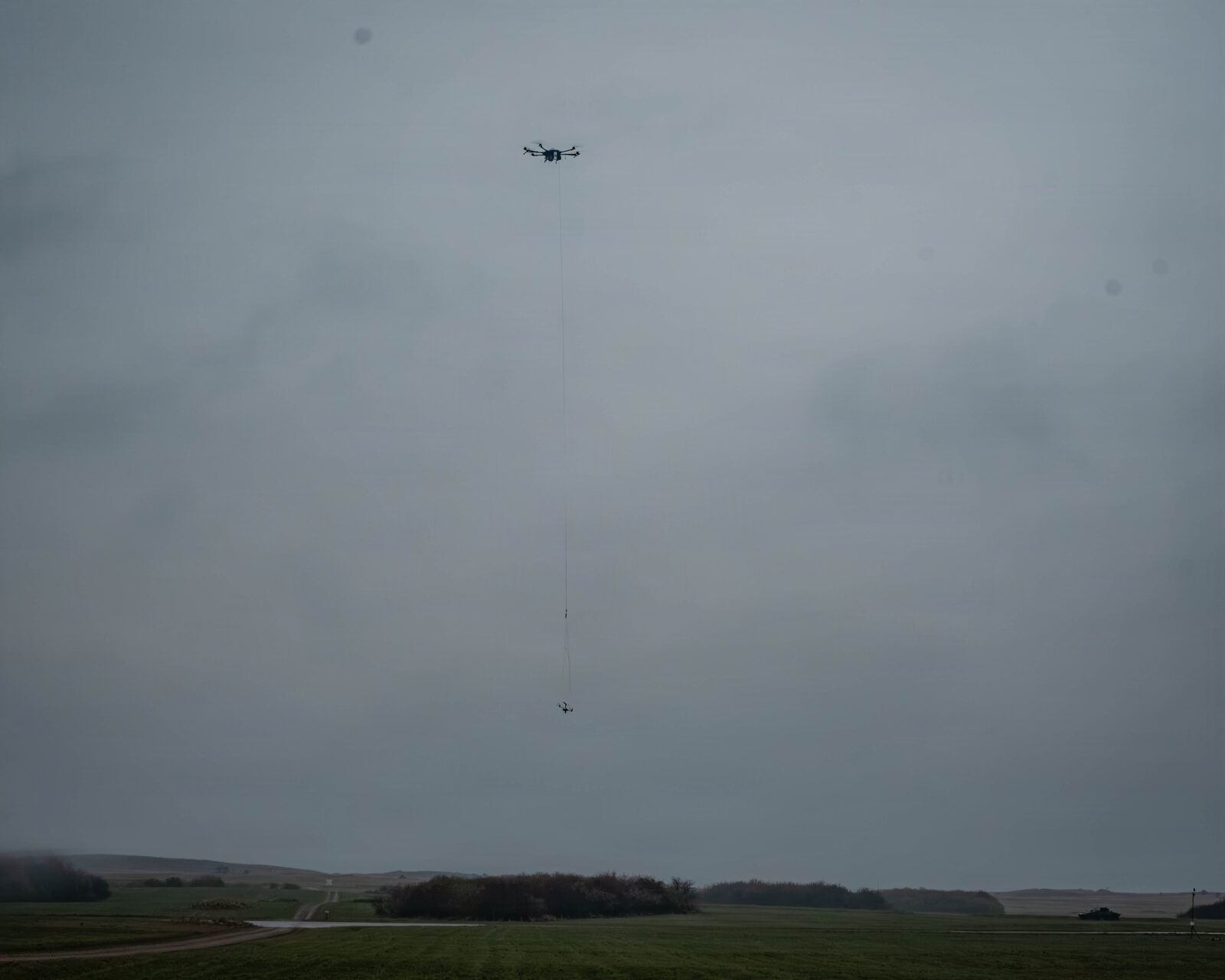
Net Capture Systems: The Case for Catching Drones Instead of Destroying Them
Kinetic destruction and RF jamming both carry unacceptable collateral risks in civilian airspace. A new generation of net-capture systems — compressed-air launchers and autonomous interceptor hexacopters — offers a low-debris, forensics-preserving alternative built for populated environments.
-
Counter-UAS
How Drone Detection Actually Works: Radar, RF, EO/IR, and the Fusion Stack
No single sensor can catch every drone. Here is how radar, RF analyzers, electro-optical/infrared cameras, and acoustic arrays each cover different gaps — and why military and federal planners are betting on layered fusion architectures to close them.