U.S. Air Force
Every UASFeed story on U.S. Air Force — across defense, counter-UAS, industry, commercial, policy, and tech, newest first.
-
Defense & Combat
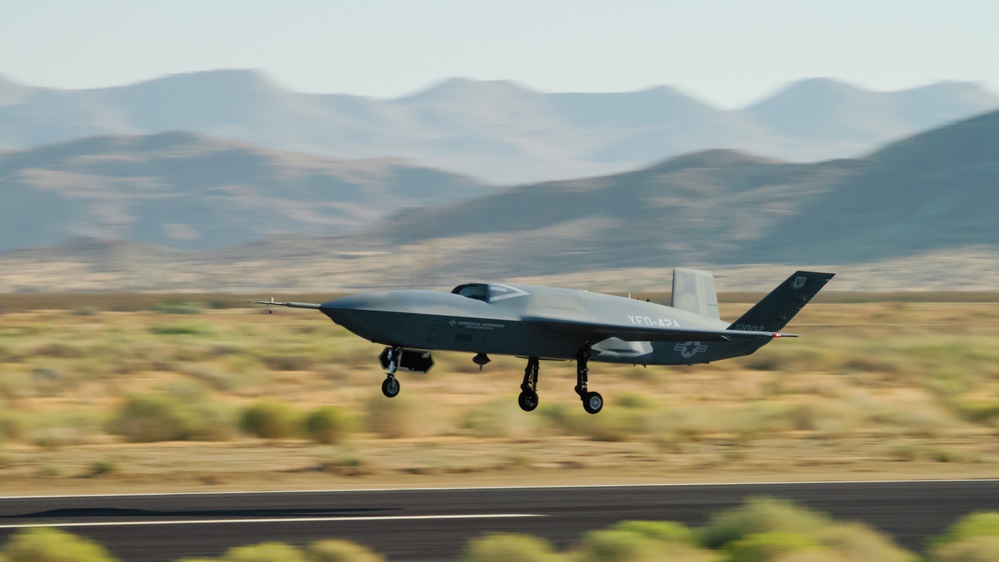
Air Force Awards CCA Production Contracts to Anduril and General Atomics Early
The U.S. Air Force selected General Atomics and Anduril Industries on June 17 to produce the first operational Collaborative Combat Aircraft — the FQ-42A and FQ-44A — targeting more than 150 combat-capable drones by decade's end under a unit cost ceiling near one-third of an F-35A.
-
Tech & Builds
Dead Zone Autonomy: How Edge AI Keeps Drones Flying When GPS and Comms Disappear
Russian electronic warfare can blank GPS within 5 kilometers of deployment. Shield AI’s president says 99% of military autonomous systems fail under jamming. The solution — running perception, navigation, and targeting entirely on the drone — is now combat-proven.
-
Defense & Combat
Phoenix Ghost: The Air Force's Classified Loitering Munition Family Built for Ukraine
AEVEX Aerospace's Phoenix Ghost — developed under a classified U.S. Air Force program before Russia's 2022 invasion — grew from a 121-drone Ukraine announcement into a $576 million, 5,000-unit program encompassing four named variants across two UAS groups. Here's what's confirmed, and what remains classified.
-
Industry & Contracts
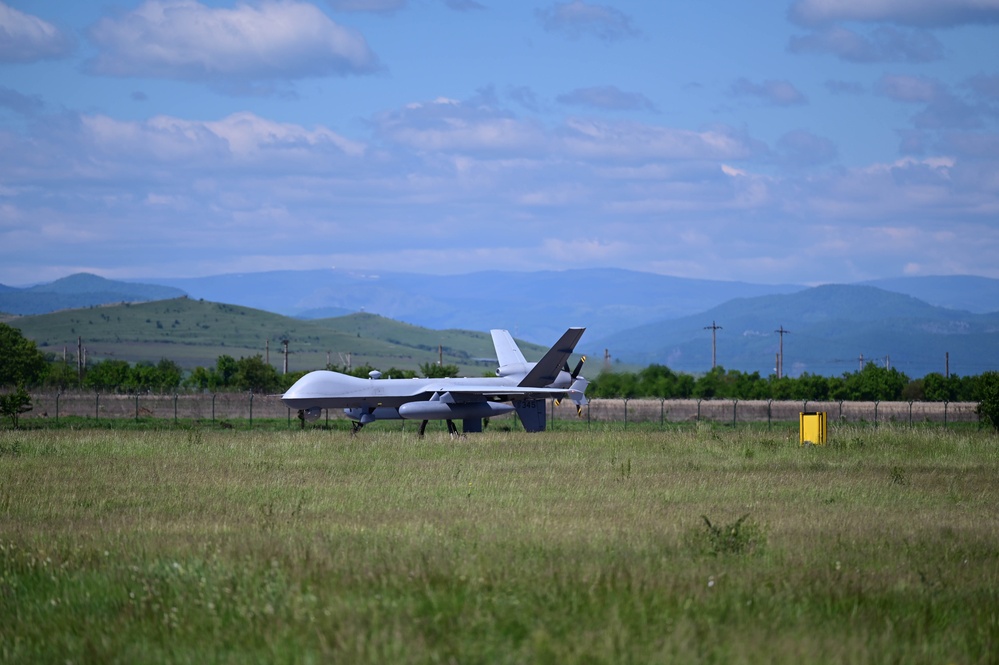
General Atomics Aeronautical Systems: The Company That Built the Armed Drone Era
General Atomics Aeronautical Systems is the private, family-controlled company that built the Predator, Reaper, and Gray Eagle — and is now in production on the FQ-42A, one of the first uncrewed aircraft to carry a fighter designation in U.S. military history.
-
Tech & Builds
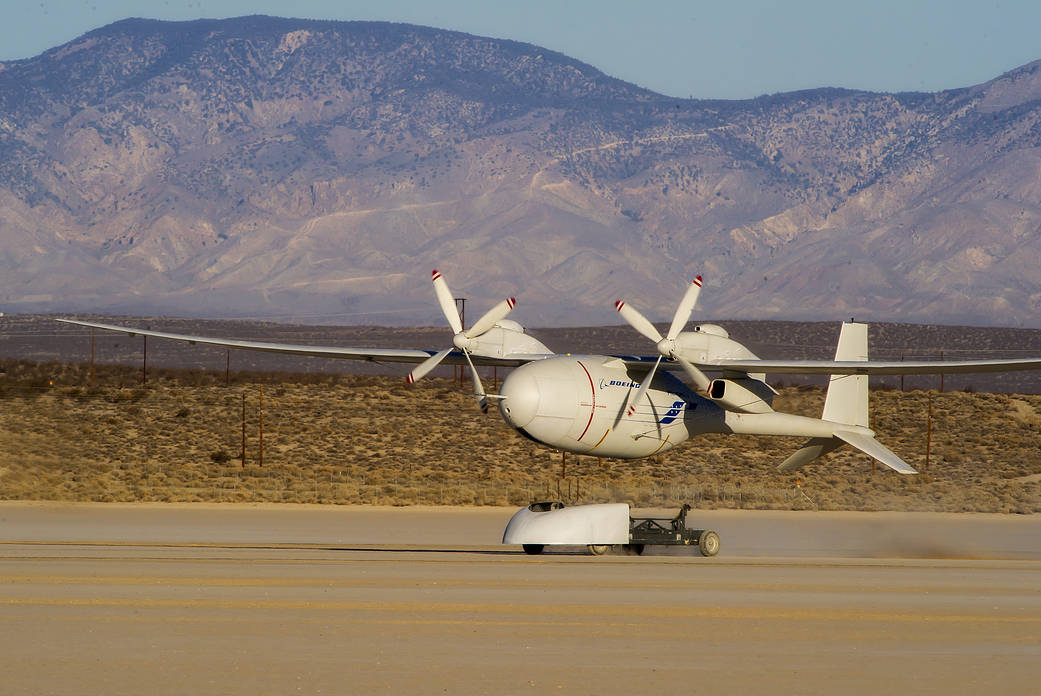
Beyond the 30-Minute Wall: How Hydrogen and Hybrid Power Are Reshaping Drone Endurance
Lithium batteries cap most drones at 30–45 minutes. Hydrogen fuel cells and gas-electric hybrids are dismantling that ceiling — with certified hardware entering commercial and military catalogs, though storage infrastructure remains the stubborn bottleneck.
-
Counter-UAS
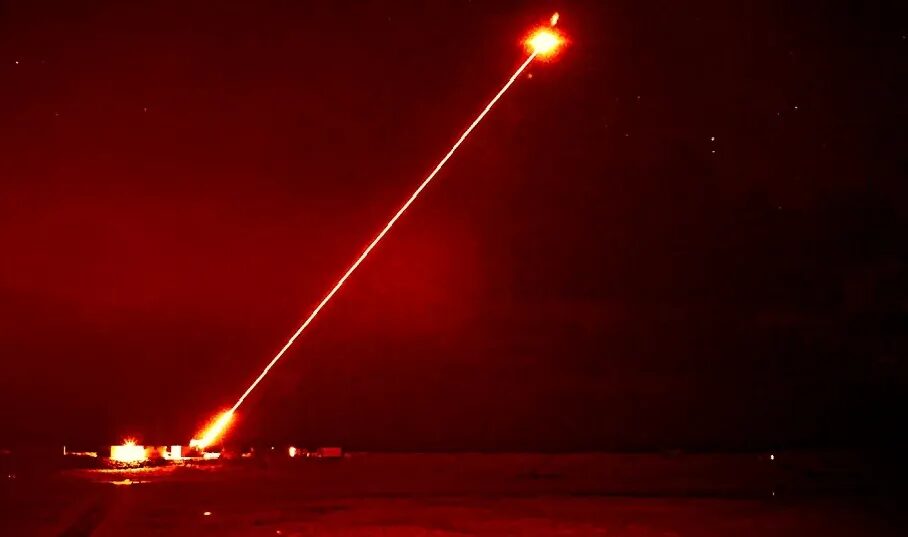
Shotgun vs. Sniper Rifle: How HPM and Laser C-UAS Weapons Actually Work
Two directed-energy technologies are competing to replace the $2-million missile shot against $500 drones — high-power microwave systems that blanket swarms in a single burst, and high-energy lasers that burn targets one at a time. The physics of each determines where they win and where they fail.
-
Defense & Combat
From Wild Weasels to Loitering Munitions: How SEAD and DEAD Actually Work
Six decades of air-defense suppression trace how SEAD — the threat that forces radars off the air — and DEAD — the physical kill — evolved from Wild Weasel jets and anti-radiation missiles to autonomous loitering munitions that can outwait a radar gone silent.